In Eastern Europe, TikTok is transforming from an entertainment service into a powerful channel of political influence. This became clearly evident during the presidential elections in Romania, where the social network played a key role in the campaign of pro-Russian candidate Călin Georgescu. This is discussed in an article by RBC-Ukraine (Styler), prepared with reference …
In Eastern Europe, TikTok is transforming from an entertainment service into a powerful channel of political influence. This became clearly evident during the presidential elections in Romania, where the social network played a key role in the campaign of pro-Russian candidate Călin Georgescu.
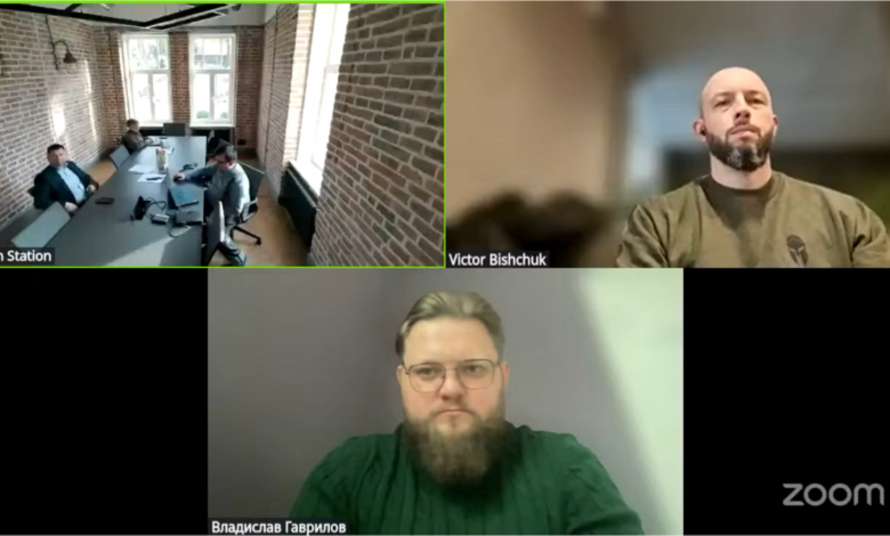
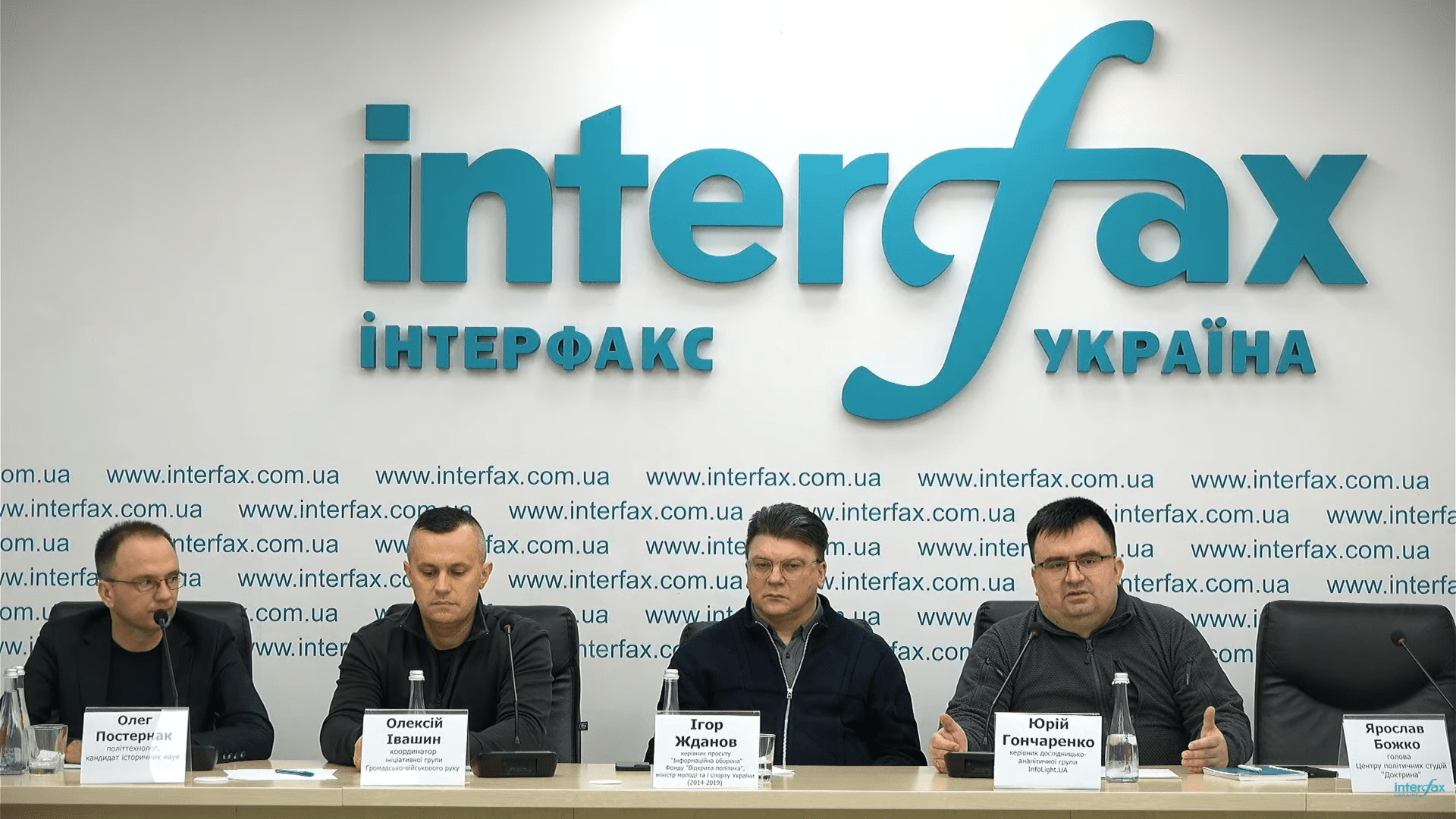
This is discussed in an article by RBC-Ukraine (Styler), prepared with reference to data from the fake news and propaganda fighting portal InfoLight.UA.
How TikTok Became an Election Factor
On November 24, 2024, Romania was shaken by unexpected first-round results: Georgescu, who had only about 5% support a week earlier, suddenly emerged as the leader with nearly 23%. Analysts attribute this surge to aggressive use of TikTok, where the candidate promoted messages about lowering prices, criticizing aid to Ukraine, and questioning the value of NATO support.
His rhetoric resonated with widespread discontent over inflation and economic hardships. Pro-Russian media picked up his messages, providing him with additional electoral momentum.
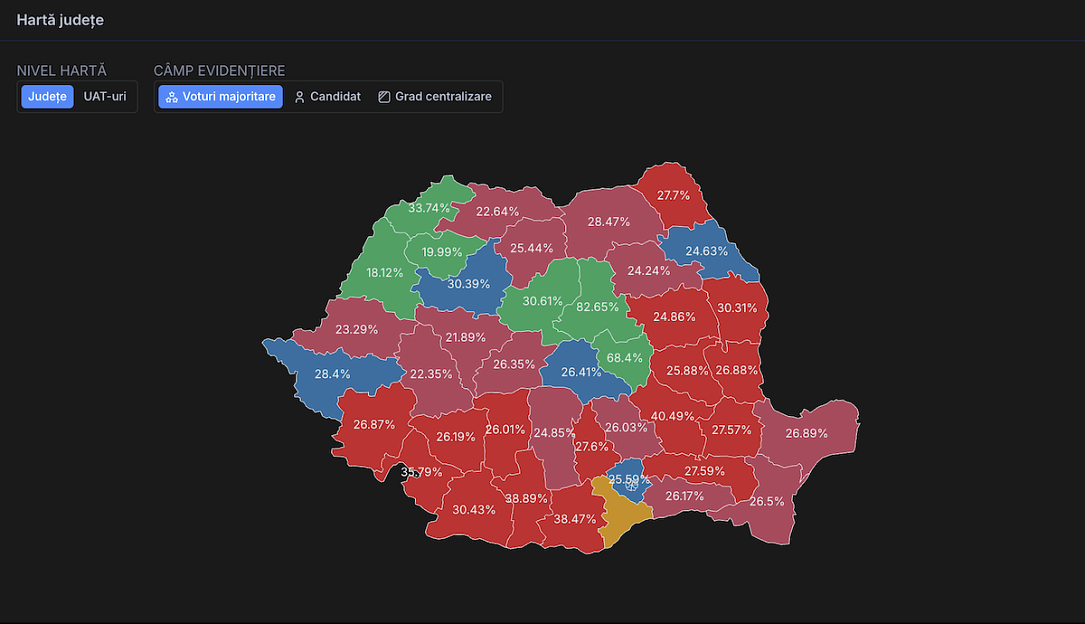
Photo: Romania Insider
Controversial Views and Political Background
Despite his success, Georgescu has long been known for his radical statements—from criticizing NATO and denying Russian aggression to attempting to rehabilitate questionable historical figures. He was once a member of the far-right AUR but left the party due to conflicts.
As Romanian experts note, his success reflects a deep crisis of trust in traditional political forces.
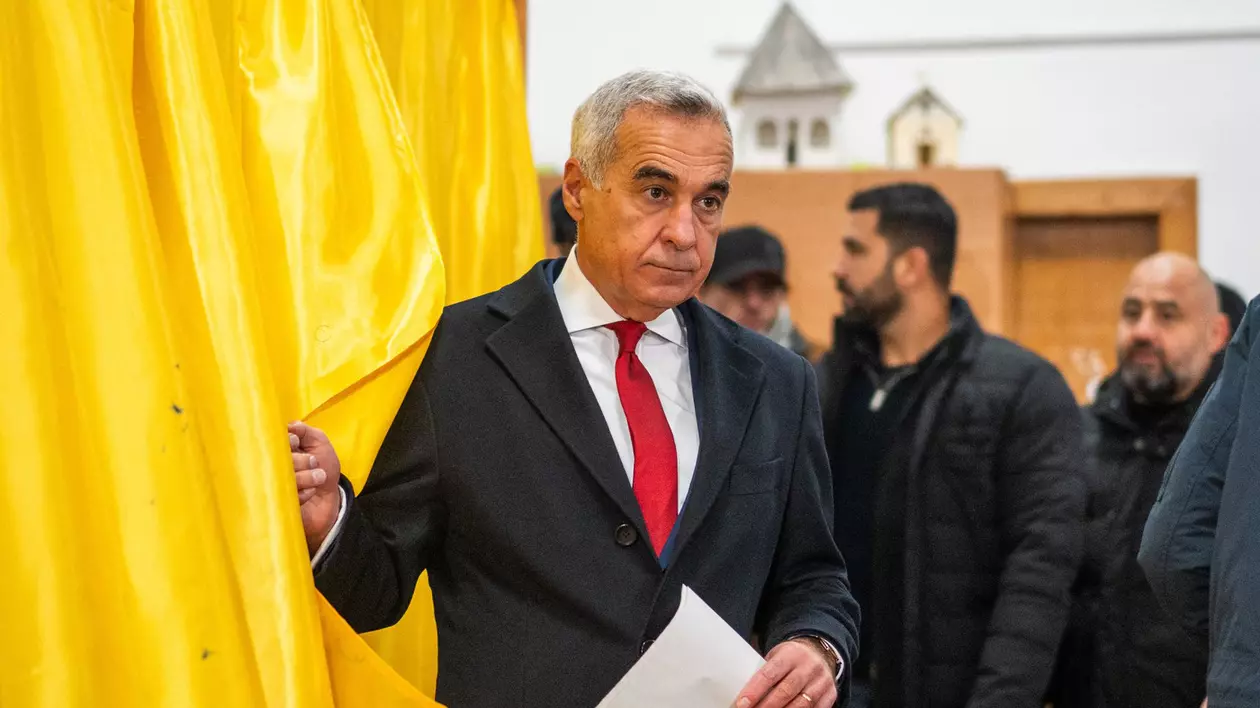
Călin Georgescu (Photo: Libertatea)
Investigation and Suspicions of Manipulation
The candidate’s sharp rise in popularity prompted a response from state institutions: the Constitutional Court initiated a vote recount, and the National Audiovisual Council appealed to the European Commission regarding possible TikTok violations.
Suspicions concern the use of bots, fake accounts, and potential violations of EU digital services rules, despite the ban on political advertising. The candidate received particularly strong support among 18–24-year-olds, indicating a targeted social media campaign.
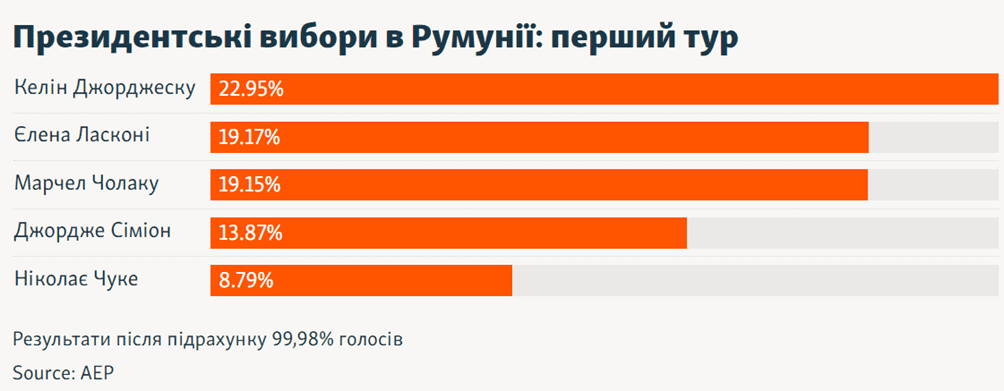
First-round presidential election results in Romania (Photo: Radio Liberty)
How TikTok Worked for the Candidate
The platform reaches nearly 9 million users in Romania—and Georgescu maximized its capabilities. He relied on emotional video content, religious symbols, and narratives that resonate with conservative audiences. According to journalists, bots helped create the illusion of broad support, pushing his content into trends.
International Concern
The election results raised alarm in the EU and NATO: Romania occupies a strategic position next to Ukraine, and a shift in the country’s political course could affect regional security. The European Parliament is demanding explanations from TikTok regarding compliance with DSA legislation.
Risks for Ukraine: TikTok as a Tool for Anti-Mobilization Campaigns
RBC-Ukraine also emphasizes, citing InfoLight.UA, that TikTok is actively used in Ukraine as well—to spread disinformation about mobilization. Networks of coordinated accounts disseminate inflated casualty figures, manipulative videos about mobilization injustice, and content aimed at creating panic. The platform’s algorithms facilitate rapid spread of emotional messages, only amplifying the impact of such campaigns.
InfoLight.UA experts emphasize: Ukraine needs systematic monitoring of coordination networks, increased media literacy, and rapid response to hostile information operations.
Conclusion
The situation in Romania demonstrates how powerfully digital platforms can influence political processes. TikTok can become both a tool for democratic communication and a weapon for manipulation. For Ukraine, this is a warning: information attacks on TikTok directly affect mobilization sentiment and pose a real threat to information security.