Ukrainians are ready to join the ranks of the Armed Forces of Ukraine, but only under conditions of clear and transparent mobilization rules, genuine eradication of corruption, and restoration of trust in state institutions—including through electoral mechanisms. This is stated in an article by Interfax-Ukraine, which highlights the results of a qualitative study on the …
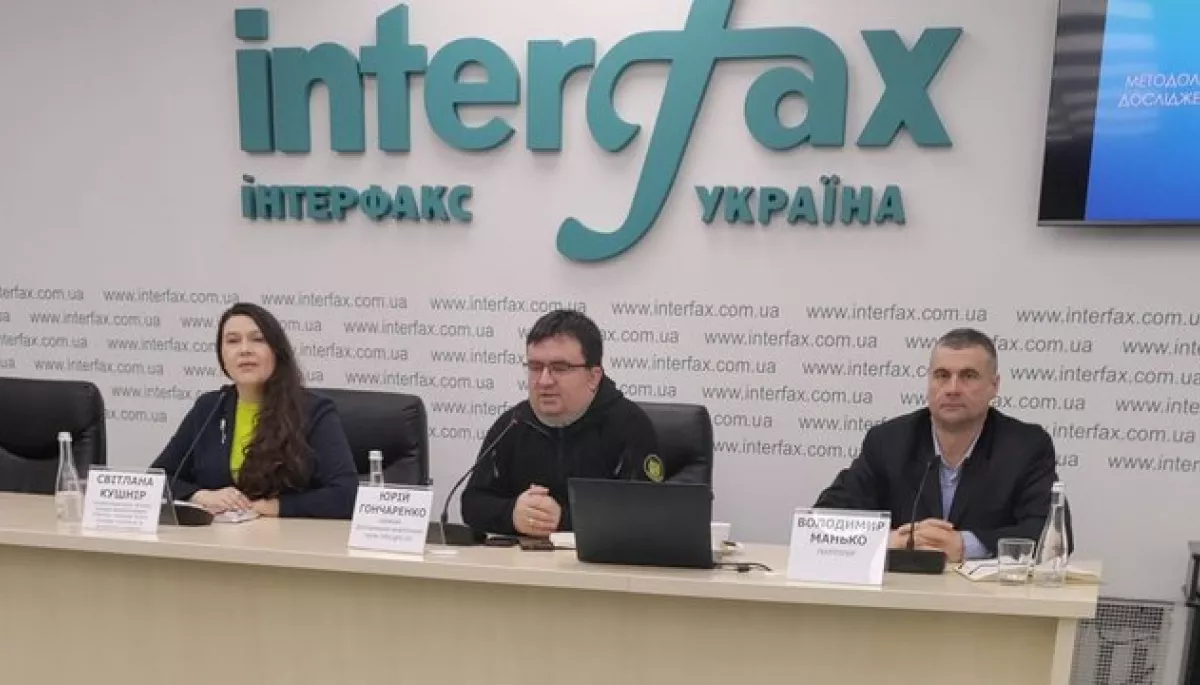
Ukrainians are ready to join the ranks of the Armed Forces of Ukraine, but only under conditions of clear and transparent mobilization rules, genuine eradication of corruption, and restoration of trust in state institutions—including through electoral mechanisms.
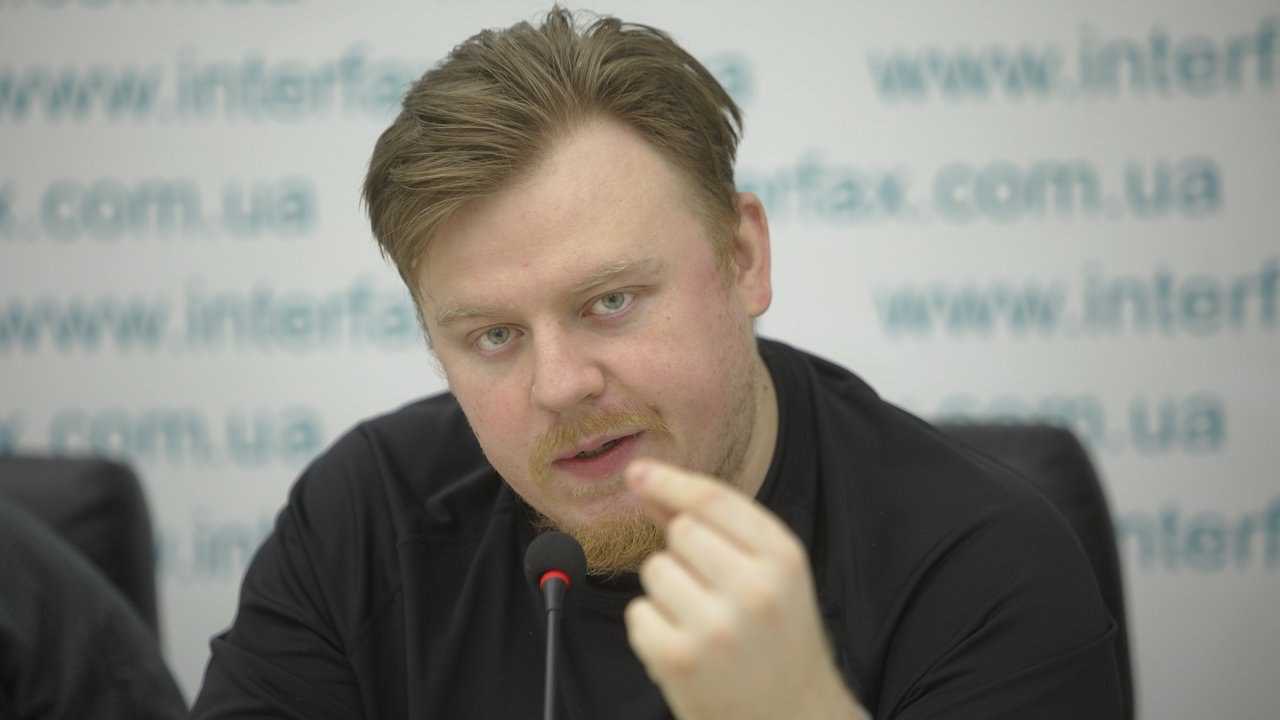
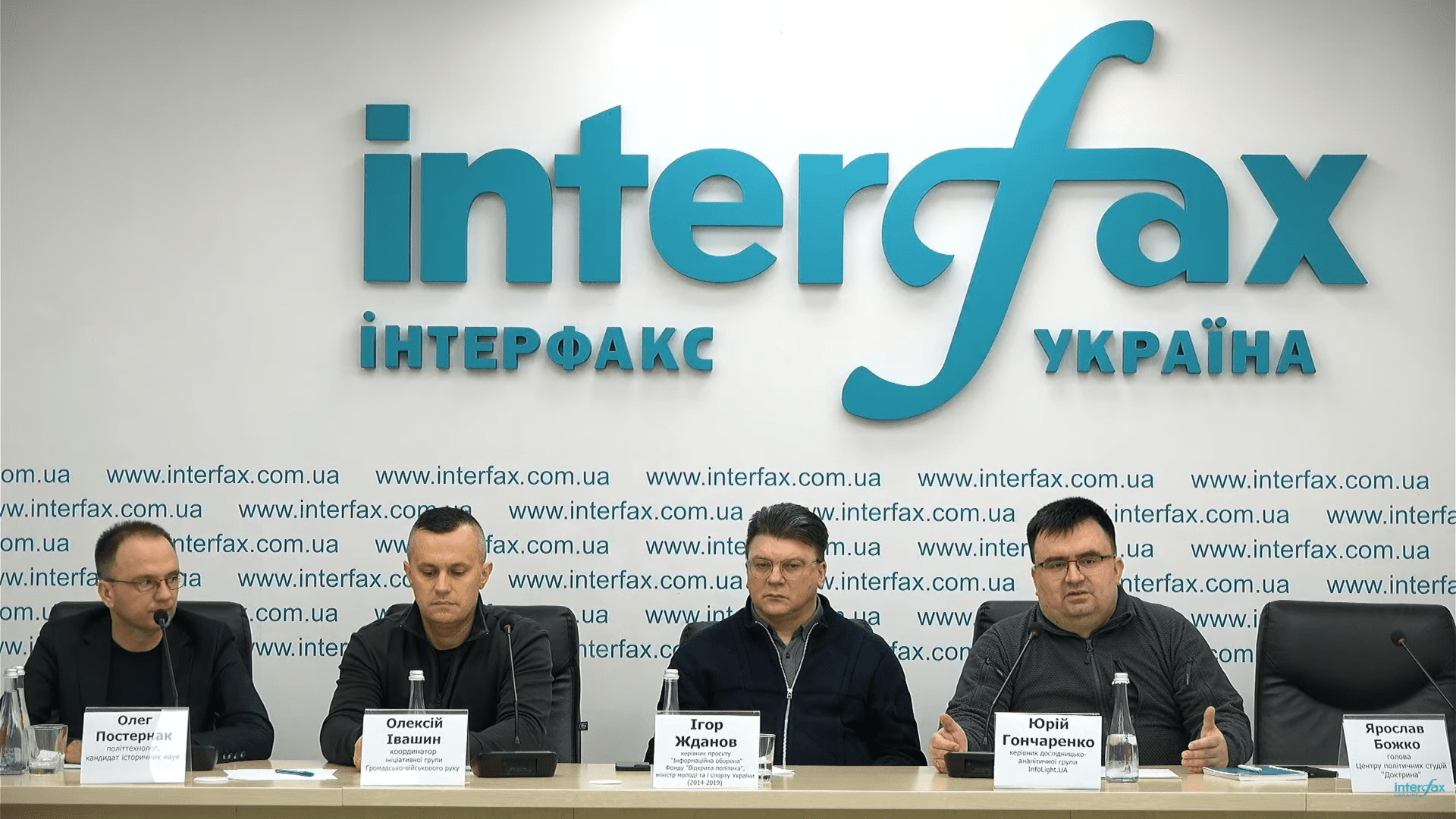
This is stated in an article by Interfax-Ukraine, which highlights the results of a qualitative study on the impact of disinformation on mobilization processes, conducted by the analytical group InfoLight.UA.
The group’s experts emphasize that among the key steps should be the dissolution of existing territorial recruitment centers and the creation of new civilian structures with transparent procedures. Furthermore, mobilization must encompass all social groups regardless of status or income level.
The published data states: “The state has not provided clear and fair conscription rules, which has only intensified distrust, particularly due to uncertainty regarding service duration.”
Respondents also emphasized the need to stop the practice of mobilization in public places and improve state communication with potential conscripts. One of the proposals was to introduce an adaptive transitional phase—initially service in rear units, followed by possible deployment.
According to InfoLight.UA analysts, the issue of elections is one of the most important for military personnel. It is among soldiers that the idea of holding elections as a means of restoring trust in the government received the highest support.
Political scientist Volodymyr Soniuk noted during the presentation: “The necessity of elections to legitimize the government received the strongest support among military personnel, which refutes artificially created myths.”
The results also showed that military personnel expect the introduction of fair rotation, regular rest periods for frontline units, and guarantees of fixed service terms.
Like the previous study, this one is conducted in two stages—qualitative and quantitative. The first wave has now been presented, based on in-depth interviews with key groups: Ukrainian male refugees abroad and men in Ukraine—military personnel, those awaiting mobilization, and those avoiding conscription.
The second stage—a quantitative survey—will be completed in approximately one month. It is intended to synthesize the collected qualitative material and provide statistically validated results for further analysis.