The Foundation for Democracy Assistance is completing a key phase of a large-scale study aimed at reforming the mobilization system in Ukraine. The project "Rotational Model of Military Service: Comprehensive Research, Reform Development, and Advocacy to Enhance Ukraine's Resilience" aims to create a fair and predictable mechanism for engaging citizens in the Defense Forces, which …
The Foundation for Democracy Assistance is completing a key phase of a large-scale study aimed at reforming the mobilization system in Ukraine. The project “Rotational Model of Military Service: Comprehensive Research, Reform Development, and Advocacy to Enhance Ukraine’s Resilience” aims to create a fair and predictable mechanism for engaging citizens in the Defense Forces, which is critically important in the context of a prolonged war.
The “Rotational Model of Military Service” project is a logical continuation of our work that began in 2024–2025, when the first version of the reform was presented. We strive to transform the theoretical concept of defensive democracy—the idea that democracy can defend itself without losing its essence—into a practical tool for national survival.
Crisis of Uncertainty and Loss of Trust
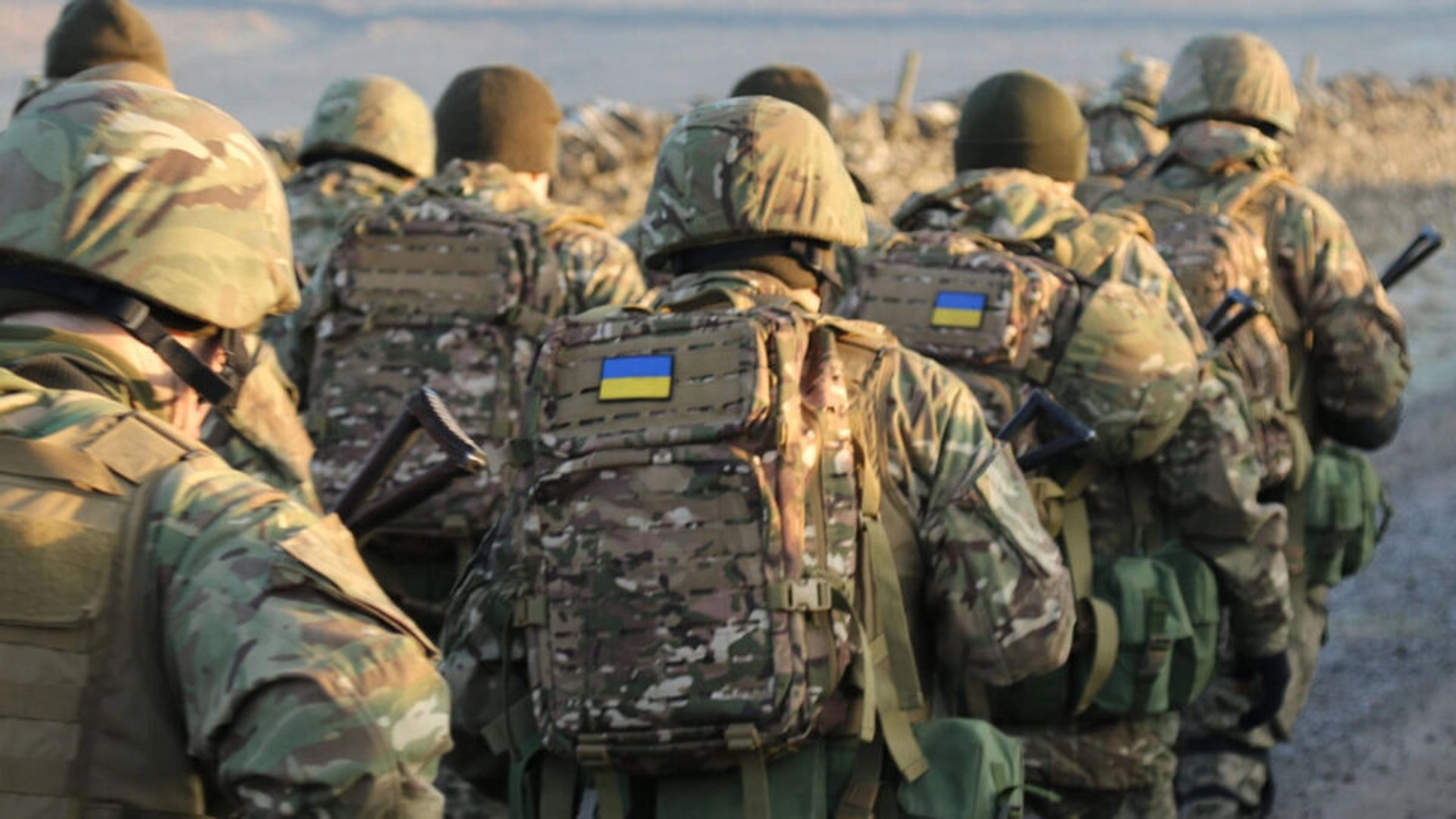
Today’s mobilization system in Ukraine, based on indefinite military service, has created critical social tension. Service members are exhausted by the absence of rotations, while those liable for military service massively avoid mobilization due to fear of “falling out forever” from personal and economic life. This situation creates a “negative feedback loop,” where the harder the service, the fewer people are willing to be mobilized, deepening the crisis of trust between citizens and the state. At the same time, hostile propaganda actively exploits these fears and grievances to destabilize society.
A Fair Social Contract Through the Rotational Model
Development of a substantiated rotational military service model that will ensure a fair distribution of the burden of engagement in the Defense Forces and strengthen Ukraine’s resilience in the context of a prolonged war.
Based on international experience (Israel, Finland, Switzerland, Sweden) and societal demands, we propose a model grounded in the following principles:
1. Clear service terms: Introduction of 12–18 months of mandatory service and periodic reserve training.
2. Universality and fairness: Minimal exemptions and equitable engagement of all segments of the population.
3. Structure: A small standing army + a large reserve army.
As part of the research, we analyzed three specific rotational models:
• “Rotational 8/14” Model: Service of 8–12 months, followed by 14–24 months of guaranteed civilian life with full deferment.
• “120 Days” Model: A cycle consisting of 80 days of combat participation, 20 days of rest, and 20 days of training.
• “Safe Start 150” Model: The first 150 days (5 months) of service exclusively in non-combat positions for adaptation and training.
Research Results and Analytics
The project has been implemented since September 2025 and includes four key studies:
1. Sociology and in-depth interviews: Over 750 online surveys have been processed, covering service members, veterans, those liable for military service who avoid mobilization, and refugees. The main conclusion from all target groups: establishing clear service terms is critically important (demobilization).
2. Mathematical modeling: The mathematical model has been updated using game theory to optimize rotation processes.
3. Analysis of international experience: A comparative analysis of mobilization systems in democratic countries during prolonged conflicts has been conducted.
4. Countering disinformation: Russian information influence on attitudes toward mobilization has been studied, and recommendations for countering it have been developed.
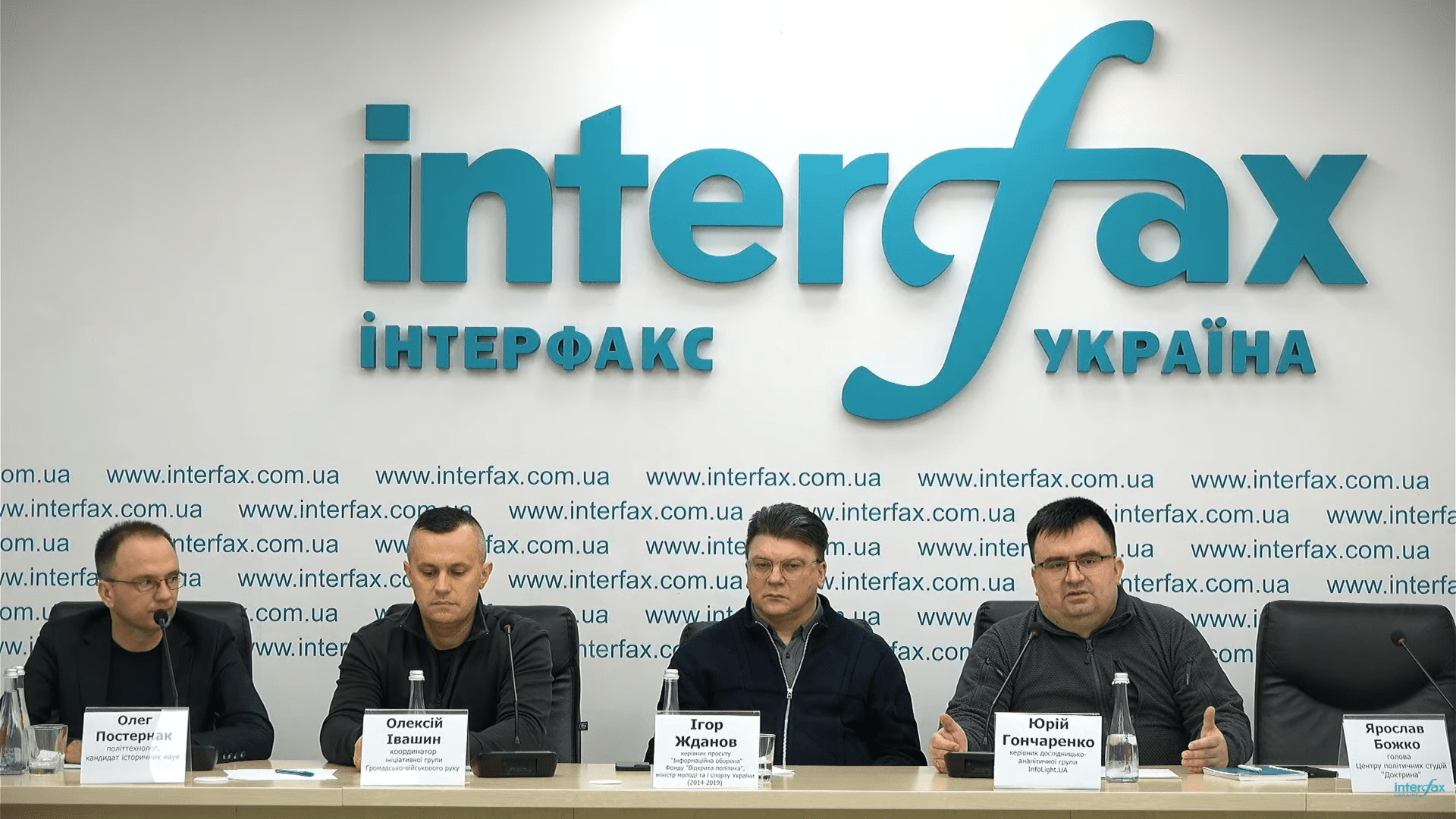
Through the involvement of a team of experts (Yurii Honcharenko, Kostiantyn Kanishev, Olha Maksymova, and others) and partnership with the Ukrainian Security Club, we have created a comprehensive foundation for the final reform model.
Next Steps: Advocacy and Implementation
Key advocacy and communication activities are planned for November–December 2025:
• Development of the final reform model: Creation of the final version of the rotational military service based on all research results.
• Engagement with authorities: Presentation of the reform model to members of the Verkhovna Rada, working meetings with representatives of the Ministry of Defense and the General Staff of the Armed Forces of Ukraine to discuss practical aspects of implementation.
• Information campaign: Public presentation of research results and a series of media publications to explain the benefits of the reform.
Our goal is to transform the Rotational Model of Military Service into an institutional embodiment of the balance between force and law, necessity and freedom, state and citizen, ensuring that Ukraine builds a democracy capable of defending itself.
Disclaimer
This publication was created by the Foundation for Democracy Assistance with the support of the Askold and Dir Fund, administered by ISAR Ednannia within the framework of the project “Strong Civil Society of Ukraine – Driver of Reforms and Democracy” funded by Norway and Sweden. The content of this publication is the responsibility of the Foundation for Democracy Assistance and does not reflect the views of the governments of Norway, Sweden, or ISAR Ednannia.