The TikTok platform is increasingly being used in Russian information-psychological operations to spread narratives aimed against mobilization. Due to the viral nature of content and its enormous influence on youth, such materials quickly shift public sentiment. Interfax-Ukraine reports in its article, citing data from our study on the impact of disinformation on mobilization processes in …
The TikTok platform is increasingly being used in Russian information-psychological operations to spread narratives aimed against mobilization. Due to the viral nature of content and its enormous influence on youth, such materials quickly shift public sentiment.
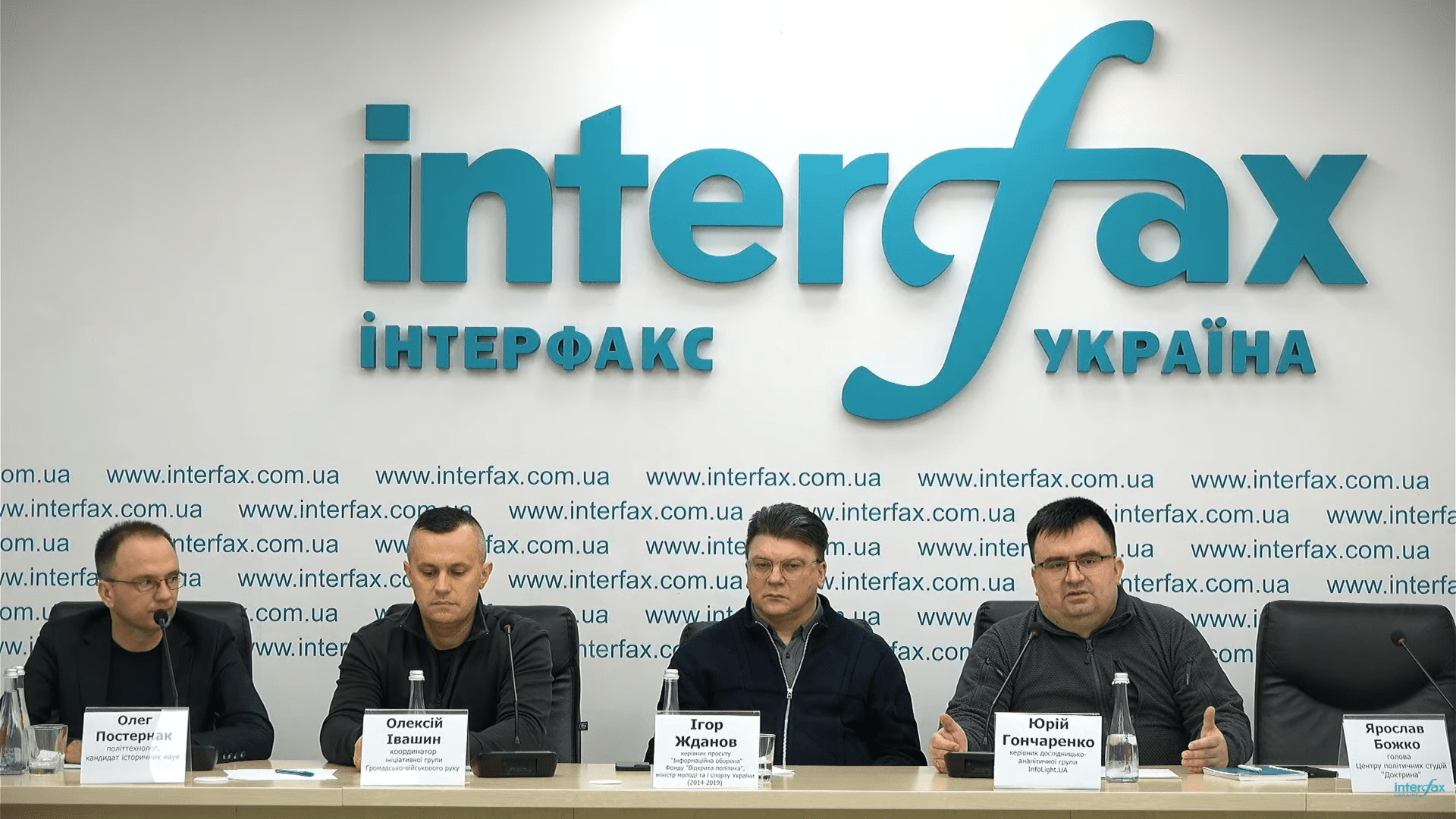
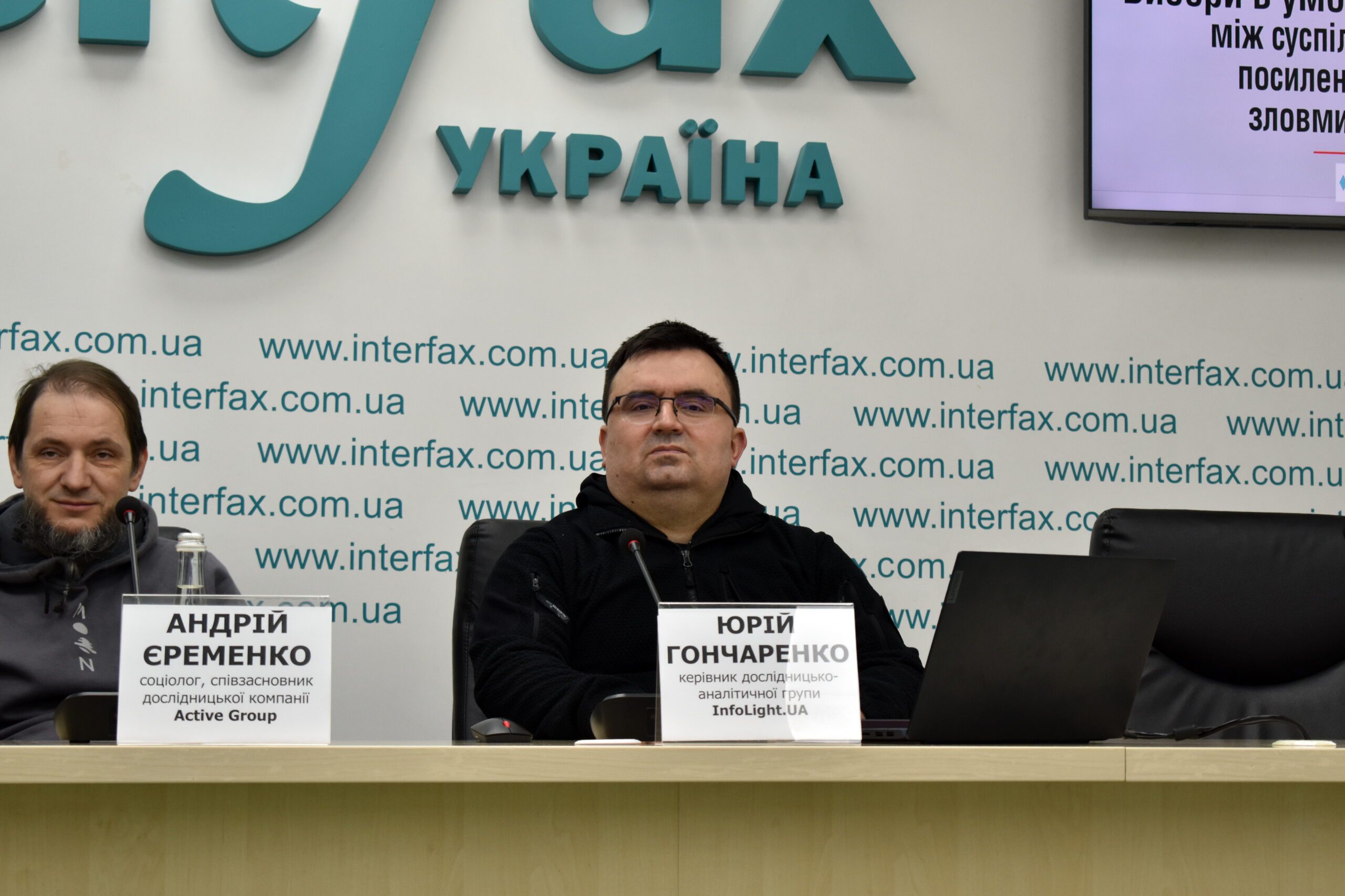
Interfax-Ukraine reports in its article, citing data from our study on the impact of disinformation on mobilization processes in Ukraine, conducted by the analytical group InfoLight.UA.
Group leader Yurii Honcharenko noted that since May 2022, InfoLight.UA has been systematically monitoring such influences in cooperation with relevant structures of the security and defense sector. Since late 2022, artificial intelligence-based solutions have been applied in the work.
Political scientist Andrii Myseliuk emphasized that the main objective of Russian IPSOs is to weaken the unity of Ukrainian society in countering aggression and to sow doubts about the achievability of Ukraine’s goals in the war.
Experts point out that TikTok requires even greater attention and regulation than Telegram, due to the extremely rapid spread of manipulative content.
According to InfoLight.UA, the study consists of two stages—qualitative and quantitative. The results of the first wave have now been presented, based on in-depth interviews with representatives of key groups: Ukrainian male refugees abroad and men in Ukraine—military personnel, those awaiting mobilization, and those avoiding it.
The second stage—a quantitative survey—will be completed in approximately one month. It will allow for the generalization of the obtained qualitative data and the drawing of statistically substantiated conclusions.