The NGO "Democracy Assistance Foundation" continues to implement a humanitarian research project aimed at countering disinformation, supporting the resilience of vulnerable groups and reducing the risks of manipulation among the population under martial law. Particular attention is paid to the abduction and militarization of Ukrainian children in the temporarily occupied territories (TOT), a systemic war …
The NGO “Democracy Assistance Foundation” continues to implement a humanitarian research project aimed at countering disinformation, supporting the resilience of vulnerable groups and reducing the risks of manipulation among the population under martial law. Particular attention is paid to the abduction and militarization of Ukrainian children in the temporarily occupied territories (TOT), a systemic war crime that has become a strategic threat not only to Ukraine but also to the whole of Europe.
Analytical discussion in Lviv: children in the crosshairs
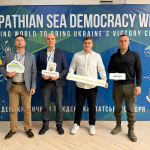
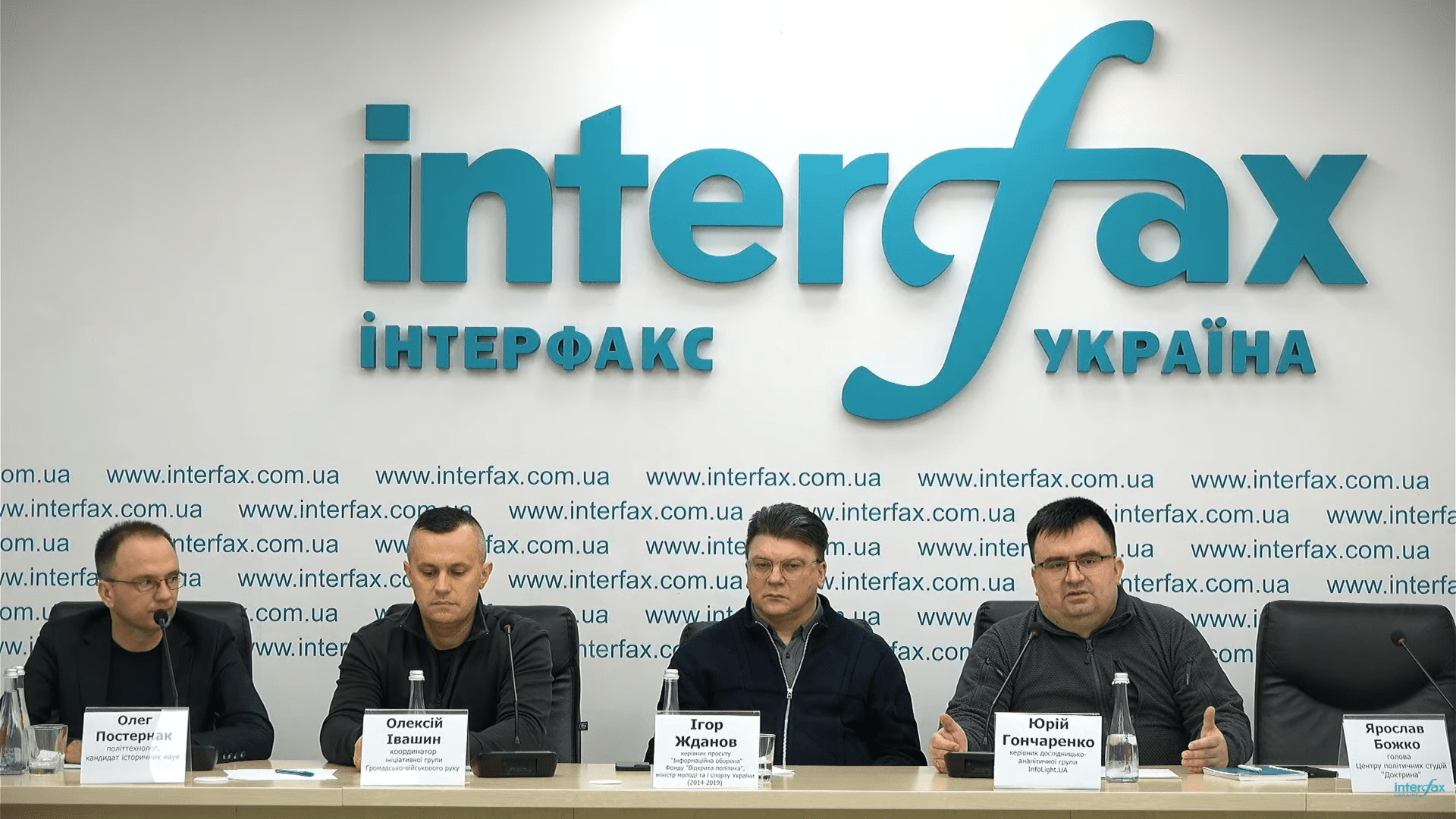
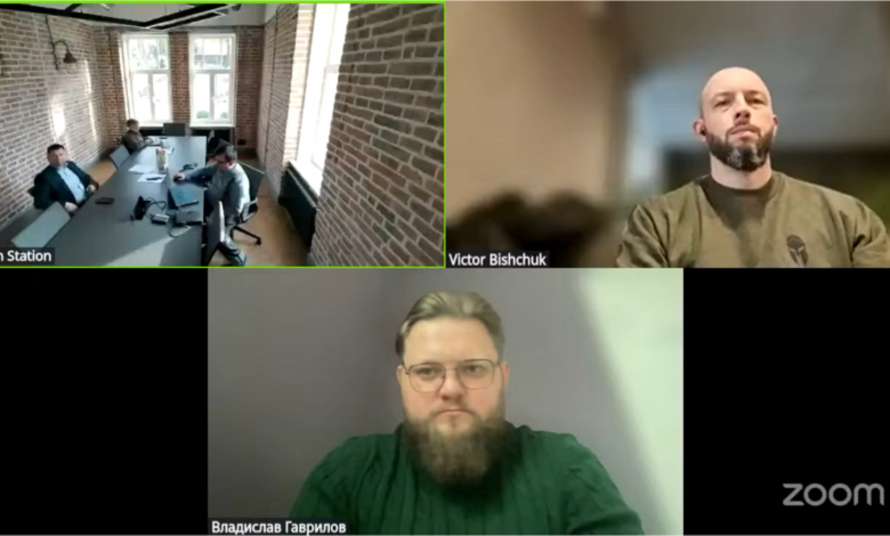
On March 5, 2026, an expert discussion “Children in the Crosshairs: Militarization and Abduction of Ukrainian Children in the TOT” was held in Lviv’s LEM Station space, organized by the NGO “Democracy Promotion Foundation ” and the “Ukrainian Security Club” with the support of the Hanns Seidel Foundation in Ukraine.
The event was attended by human rights activists, historians, veterans, volunteers and experts who work directly with international institutions and evacuate people from the occupied territories. The purpose of the discussion was not only to document the facts of crimes, but also to focus the attention of society and international partners on the systemic nature of this problem.
Digital dictatorship and pseudo-conservatism: how Russia controls children
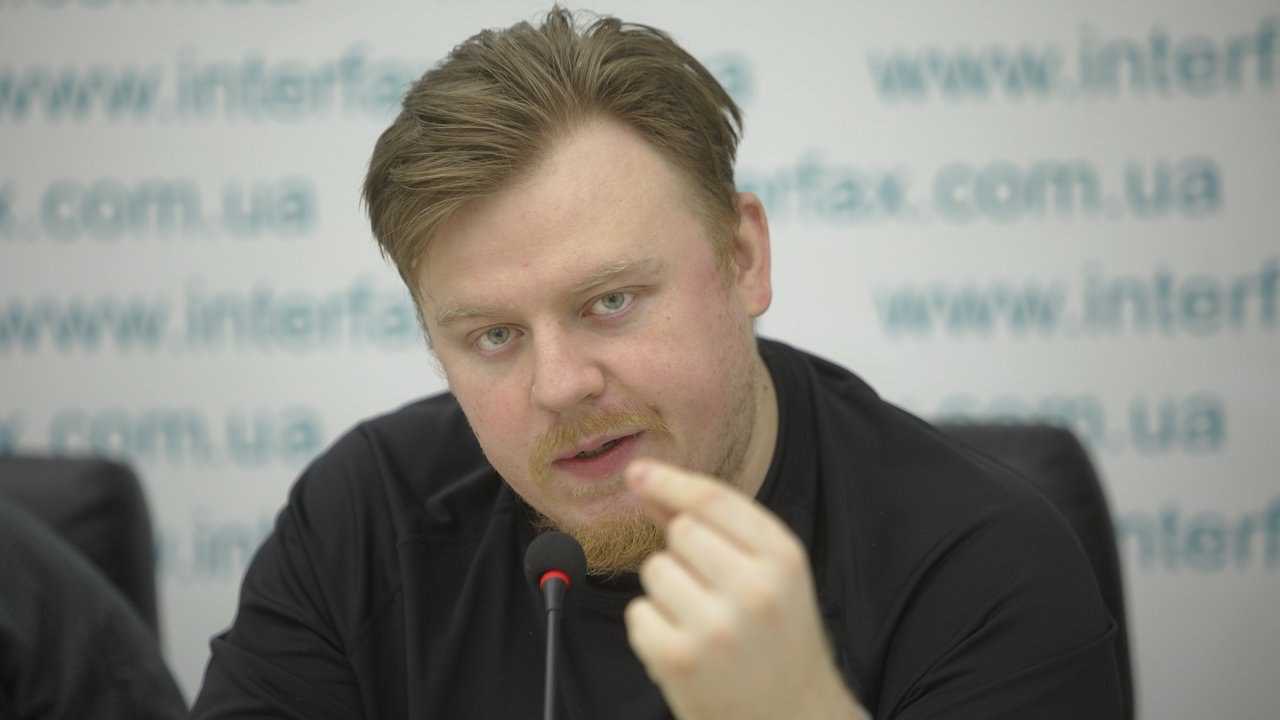
Yuriy Goncharenko, Head of the InfoLight.UA Research and Analysis Group and Head of the Ukrainian Security Club, noted that Russia is creating an infrastructure for total control over children in the TOT, from digital surveillance to ideological manipulation. In particular, the aggressor is introducing a “schoolchild card” with built-in tracking chips and forcibly transferring young people to closed digital ecosystems (for example, the MAX messenger), which allows the aggressor state to control every step of the child.
“Russia falsely positions itself as a defender of traditional values, but in reality it is creating a system of suppression of the individual. According to various estimates, up to 200 thousand Ukrainian children may be abducted and re-educated. These children are potential military personnel who will fight against Europe. We have to debunk this pseudo-conservatism and show that it is only about total control and violence,” emphasized Honcharenko.
Systematic deportation and Lebensborn in Russian
Vladislav Gavrilov, a historian and expert on war crimes in Russia, described the mechanism of forced deportation and Russification of Ukrainian children. According to him, Russia organizes the removal of children under the guise of “rehabilitation” to summer camps, where paramilitary exercises, including shooting and assembling drones, are actually conducted.
“The Russian Federation has created a system of supervision, where regions of the Russian Federation control the occupied territories. Children from the Luhansk region are taken to Tatarstan, where they are taught shooting and tactical medicine in paramilitary training. This is reminiscent of the practice of the Nazi Lebensborn, when Polish children were numbed. The aggressor is doing the same thing: trying to turn Ukrainian children into Russian citizens and use them against their own country,” Havrylov noted.
The pragmatics of rescue: the lack of state systems
Iryna-Ester Vrataryova, a spokesperson for the Humanity volunteer initiative, criticized the lack of a systematic state policy for returning adults from the occupation, which makes it difficult to rescue children. According to her, volunteer organizations are forced to perform the functions of the state, risking their lives and working for donations.
“We need to communicate with our partners more rigorously, providing real facts of violence. Children without adults is nonsense when they return, but we still have no state system for returning civilians. Volunteers do it on their own, often with donations. We need the state to hear about it and be there for us,” Vrataryova emphasized.
The historical model of the “human tax”
Viktor Bishchuk, a journalist and veteran of the Russian-Ukrainian war, compared Russia’s actions to the practice of the Mongol Empire, which fought with the hands of conquered peoples, imposing a “human tax” on them.
“Russia today professes a cruel Mongolian practice – it fights with the hands of conquered peoples. This is a system of “human tax”: we have conquered your country, now you have to give soldiers to our army. It is in Europe’s interest to support us now, so that we do not get a million-strong army of trained Ukrainians who will be forced into Russian overcoats and driven to the western borders,” Bishchuk warned.
Ideological “janissary” and cultural vacuum
Valeriy Maydanyuk, political scientist and expert at the Foundation for Promotion of Democracy, analyzed the Russian educational system as a tool of ideological “zombification.” He noted that Russia is using the experience of Africa, where children become susceptible to manipulation, and fills every segment of a child’s life with propaganda – from textbooks to the school of future commanders in Artek.
“Russia is raising modern-day Janissaries. The aggressor is erasing the cultural identity of children, making them the most rigid and loyal part of the empire’s army. Our big loss is that we have not created a competitive cultural product that could resist Russian influence,” said Maidaniuk.
Conclusions: the fight for children is a fight for the future
The analytical discussion demonstrated that the problem of children in the TOT has gone beyond a humanitarian issue and has become an existential challenge for the Ukrainian nation and European security. Russia is deliberately raising a generation of “new Janissaries,” erasing their identity and preparing them for the role of cannon fodder in imperial conquests.
Ukraine needs it:
- Immediate reorientation from volunteer response to large-scale state policy.
- Create systematic mechanisms for the return of civilians from the occupation.
- Developing an ideological strategy for the education and production of competitive cultural content.
“Losing children today means meeting them on the battlefield tomorrow,” the experts summarized.
The project is implemented with the support of the Hanns Seidel Foundation in Ukraine.