While the aggressor’s missiles are destroying the physical infrastructure of Ukrainian cities, an equally existential battle—for the internal resilience of society—is unfolding behind the front lines. The main threat here has turned out to be not so much enemy propaganda as our own feelings of helplessness and the lack of a clear plan of action. …
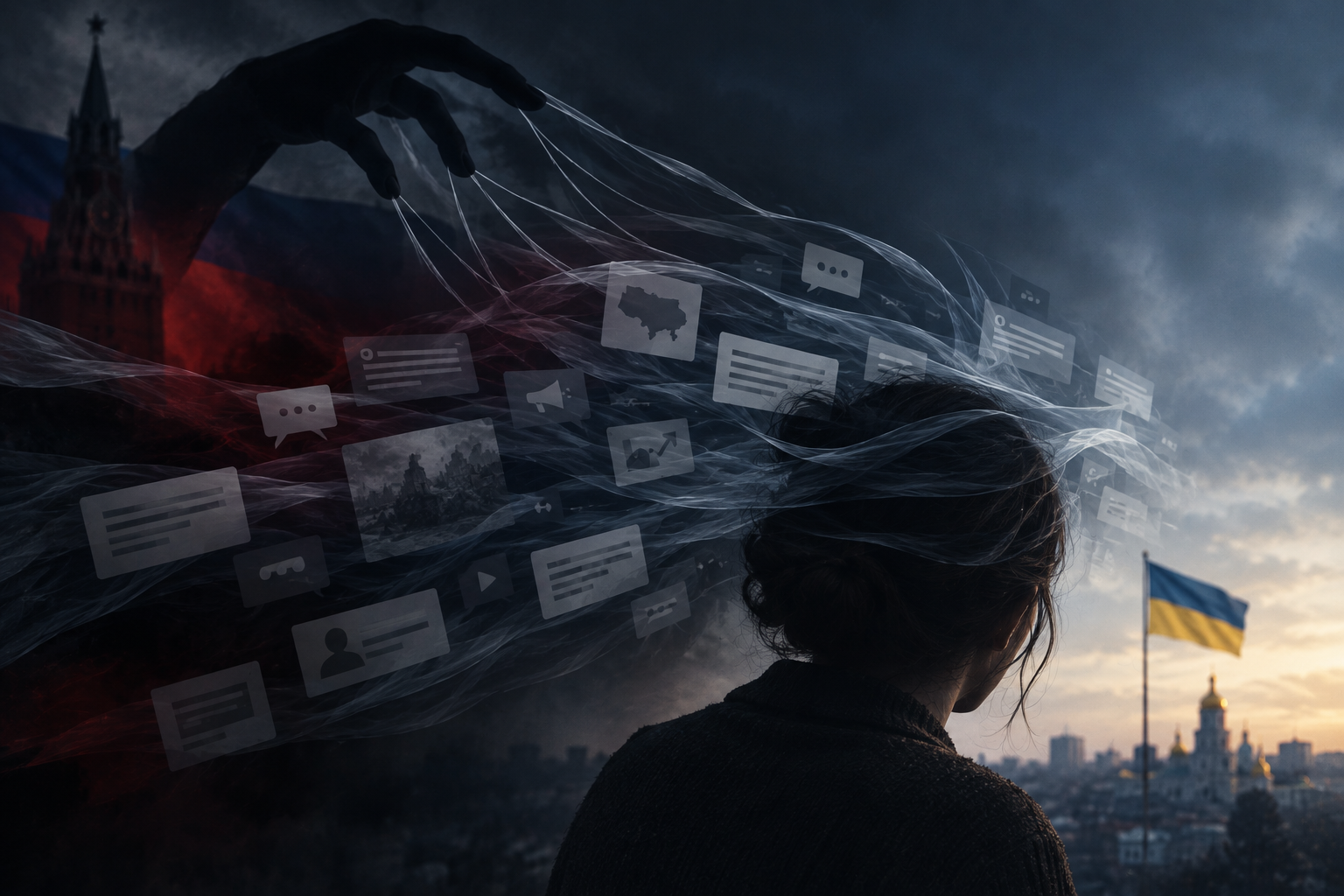
While the aggressor’s missiles are destroying the physical infrastructure of Ukrainian cities, an equally existential battle—for the internal resilience of society—is unfolding behind the front lines. The main threat here has turned out to be not so much enemy propaganda as our own feelings of helplessness and the lack of a clear plan of action. In the fifth year of full-scale war, the Ukrainian nation finds itself at a crossroads: to remain hostage to an exhausting “counteraction” against external manipulation, or to gain a cognitive advantage by articulating its own dominant vision of the future.
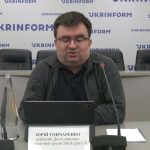
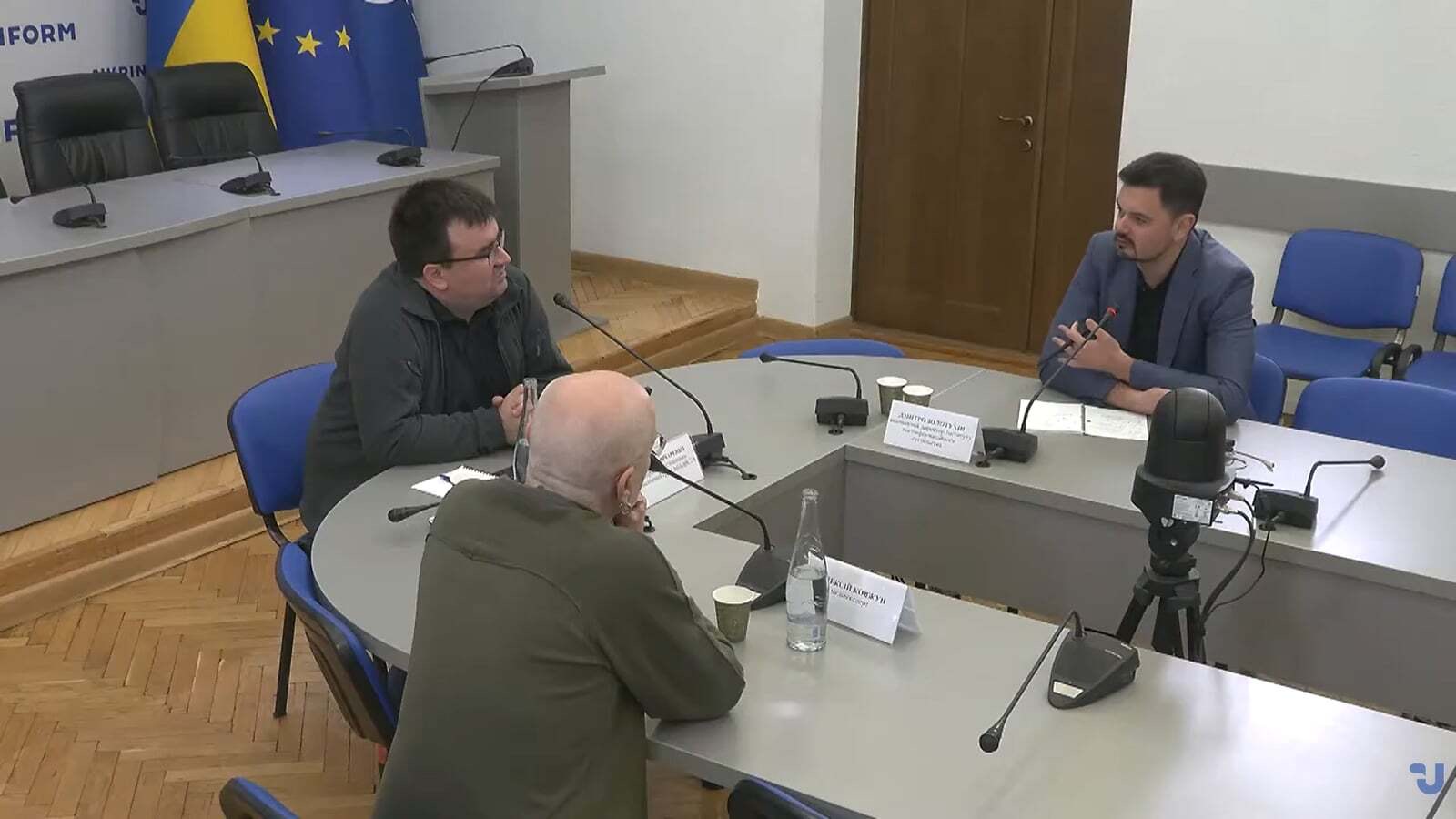
On October 9, 2026, at the Ukrinform News Agency (Kyiv), a panel discussiontitled “Staying Strong: Possible Responses by Ukrainian Society to Russia’s Cognitive Pressure” was held, organized by the Ukrainian Security Club (UBC), the NGO “Foundation for Democracy Assistance,” and the InfoLight.UA Research and Analytical Group, with support from the Hanns Seidel Foundation in Ukraine. Leading media experts sought to address the key cognitive and informational challenges facing Ukraine in the fifth year of the war.
The Trap of Reactive Resistance: Why Constant Opposition leaves us vulnerable
A prolonged state of information defense has fostered a harmful habit of living according to someone else’s agenda. Every new morning begins not with advancing our own agenda, but with a frantic search for a response to the enemy’s latest statements or rumors about yet another “peace initiative.” Such an exhausting reactive approach turns society into a passive target of manipulation, one that constantly cedes the strategic initiative to external actors.
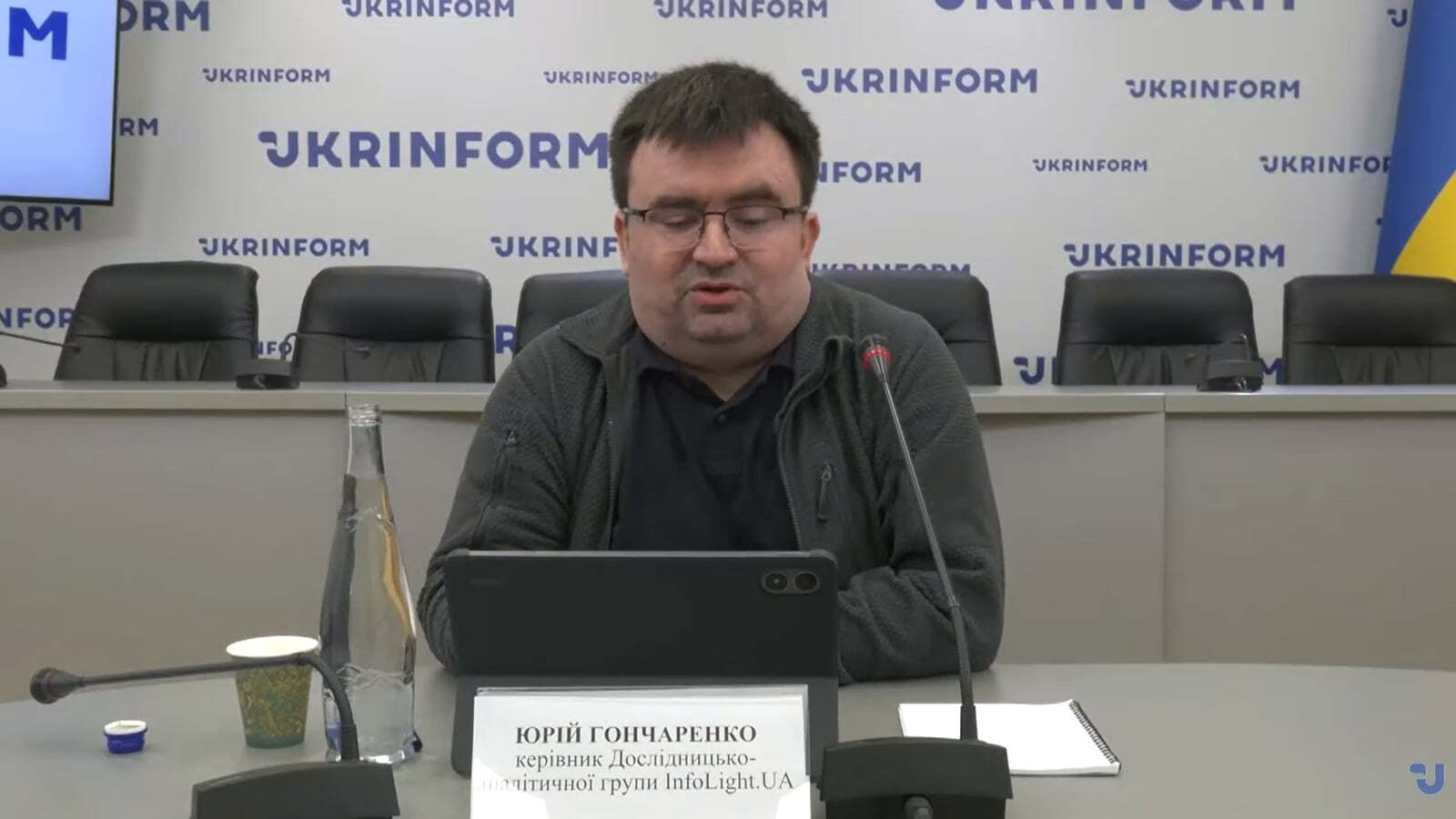
The main vulnerability of the home front today lies in the total vacuum of uncertainty. When a crisis catches the private sector and ordinary citizens off guard, the lack of clear government protocols instantly triggers panic and chaos.Yurii Honcharenko , head of the InfoLight.UA Research and AnalysisGroup , elaborated on this situation in detailusing the example of the transportation collapse in the capital. The expert emphasized the priority of effective communication with the public:
| “For example, a cashier at a supermarket wasn’t told what to do in case the subway stops. In other words, most people don’t know what to do. This not explained both at the business level, at least in part, andas well as at the national level“ – Yurii Honcharenko emphasized. |
And this information vacuum is immediately filled by the enemy. If the state does not provide society with transparent guidelines for behavior during crises, people begin to seek answers on their own, making them vulnerable to information attacks. Instead of mobilizing certainty, the home front is met with alarming confusion, which systematically undermines the focus of domestic attention.
The “Adult in the Room” Illusion: The Death of Paternalism and the Metaphor of the Homeowners’ Association
Alongside the infrastructure challenges, Ukraine is witnessing the final collapse of a 30-year-old paternalistic concept. For decades, citizens have nurtured the false belief that somewhere in the upper echelons of government there exists an all-powerful state apparatus obligated to solve all problems, provide protection, and ensure well-being without any personal involvement on the part of the population. However, reality proves otherwise: the offices are empty, and the state itself needs protection from its citizens.
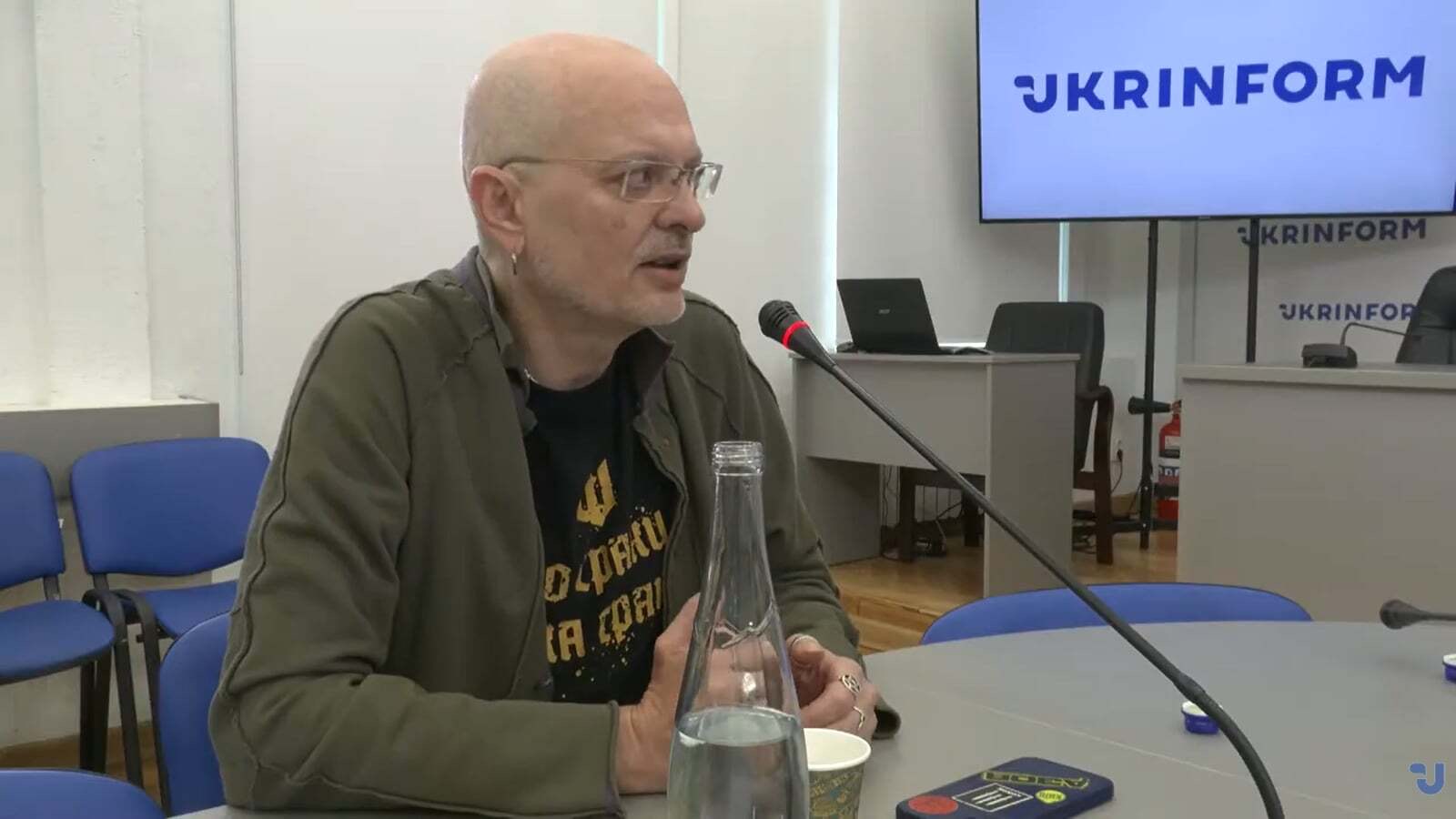
In assessing the shift in society’s mindset, media expert Oleksii Kovzhun highlighted the mobilizing potential of the current crisis:
| “As far as I’m concerned, what’s happening—as strange as it may sound—is a positive development, because it finally eliminatesthis element of paternalism” – emphasizes Oleksii Kovzhun. |
The realization that the state is more like a “sick child” that society must heal and protect on its own restores citizens’ sober view of reality. Sweet illusions and the absence of hard truths only deepen disillusionment. Society demands not rosy promises from those in power, but honest communication about reality:
| “At the very least, we must demand the minimum – That is clarity. Churchill’s classic speech is ana prime example of this, when he said:all I can tell you is that these are extremely bad things:blood, sweat, tears, suffering. Andhe clearly stated that there would be” – stated a media expert Oleksii Kovzhun. |
The maturity of a nation is measured by its readiness to embrace adulthood. A simple yet ruthless test of governance ability for future politicians is their capacity to establish basic self-organization within their own homes. After all, real protection arises where residents have managed to form a homeowners’ association, agree on common rules, install generators, and ensure a water supply—all while abandoning the childish hope for a mythical “grown-up in the room”:
| “There are no adults in the room;; the adults in the room are you and me. And we need to be aware of that.” – stressed Oleksii Kovzhun |
Institutional Paralysis: How Excessive Control Encourages Sabotage
While civil society is learning to organize itself, the civil service has fallen into a trap of internal paralysis. More than a decade of building a rigid, anti-corruption hierarchy has led to an unexpected systemic shift: instead of creating a service-oriented and efficient state, the country has ended up with a bureaucratic apparatus that punishes any initiative and encourages complete inaction.
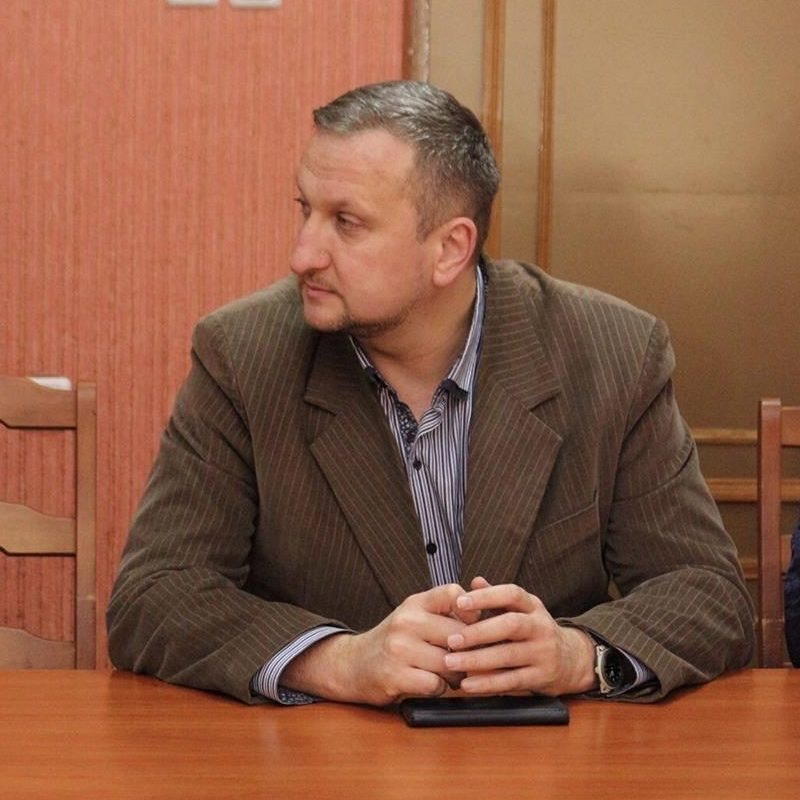
| “The number one issue that Ukrainians identify as a priority is the threat of corruption, followed followed by the threat of airstrikes and shelling. In other words, corruption poses a far greater threat to Ukraine and Ukrainiansthan the immediate threat of what’slanding” checked and kills people.” – noted Dmytro Zolotukhin, executive director of the Institute Post-Information Society |
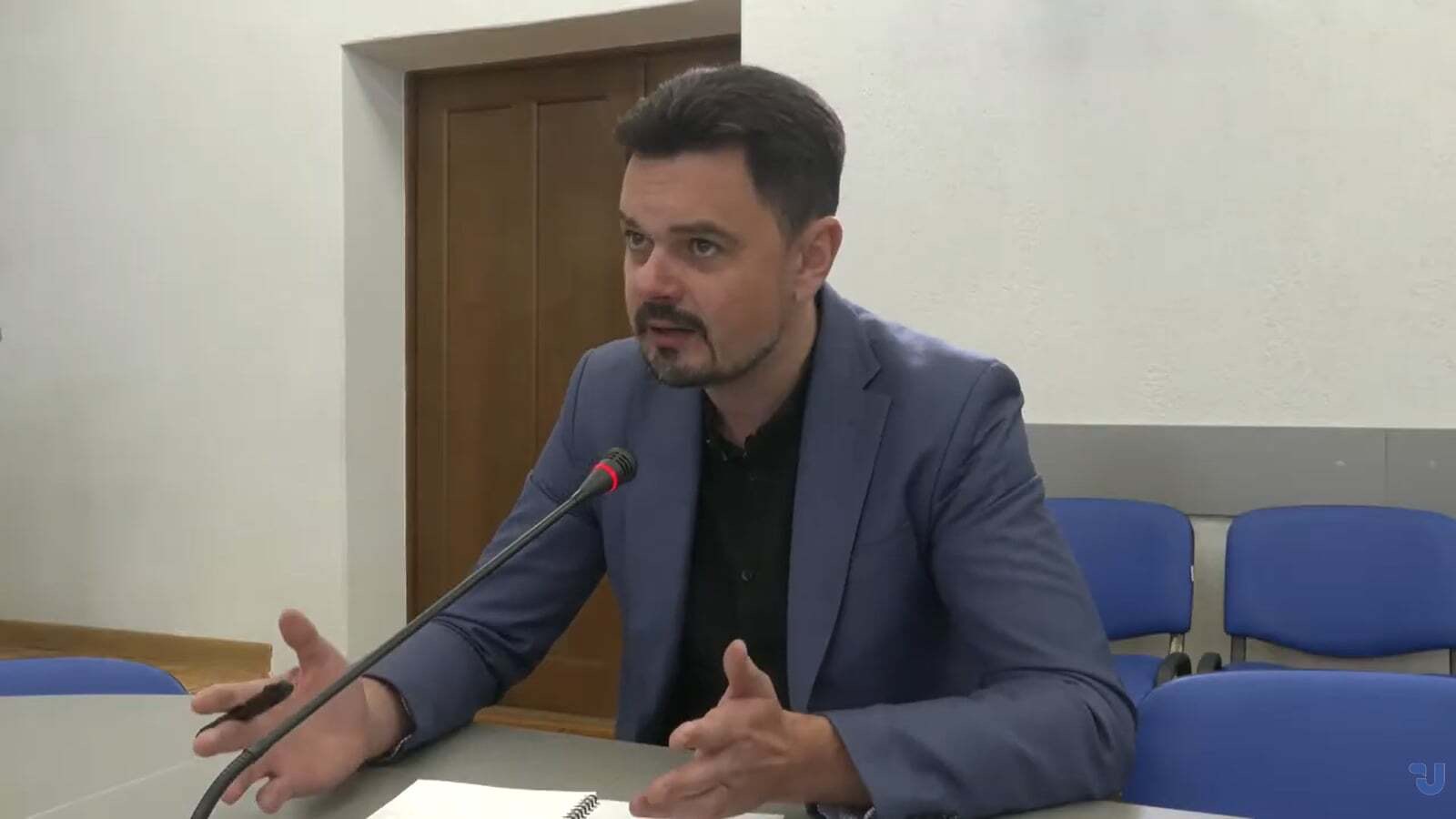
The paradox of the current system is that an official who takes risks and builds shelters or transportation infrastructure immediately becomes the target of investigations by law enforcement agencies. In contrast, an official who completely sabotages the work and returns funds to the budget remains in the safe zone:
| “They didn’t spend any money or carried out the necessary work. And the paradox is that they can’t be punished for anything now. After all, they saved budget funds.” – emphasizes Dmytro Zolotukhin. |
The situation is exacerbated by an acute shortage of personnel in the executive branch. The combination of the lifelong status of a “high-risk official” (HRO) and meager salaries creates negative selection, preventing professionals from the private and public sectors from joining ministries. The state is losing the competition in the labor market, leaving key agencies without qualified managers.
Parasites on the Tram: How Tolerating Free-Riding Breaks the Social Contract
The greatest domestic challenge to national security is the gradual emergence and legitimization, behind the front lines, of a distinct subculture of refusal to fulfill military duty. In the absence of transparent communication regarding terms of service and fair rotations, draft evasion has transformed from a shameful, clandestine act into a comfortable social role with its own slang, merchandise, and social acceptance:
| “We have before us a vibrant, living, dynamic, and welcoming subculture of the ‘dodgers’ with their T-shirts and theirour vocabulary. For example—the word ‘lyudolovy’— everyone knows what it means, and we know where it came from.” – noted a media expert Oleksii Kovzhun. |
The shadow economy and criminalized officials create entire closed ghettos with autonomous infrastructure for such citizens, profiting from corrupt rents. A dangerous social divide is emerging: while some citizens pay the highest price to defend the state on the front lines, others become “freeloaders” who enjoy the common good of security for free.
This situation is exacerbated by the domestic media, which, under the guise of adhering to fictitious “BBC standards,” provide a platform for political populists with calls for capitulation. The public promotion of such projects undermines the morale of society , emphasizes Oleksii Kovzhun.
The Formula for Cognitive Advantage: From Passive Defense to Shaping Your Own Future
Breaking out of this cognitive impasse requires a fundamental shift in the methodology of information warfare. Attempts to build a closed, defensive “sandbox” and continuously refute hostile manipulation are doomed to failure from the start, as they only deplete the country’s internal resources.
In the cognitive domain, there is no such thing as a defensive strategy—victory is achieved solely by gaining a dominant advantage:
| “You cannot be cognitivelyprotected , because the outcome of a struggle in cognitivespace is cognitive superiority,” — “ ” emphasizes Dmytro Zolotukhin, executive director of the Institute for thePost-Information Society |
To seize the strategic initiative, Ukraine must move beyond a position of perpetual “resistance” and offer the international community and its own society a clear, bold, and compelling vision of the future it desires:
| “If we want an advantage, we mustwhat kind of potential futurelies ahead for us is most desirable, and tell everyone that this desirable future will be good for all—everyone must come together to support, so that they share our view” – emphasized Dmytro Zolotukhin. |
Following the discussion, the analytical community’s response to this request is to develop alternative step-by-step action plans that will provide citizens and businesses with a clear roadmap for any possible course of the war.
| “Since 2022, the government has had no alternative action plans in case our ‘Plan A’ fails. This applies to the counteroffensive and many other examples. We want to present this step-by-step plan to the public planon how to do things well and what to do to make things go well, and take into account many different scenariosin.”– stressed the head of the InfoLight.UA Research and Analysis GroupYurii Honcharenko. |
In their conclusions, the participants in the discussion emphasized strategic recommendations to ensure the cognitive resilience of the state:
1. Formulating a dominant national vision: Move from reactively refuting hostile narratives to actively scaling up our own vision of future victory and reconstruction.
2. Development of transparent crisis response protocols: Ensure the development and public dissemination of contingency plans for businesses and citizens in the event of infrastructure, military, and logistical disruptions.
3. Media hygiene and rejecting false balance: Stop legitimizing populist and capitulationist agendas in the media under the guise of journalistic standards during wartime.
4. Reforming anti-corruption legislation and the civil service: Revise the rules governing the lifetime status of high-ranking officials and the civil service compensation system to address the shortage of qualified personnel, and shift the criteria for evaluating officials’ performance from a process-based approach to one focused on verifiable functional outcomes.