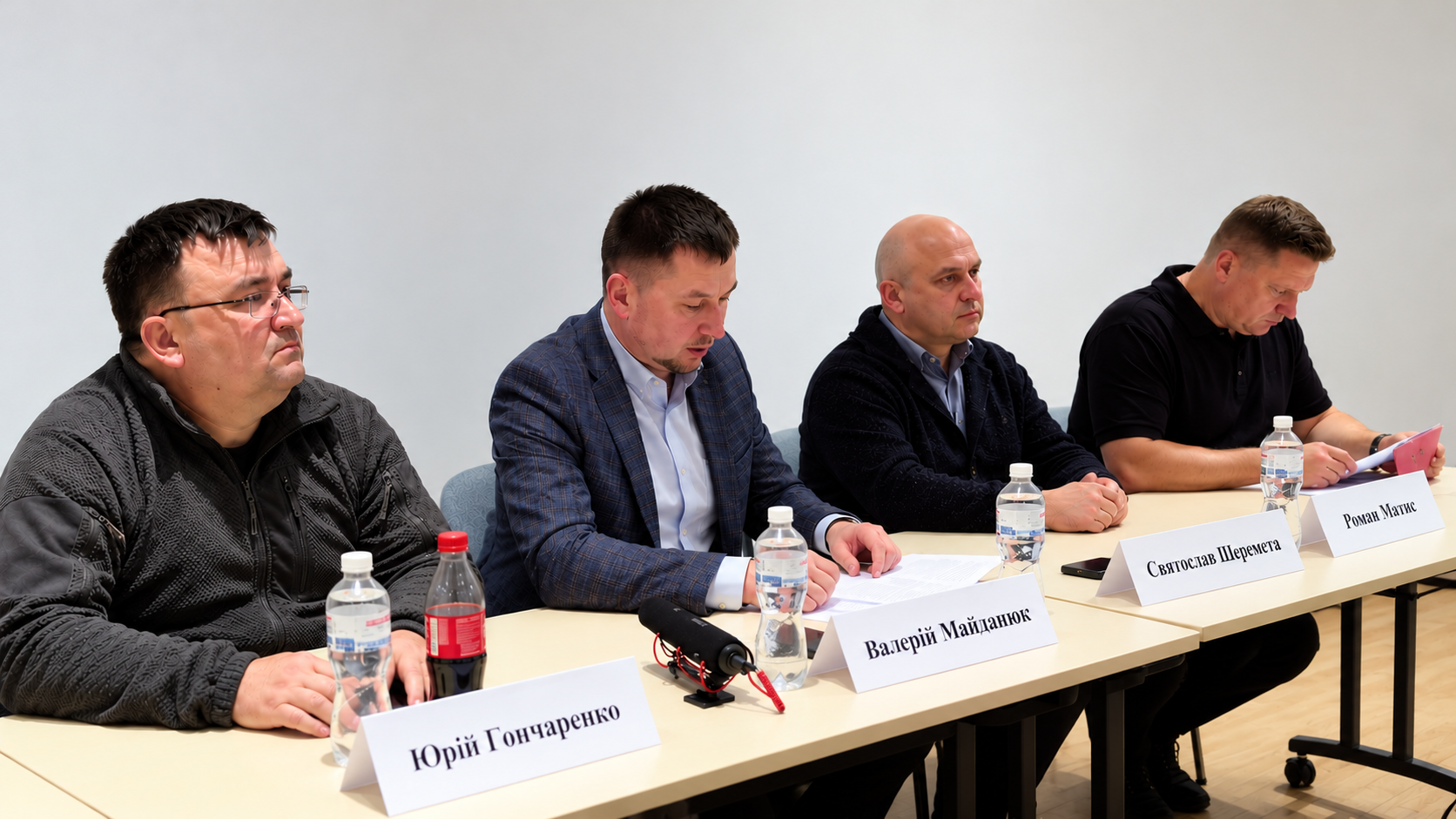
Kyiv, November 2026 On November 5, a meeting of the Ukrainian Security Club “Integrated Nation” took place in Kyiv. The event was organized by the Ukrainian Security Club and the NGO “Foundation for Democracy Assistance” with the support of the Hanns Seidel Foundation’s Representative Office in Ukraine. One of the speakers was the head of …
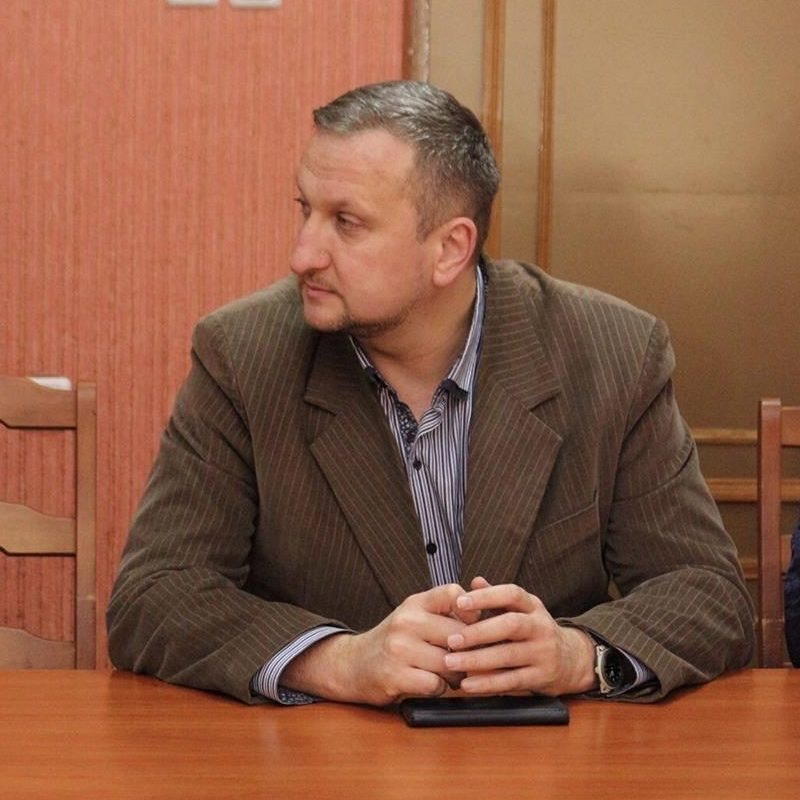
Kyiv, November 2026
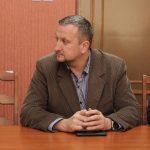
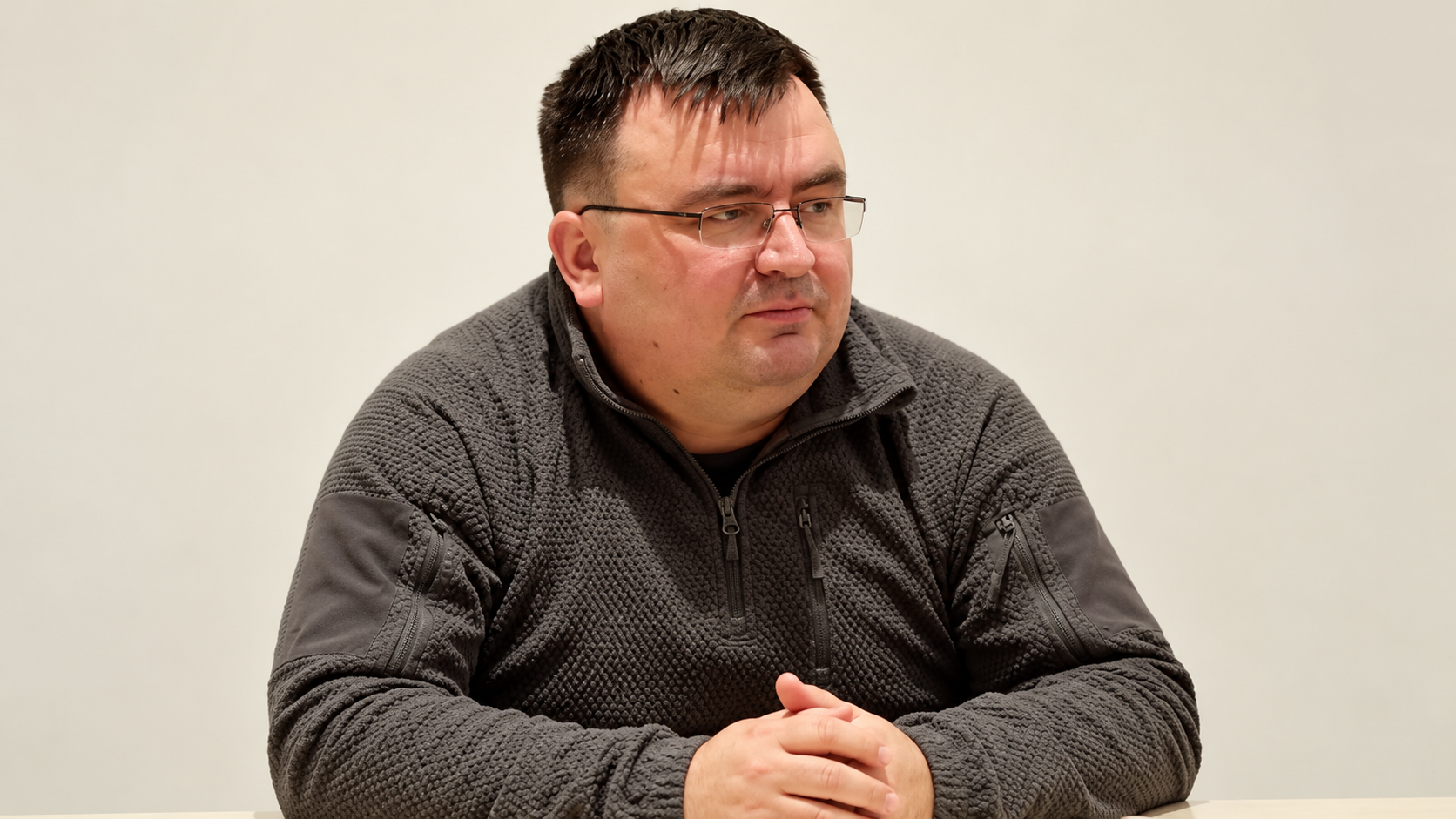
On November 5, a meeting of the Ukrainian Security Club “Integrated Nation” took place in Kyiv. The event was organized by the Ukrainian Security Club and the NGO “Foundation for Democracy Assistance” with the support of the Hanns Seidel Foundation’s Representative Office in Ukraine. One of the speakers was the head of the Ukrainian Security Club, military officer Yurii Mindiuk, who spoke about why national identity should be considered an element of national security.
In his assessment, since 2022, Ukraine has undergone a significant evolution in its perception of its own national identity, though the process of forming a cohesive community is not yet complete.
“Since 2022, Ukraine has undergone a very significant evolution in its self-perception, understanding of its identity, and its own national existence. In essence, we have begun to crystallize as the Ukrainian nation,” noted Yurii Mindiuk.
He noted that, in the past, regional identities were often pitted against the national identity. As an example, the speaker cited Odesa and Kharkiv, where, he said, pro-Russian sentiments remained evident even after the outbreak of full-scale war.
“Surveys were conducted: in Odesa, 18% supported a union with Russia in 2023. In Kharkiv, the figure was 15%. And this was in 2023, at the start of the massive bombings of these cities. Where is our ‘completed’ nation-building here? Where is the presence of a national identity?” asked Yurii Mindiuk.
At the same time, he said, regional identity should not contradict statehood: in any country, there must be a reasonable balance between the national and the regional.
Separately, the speaker emphasized the role of language and historical memory in the country’s defense. Military resilience, he believes, is impossible without society’s awareness of what it is fighting for.
“I frame the issue as a military man would: essentially, language and national identity are a line of defense. These are the boundaries of our defense project. Without this—without the understanding that we are fighting for our language and our shared history—our national project will remain incomplete,” he emphasized.
Among the challenges requiring attention, Yurii Mindiuk identified several trends. The first is the gradual return of pro-Russian sentiments to everyday life: from the language children speak to TV shows and music. The second is the resurgence of political discussions about the Russian language as a second official language, around which, he said, a political environment is once again beginning to form. The third is the rise of localism and regionalism, which could be exploited to undermine national unity.
“Little by little, a ‘Renaissance of Russian culture’ is taking place again. Here in Kyiv, we see how this is happening at the everyday level: children speak Russian, children watch Russian TV series, children listen to ‘Russian rap,’ and so on. This isn’t just happening in Kyiv, as I understand it. These are trends that need to be monitored; we need to address them and combat them,” the speaker emphasized.
In addition, according to Mindiuk, alongside Russian imperialism, Hungarian and Polish imperialism are also beginning to exert influence in the realm of Ukrainian identity, which could affect Ukrainian consciousness, culture, and historical memory. Among internal factors, he highlighted Ukrainian individualism and a national project that has not yet been sufficiently developed—which, in his view, is precisely what Russia was counting on.
“Identity is an element of national security. It is the weapon that holds the front line. And this must be emphasized at all levels, without fail. Language, national culture, and historical memory—all of these must be included in this framework,” Yurii Mindiuk emphasized.
In conclusion, he noted that victory in war is not measured solely by military results.
“And we need to realize that victory in war is measured not only by the kilometers of territory gained on the front lines, but also by the resilience of our unified ‘we,’” the speaker concluded.