Kyiv – Lviv, October 2026 The latest escalation in interstate relations, triggered by the Lviv Regional Council’s decision to honor the Ukrainian Insurgent Army, the figure of Roman Shukhevych, and the Ukrainian liberation movement, has revealed a profound asymmetry in the perception of their shared past. While Ukrainian society views the commemoration of UPA soldiers …
Kyiv – Lviv, October 2026
The latest escalation in interstate relations, triggered by the Lviv Regional Council’s decision to honor the Ukrainian Insurgent Army, the figure of Roman Shukhevych, and the Ukrainian liberation movement, has revealed a profound asymmetry in the perception of their shared past. While Ukrainian society views the commemoration of UPA soldiers as a natural exercise of its sovereign right to memory, the Polish political mainstreamused this decision as a pretext for informational and political pressure.
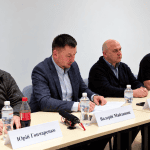
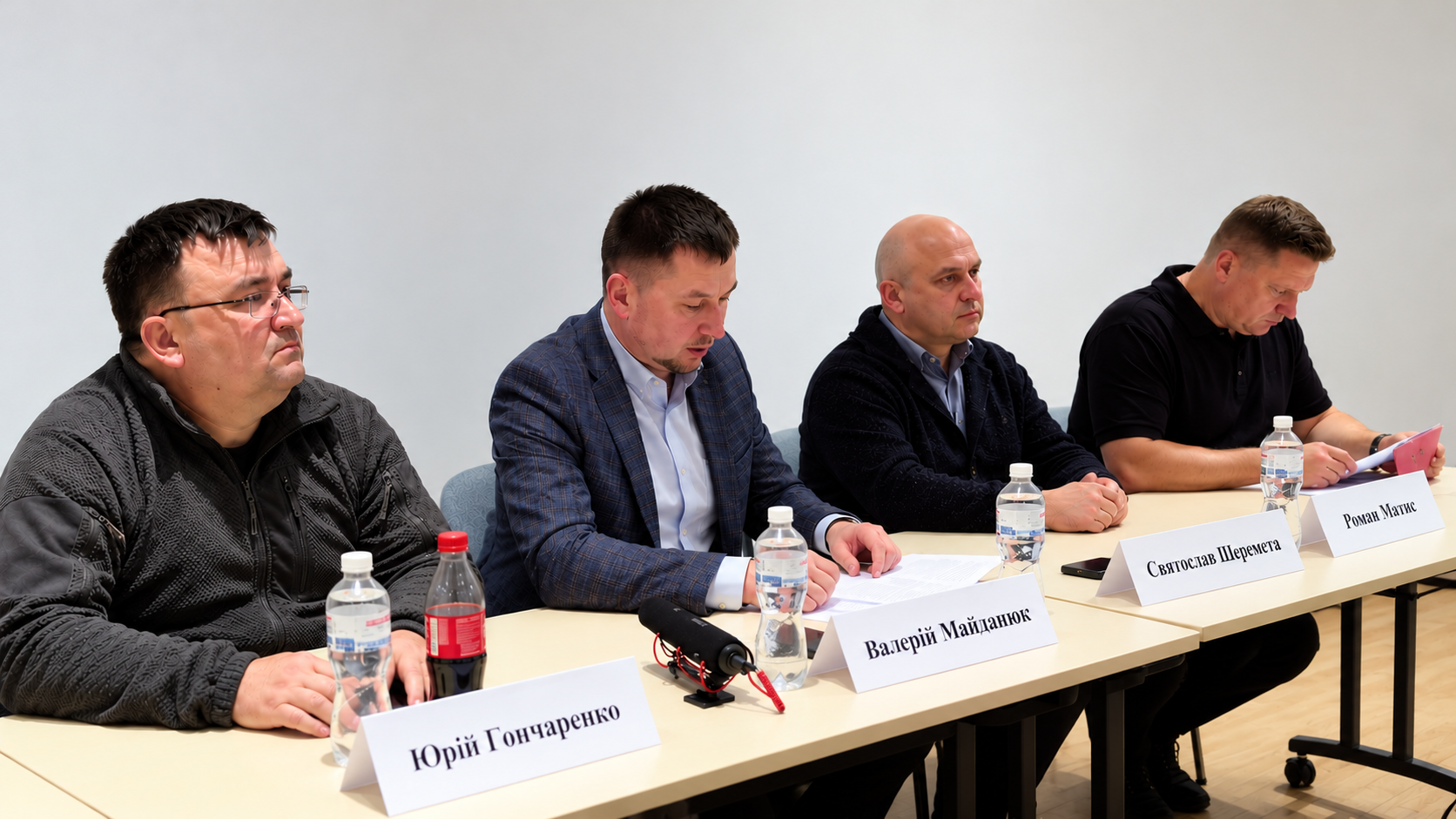
Relations between Kyiv and Warsaw were recently discussed during a meeting of the Ukrainian Security Club dedicated to the topic “The Right to One’s Own Memory: National Identity, Dialogue with Neighbors, and the Russian Factor.” Participants in the event included Sviatoslav Sheremeta, a member of the Lviv Regional Council and director of the “Dolia” Memorial and Search Center; Yurii Honcharenko, head of the InfoLight.UA Research and Analysis Group; Roman Matys, an economist and president of the International Investment Office; Mykola Posivnych, a historian and president of the “Chronicle of the UPA” Charitable Foundation; and Valerii Maidaniuk, a political scientist who moderated the discussion. The event was organized by the Ukrainian Security Club (UBC) in collaboration with the NGO “Foundation for Democracy Assistance,” with support from the Hanns Seidel Foundation in Ukraine and the InfoLight.UA Research and Analysis Group.
The Lviv Regional Council’s Decision and Poland’s Reaction: What’s Wrong?
On October 20, 2026, the Lviv Regional Council declared 2027 the Year of Roman Shukhevych, the Ukrainian Insurgent Army, and Oleg Olzhych. On the same day, a reaction came from Poland: Defense Minister Władysław Kosiniak-Kamysz called the decision “unacceptable,” while Prime Minister Donald Tusk called it a “suicidal tactic.”
Sviatoslav Sheremeta, a member of the Lviv Regional Council and director of the “Dolia” Memorial and Search Center, has been barred from entering Schengen Zone countries for five years. This was announced on October 21 on social media platform X by Marcin Kerwinski, Poland’s Minister of Internal Affairs and Administration. “At the request of Radosław Sikorski, S. Sheremeta has been added to the register of undesirable persons and is prohibited from entering and staying in the Schengen Area for a period of five years—until October 20, 2031,” the post reads .
The Lviv Regional Council’s decision is based on the practice of local self-government and, according to Sheremeta, is not anti-Polish in nature. He justifies his position, in particular, by citing a documented chronology of events from World War II.
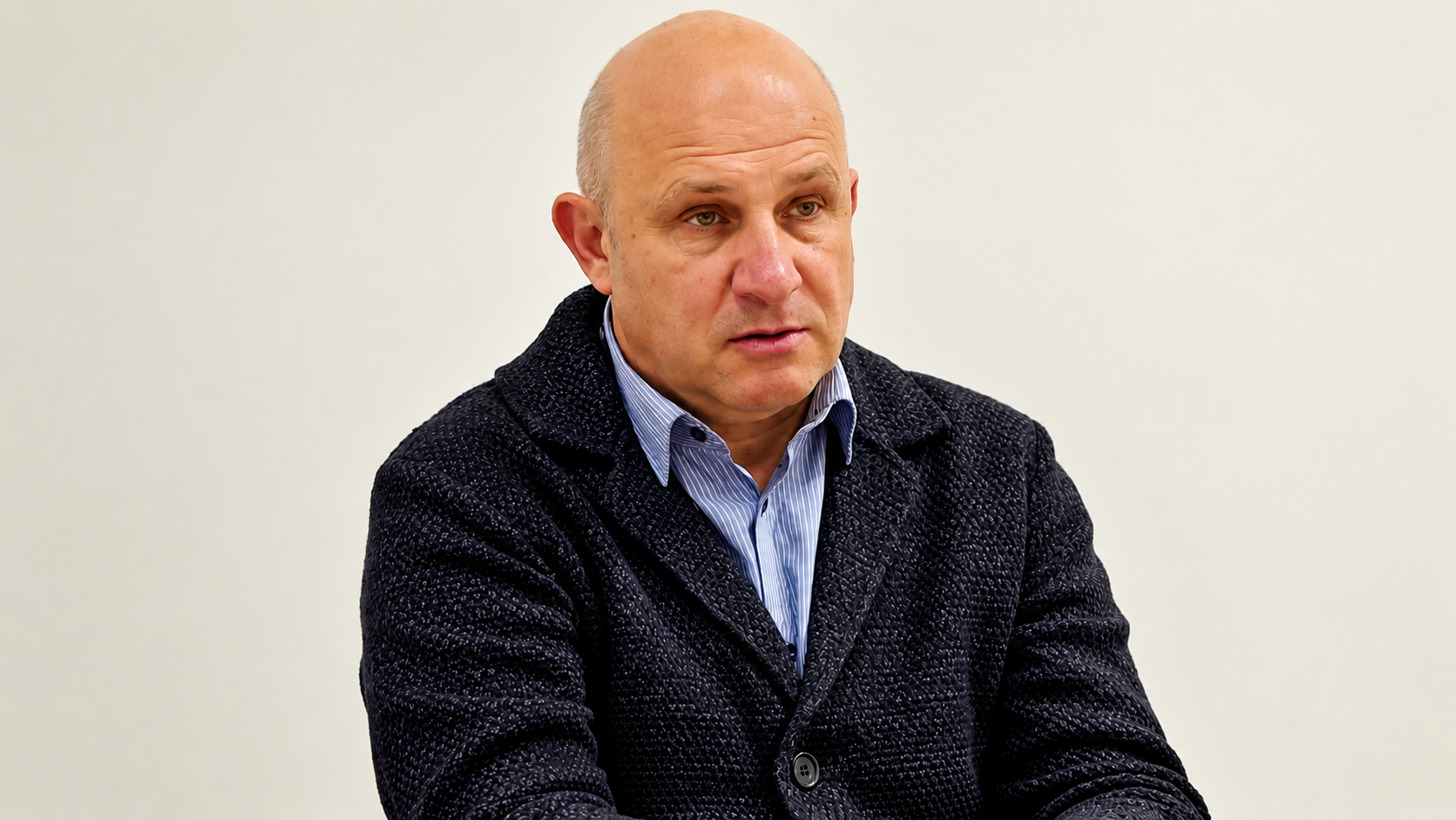
“With this decision, we wanted to honor the memory of those who fought for Ukraine’s freedom and independence—those who fought for Ukraine’s freedom and independence, those who made a significant contribution to making Ukraine an independent state… Roman Shukhevych took command of the Ukrainian Insurgent Army in November 1943. In accordance with a decision by the extraordinary assembly of the Organization of Ukrainian Nationalists, he became the supreme commander of the UPA, and all insurgent units were united under a single command… Roman Shukhevych took command of the Ukrainian Insurgent Army after the main events of the Volhynia tragedy had already unfolded.”
The expert emphasizes that Ukrainian researchers and officials consistently adhere to the principle of non-interference in the domestic political affairs of neighboring states and do not raise objections to Poland’s commemoration of figures from the Home Army or the Peasant Battalions, whose members were involved in crimes against the Ukrainian civilian population.
Using the example of research conducted in the Lublin Voivodeship, the researcher demonstrated the complexity and ambiguity of our shared past:
“During an expedition to Lask, , we managed to locate the site of mass graves of Ukrainians who were killed on March 10, 1944, by a unit of the Home Army and the Peasant Battalions. Of course, as Ukrainians, we do not like this, but we have never made statements or told our neighbors how to honor and treat their own history. And we would like to see a similar spirit of reciprocity toward us.”
“We forgive and ask for forgiveness”: Has this formula lost its relevance?
For three decades, the interstate agenda was based on the formula “we apologize and ask for forgiveness.” However, in the current political context, this concept, according to the participants in the discussion, risks becoming a tool for making unilateral claims, in which Ukraine is assigned the role of a party that must constantly justify its own tradition of liberation.
Mykola Posivnych, a historian, Ph.D. in History, and president of the “Chronicle of the UPA” Charitable Foundation, analyzed the shared legacy of occupation and the reasons behind the crisis of this diplomatic formula.
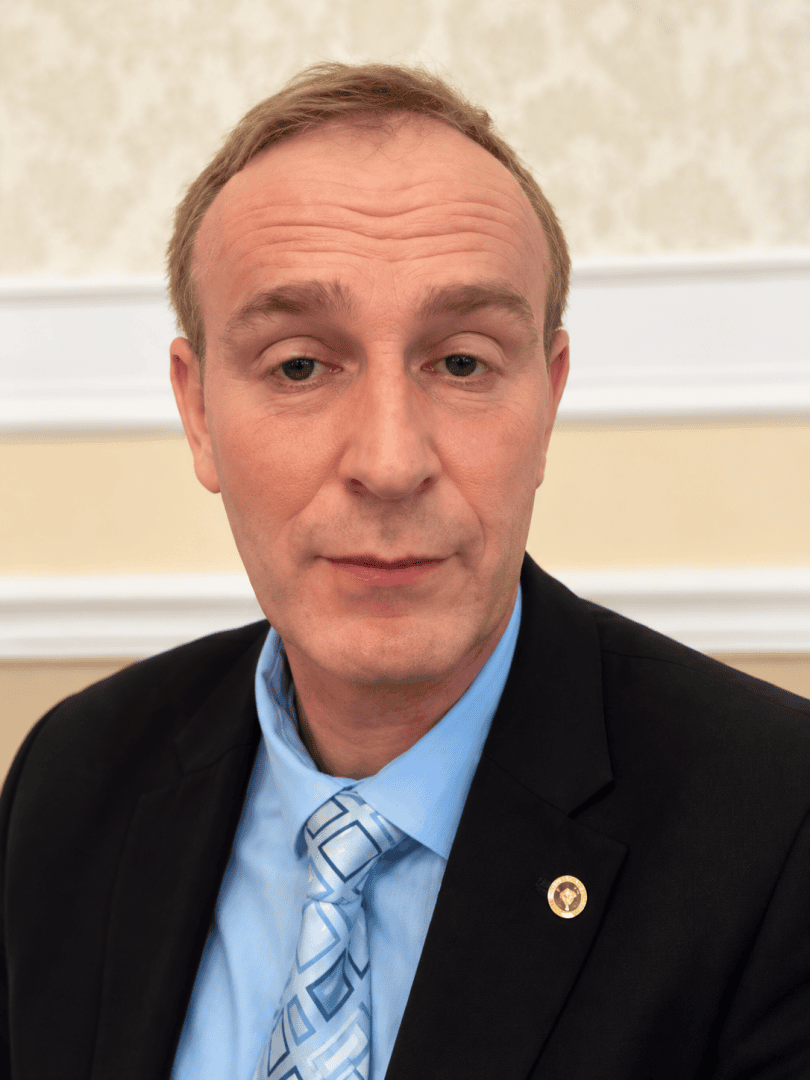
“When the Poles regained their independence, they effectively pursued a policy of national memory. The Ukrainians, unfortunately, did not have this concept of national memory. When Viktor Yushchenko first came to power, this was limited solely to the local issue of the Holodomor… Unfortunately, (in our discussions with the Polish side—ed.) we resorted to terminology such as ‘we ask for forgiveness’ and ‘we forgive.’ Unfortunately, this was interpreted by the Polish side to mean that Ukrainians are Germans and are guilty toward the Poles, while the Poles are a victimized nation and Ukrainians are obliged to apologize. Therefore, in this context, we must clearly understand that reconciliation or Polish-Ukrainian dialogue will be very difficult to achieve, because we see examples from 1993, 1998, 2003, 2008, 2013, 2018, and 2023, when Polish demands are made in the context of their state policy and the situation is always being escalated,” emphasizes Mykola Posivnych.
He adds that an equal dialogue will remain difficult until the Polish side is ready to conduct a comprehensive analysis of interwar policies toward Ukrainians, particularly events related to the West Ukrainian People’s Republic, pacification, and colonization.
The Economic Anatomy of Pressure: EU Agricultural Subsidies and an 8.7 Billion Euro Surplus
The intensification of the debate over historical memory on the part of the Polish political establishment has a clear macroeconomic subtext, according to Roman Matys, an economist, human rights activist, and president of the International Investment Office.
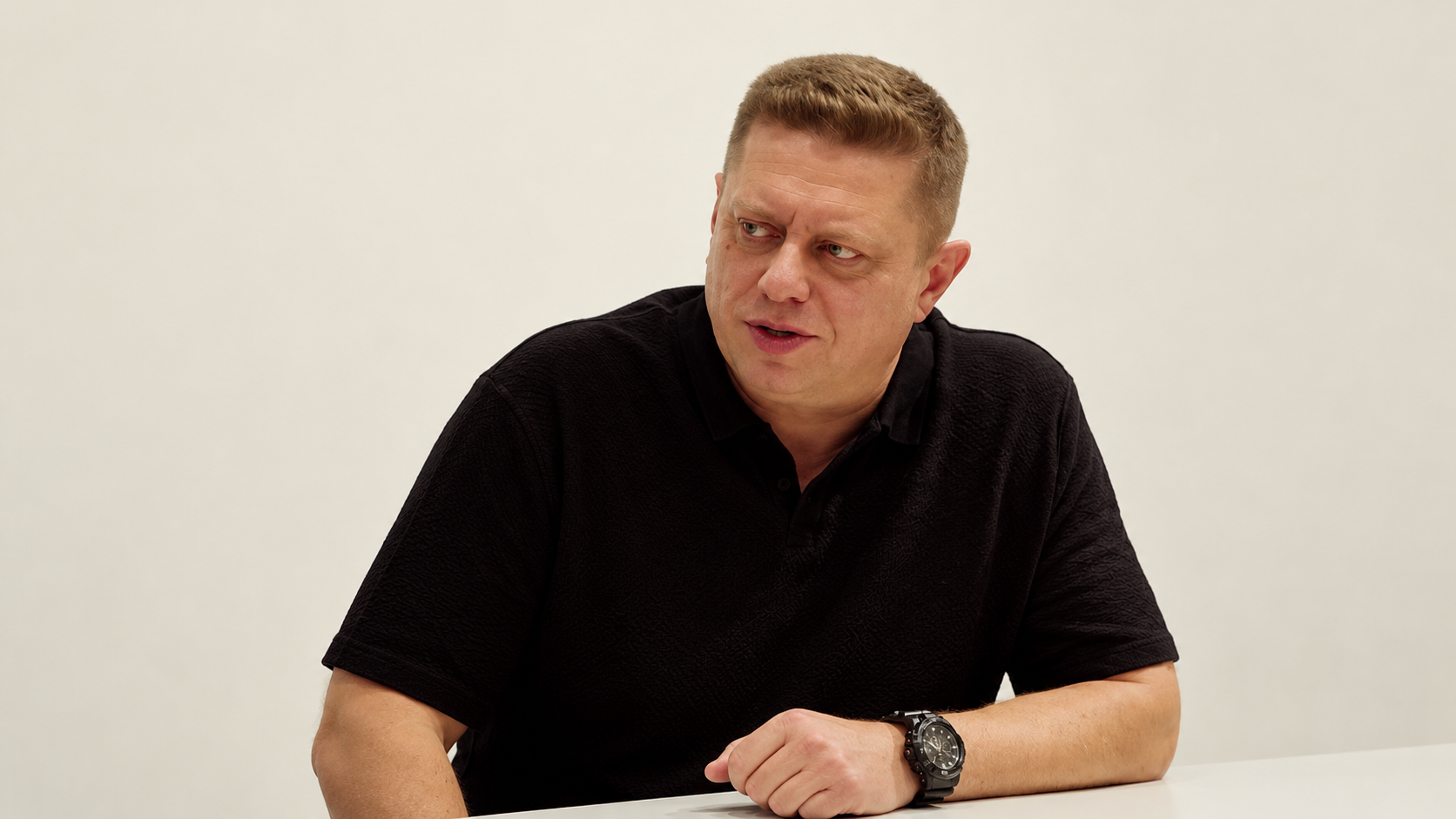
In his view, the prospect of negotiations on Ukraine’s sectoral integration with the EU will prompt Warsaw to use historical claims as a tool of protectionism aimed at preserving Poland’s dominant position in the European agricultural sector.
“The history of relations between Ukraine and Poland is not only a potential bargaining chip—it has been one since around 2010… Since joining the EU, Poland has received more than 161 billion euros in grants. From 2021 to 2027, Poland is set to receive 76 billion euros in subsidies from EU funds, of which 55 billion euros are subsidies for Polish farmers. “Are they their own enemies, that they would turn down such a ‘slice’?” he emphasizes.
According to the expert, the significant amount of European funding explains why Polish centrist and conservative parties are adopting ultra-nationalist slogans. Creating artificial obstacles in EU negotiation clusters under the pretext of “historical claims” may be a way to secure lengthy transition periods and restrict Ukrainian agricultural products’ access to the EU market.
At the same time, the narrative about the “losses” Poland allegedly suffers due to Ukrainian exports needs to be compared with actual bilateral trade figures, which, according to data cited by the expert, indicate significant economic benefits for Poland.
In describing the state of trade between the countries, Roman Matys cited the following export and import figures:
“Exports from Ukraine to Poland in 2025 totaled 4.6 billion euros, while imports from Poland to Ukraine amounted to 13.4 billion euros. Poland has a trade surplus of 8.7 billion euros,” says Roman Matys.
Poland’s positive bilateral trade balance of 8.7 billion euros demonstrates the significant economic benefits that Polish businesses derive from trade with Ukraine. Border blockades and manipulations surrounding historical memory can be viewed as manifestations of protectionism that contradict the logic of a mutually beneficial partnership. According to the expert, elevating historical disputes to the level of government leadership may be a convenient way to advance pragmatic interests in relations with Brussels.
The Kremlin’s Hybrid Influence: How Artificial Disputes Among Allies Pose Threats to European Security
Historical claims and accusations regarding the commemoration of Ukrainian national heroes can be used to justify protectionism and political pressure. Yurii Honcharenko, head of the InfoLight.UA Research and Analysis Group, spoke during an analytical panel about the mechanisms of Russian cognitive influence on European policymakers, analyzed the risks of the political mainstream shifting toward populism, and warned allies against a false sense of security should Ukraine’s defense capabilities weaken.
Attempts to turn Ukraine’s exercise of its sovereign right to honor the soldiers of the liberation movement into a matter of interstate conflict, according to the participants in the discussion, could be used to exacerbate tensions. In such a case, historical claims become a tool of political struggle, threatening the unity of the coalition of states opposing Russian aggression.
Describing Russian influence on European politics, the head of the analytical group noted:
“As for Russia, we need to take a slightly broader view here: Russian influence is felt not only in Poland but throughout Europe. To illustrate: mainstream politicians are shifting toward populism, as seen in France, Italy, and Germany. Those who have been directly funded by Russia or supported by Russia are becoming part of the mainstream,” says Yurii Honcharenko.
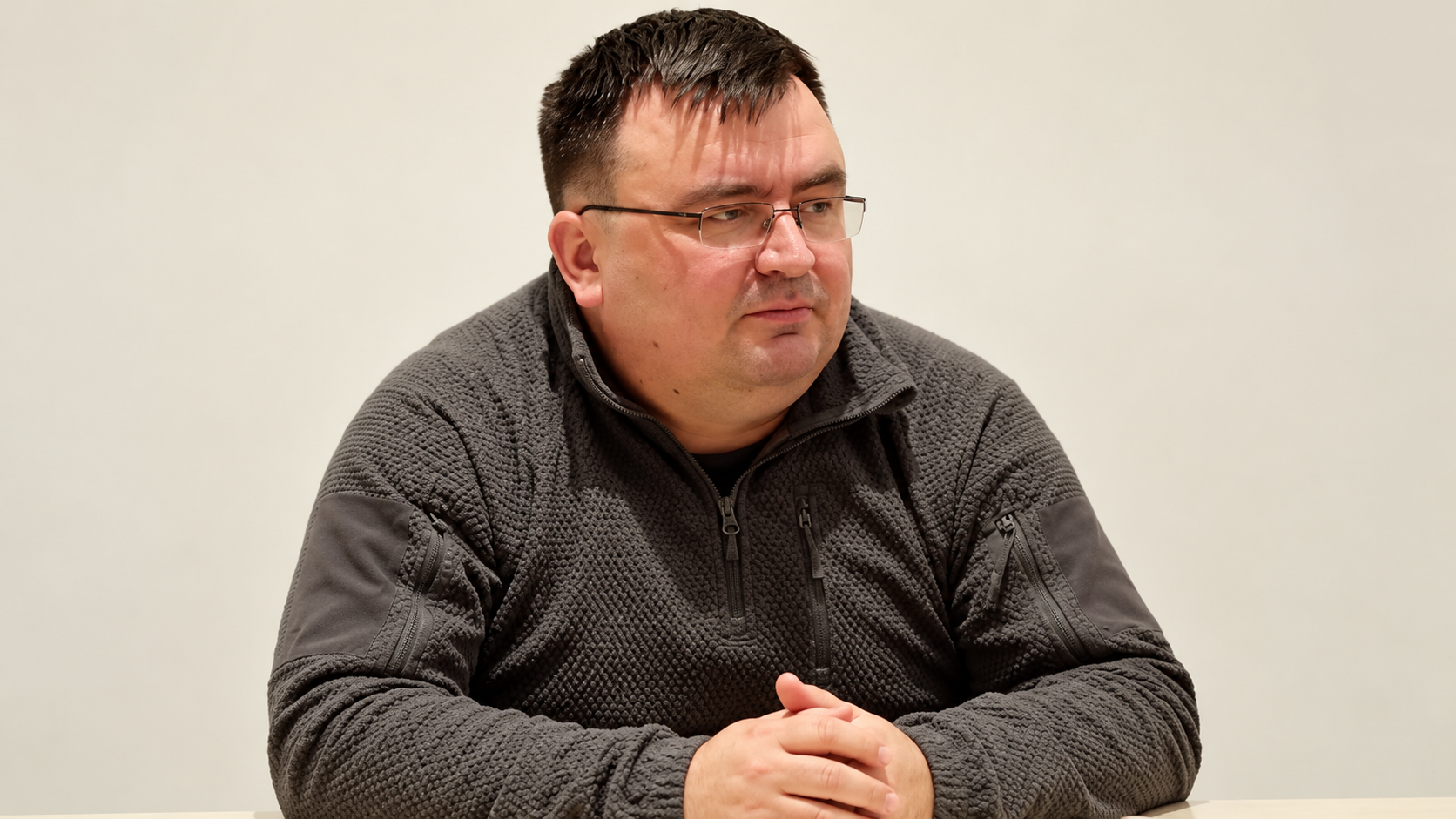
According to the expert, the Kremlin’s financial support and propaganda influence on European political processes pose threats not only to Ukraine’s diplomatic positions but also to the stability of the European security system. The strengthening of political forces that promote the aggressor’s interests could weaken Western solidarity and undermine shared democratic values.
According to the participants in the discussion, underestimating Ukraine’s role in deterring Russian aggression creates a false sense of security among European partners. The weakening of the Ukrainian state as a result of intra-European disputes or economic blockades could intensify the military threat to NATO member states.
“Yes, Russia is planning this, and the Poles should understand that Ukraine currently stands between them and war. If Ukraine falls—God forbid—war will reach them almost instantly,” he reminds them.
According to the expert, the rise of populist tendencies in European politics creates favorable conditions for Russia’s continued aggressive policy. Maintaining Ukraine’s defense capabilities and the resilience of its information space are critical factors for the security of NATO countries and the EU’s eastern flank.
“The battle for discourse” must not be postponed until the end of martial law
Contemporary international politics is increasingly based on pragmatic interests, and concessions on issues of national identity may be perceived not as a sign of goodwill, but as a sign of weakness. According to political scientist and military officer Taras Radia, agreeing to external influence on the formation of the national pantheon will not necessarily stop the pressure, but may create the conditions for further concessions in the agricultural, transportation, and energy sectors during negotiations on accession to the European Union.
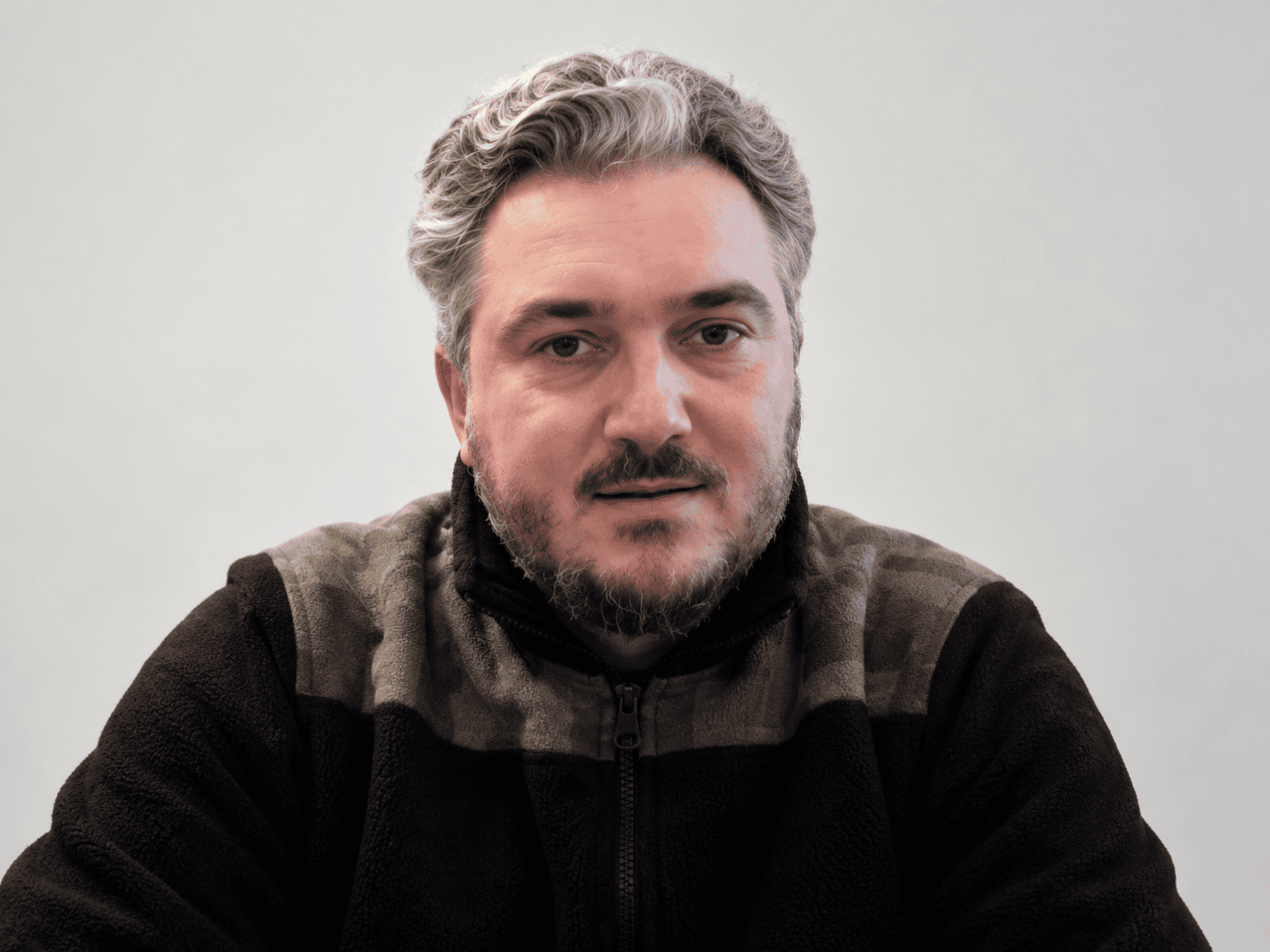
“The Poles have been waging a war over discourse since 2023, setting the rules of the game, while Ukrainians are forced to constantly justify themselves and play catch-up. If we concede the narrative of the liberation movement, we will next concede the agricultural, transportation, and energy sectors.”
Instead of constantly responding to complaints, Ukrainian diplomacy, according to the participants in the discussion, should more actively raise issues of historical policy and the protection of national interests at the international level, particularly in connection with forced Polonization.
“If Ukraine does not learn to develop its own rational, pragmatic model for defending its interests—ranging from humanitarian issues to economic and security matters—then it doesn’t matter where we join — whether it’s the European Union, NATO, bilateral relations with Poland, Hungary, Romania, Moldova, or ultimately with Russia… We will never be able to uphold any kind of parity or equality unless we, as a state and as a society, develop a consensus on common basic principles, and a national interest—which are red lines for us as a state and a society, and on which we cannot compromise or bargain,” says the servicemember.
At the same time, the expert agrees that concessions are possible in any negotiation process, but they should not come at the expense of national sovereignty. He believes that, provided there is an equal dialogue, the parties could agree to postpone discussions on historical policy until the postwar period.
“If the logic of equal, parity-based relations were in effect, we would simply agree to postpone the discussionof historical policy until after the war. In other words, we would agree to impose a moratorium and return to this issue once the active phase of Russian aggression against Ukraine has ended. But we see a policy from Warsaw that is completely diametrically opposed to this,” emphasizes Taras Rad.
Sovereignty of Memory
The right to one’s own history is one of the key markers of state sovereignty. As the discussion moderator, political scientist Valerii Maidaniuk, noted, attempts to renounce one’s own liberation movement under external pressure can weaken the internal cohesion of society.
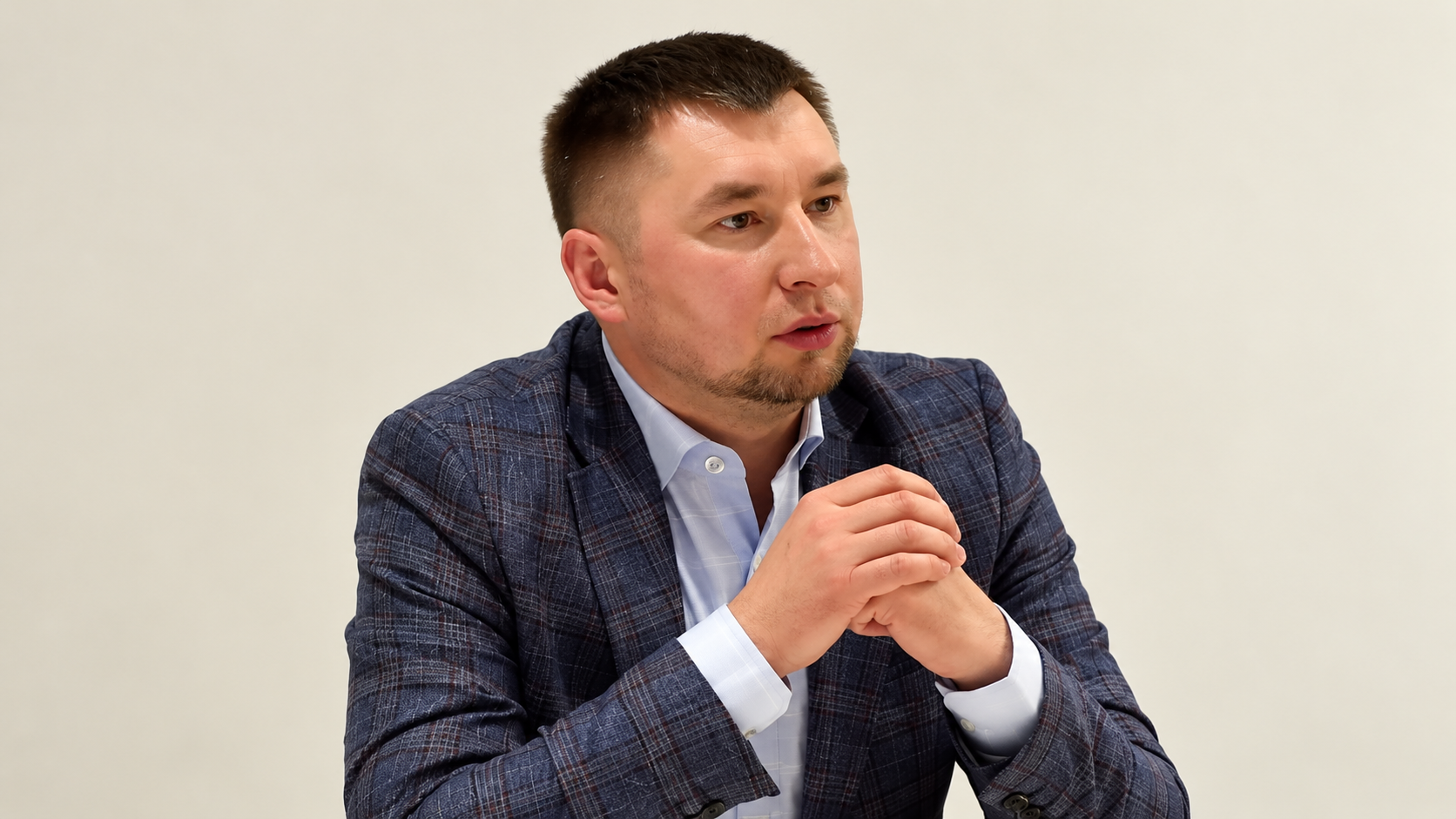
“A country that lacks its own perspective on history will face the problem of other countries shaping that perspective for it. If Kyiv and Warsaw allow historical conflicts to define their current relations, it will be a strategic mistake that the Kremlin will exploit,” he emphasizes.
Maidaniuk emphasized that Ukraine’s position is not about seeking new enemies or engaging in mutual insults. It is about society’s right to independently define its values, to honor the heroes and victims of its own history, and to build partnerships with its neighbors on the basis of equality.
For reference. Analytical longread was prepared based on materials from the panel discussion “The Right to One’s Own Memory: National Identity, Dialogue with Neighbors, and the Russian Factor,” organized by the Ukrainian Security Club (UBC) in collaboration with the NGO “Foundation for Democracy Assistance” and with the support of the Hanns Seidel Foundation in Ukraine and the InfoLight.UA Research and Analysis Group (October 2026, Kyiv).