On July 20-21, President of the Republic of Belarus Alyaksandr Lukashenka paid a two-day visit to Ukraine and met with the Ukrainian president. As a result of the meeting, the two sides signed a number of mutually beneficial economic agreements to increase imports and exports, industrial cooperation, electricity, agricultural machinery, and aircraft construction. Lukashenko confirmed …

On July 20-21, President of the Republic of Belarus Alyaksandr Lukashenka paid a two-day visit to Ukraine and met with the Ukrainian president.
As a result of the meeting, the two sides signed a number of mutually beneficial economic agreements to increase imports and exports, industrial cooperation, electricity, agricultural machinery, and aircraft construction. Lukashenko confirmed that the meeting with Poroshenko was highly effective: “The conversation was extremely confidential and very specific.”
As part of the talks, the Ukrainian side again briefed Minsk on current events in Donbas, and the President of Ukraine emphasized Russia’s role in the current escalation of the conflict.
The arrival of the Belarusian president in Kyiv was accompanied by street protests. On July 20, at around 12.00, Ukrainian nationalists protesting against the abduction from Ukraine and subsequent detention in Belarus of Belarusian volunteer Taras Avatarov, who was a member of the ‘Right Sector’ battalion, took place on Bankova Street. This action was preceded by a press conference on the subject organized by representatives of the OUN.
Background
Ukrainian-Belarusian relations deteriorated somewhat in 2014-2017 as a result of Russia’s annexation of Crimea and the conflict in Donbas. These events were repeatedly commented on by the Belarusian President in a rather controversial manner, while some senior Belarusian officials made negative statements about the Ukrainian Maidan. Ukraine is also concerned about the Russian-Belarusian military exercises scheduled for the fall of 2017 in Belarus. Lukashenko himself calls these exercises “an important step towards strengthening the security of Belarus.”
Reasons for the visit:
- Formally, it is purely economic issues, first of all, the decline in trade between Ukraine and the Republic of Belarus in previous years, despite the fact that in the first half of 2017, Ukraine’s potato exports grew by 68%, and 95% of exports went to Belarus;
- In fact, it is also the issue of escalation of hostilities in Donbas;
- It is also likely that they will discuss the joint Russian-Belarusian military exercises “West-2017” scheduled for September, in which more than 10 thousand soldiers from Russia and Belarus are expected to participate, and Lukashenko will declare guarantees of non-interference in the situation in Ukraine during the exercises.
- This visit is mutually beneficial for both Ukraine and Belarus, as the former is looking for diplomatic allies against Russia in the traditionally Russian sphere of influence, while the Belarusian president is seeking to restore his subjectivity and ability to negotiate in the eyes of Western leaders.
FORECAST
In the short term:
- Increase in trade turnover between Ukraine and Belarus, expansion of freight transportation logistics between Belarus and Ukraine.
- Strengthening of A. Lukashenko’s populist, “reconciliation” and at the same time pro-Russian rhetoric during and after the joint Belarusian-Russian exercises in the fall of 2017
- Strengthening cooperation between Ukrainian nationalists and opposition Belarusian socio-political forces, reviving the geopolitical concept of the Intermarium.
In the medium term:
- Intensification of indirect negotiations between the leader of Belarus and representatives of Western states and international organizations in order to demonstrate to them the independence and subjectivity of the Belarusian leadership.
- Complication of the domestic political situation in Belarus: numerous protests by national-patriotic and pro-European NGOs;
- Increased political, trade and economic pressure on the leadership of the Republic of Belarus
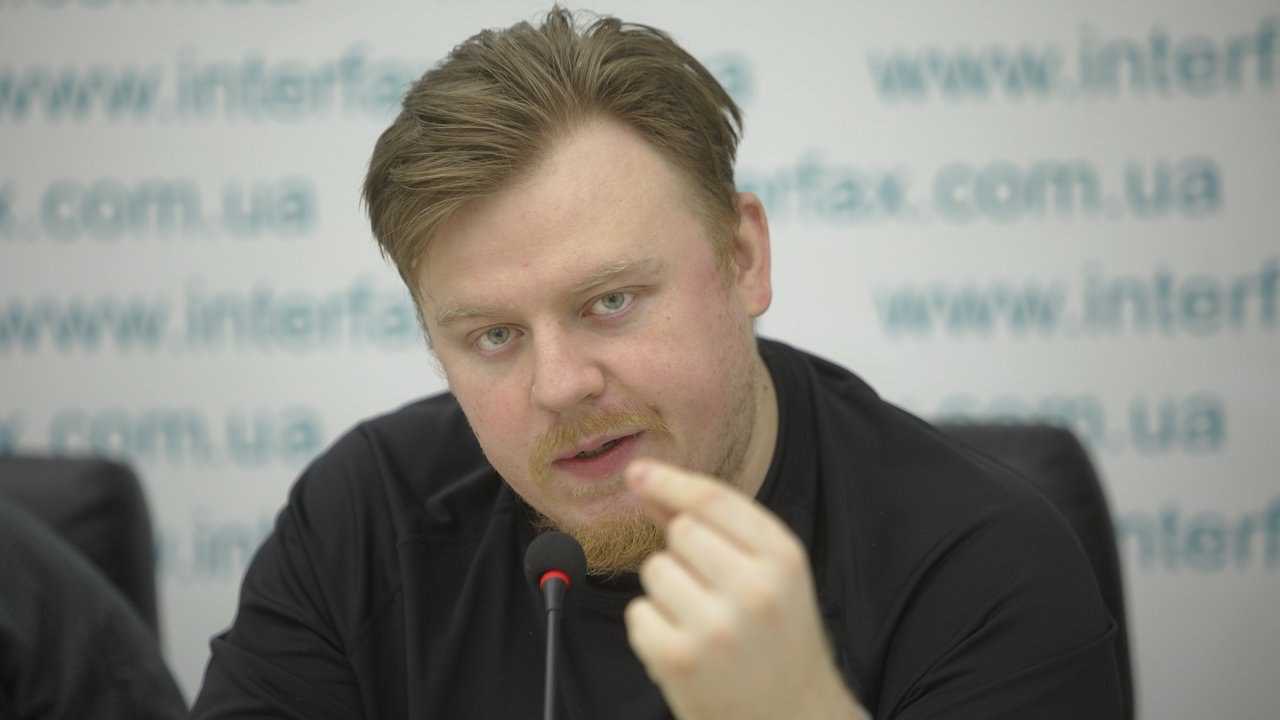
Oleksiy Kurinnyi, expert, member of the FPDI Board