Historical disputes between Ukraine and Poland should not be used as a tool for political pressure or undermine the partnership between the two countries, which share common security interests. Political scientist Valerii Maidaniuk expressed this position during an expert discussion titled “The Right to One’s Own Memory: National Identity, Dialogue with Neighbors, and the Russian …
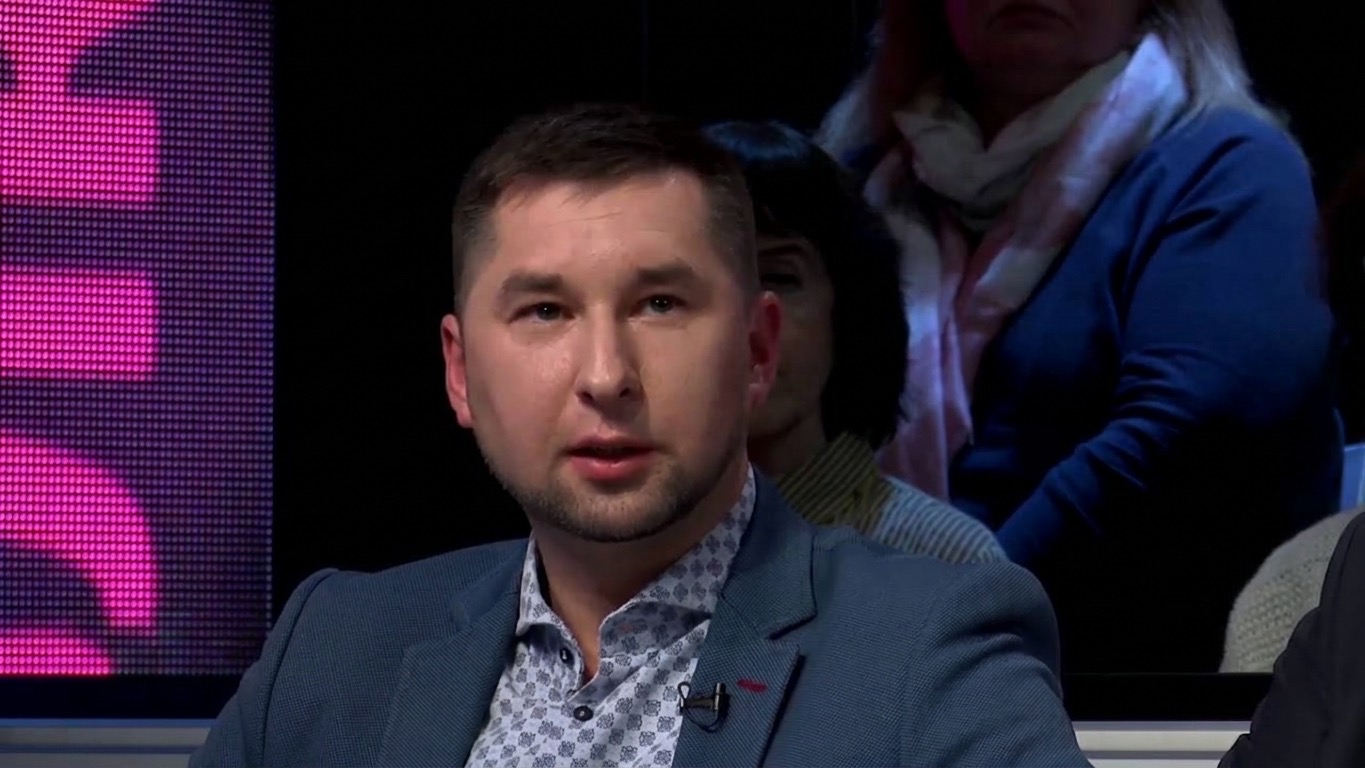
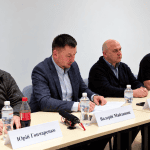
Historical disputes between Ukraine and Poland should not be used as a tool for political pressure or undermine the partnership between the two countries, which share common security interests. Political scientist Valerii Maidaniuk expressed this position during an expert discussion titled “The Right to One’s Own Memory: National Identity, Dialogue with Neighbors, and the Russian Factor.” The event was organized by the Ukrainian Security Club and the NGO “Foundation for Democracy Assistance.”
The key topics of discussion were Ukraine’s right to independently define its own historical memory, the risks of politically exploiting the past, and the impact of Ukrainian-Polish disputes on European security.
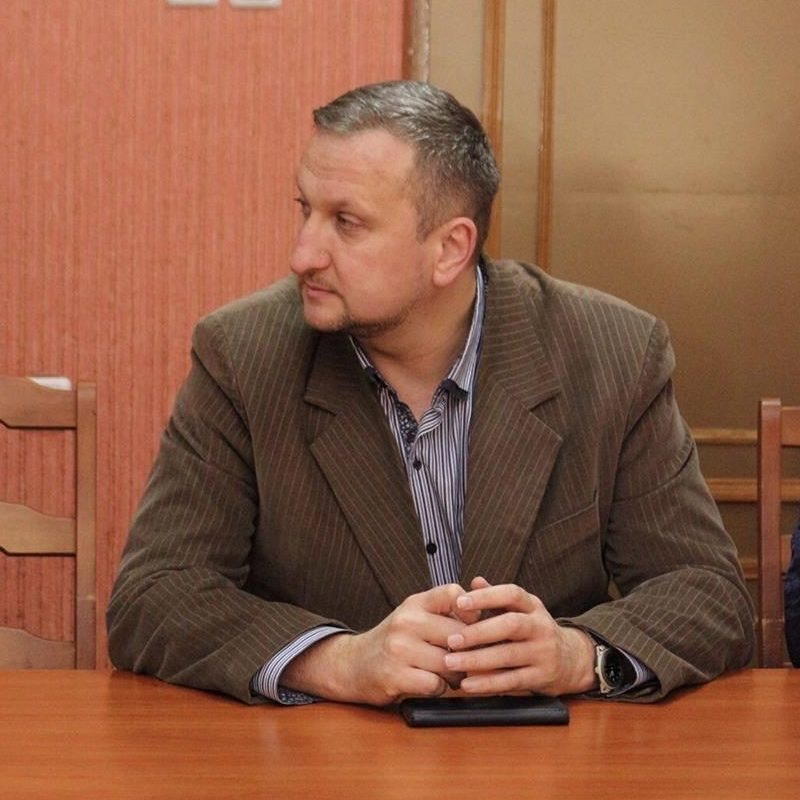
According to Maidaniuk, the current crisis in bilateral relations extends far beyond disputes over individual historical figures or decisions by local government bodies. The answer to the question of who is to blame for the scandal surrounding the Lviv Regional Council’s decision to honor Roman Shukhevych and the UPA—or the disproportionate reaction of Polish politicians—will determine how this dispute ends. He identified another issue as fundamental: who has the right to determine how Ukrainians remember their own history.
History as a Tool of Pressure
The political scientist noted that historical issues are increasingly being used in domestic political struggles, to mobilize voters, and to exert pressure on Ukraine regarding other matters, particularly European integration and economic competition. It is particularly alarming that this is happening against the backdrop of Russian aggression. Poland is one of Ukraine’s key partners and, at the same time, is itself among the countries threatened by Russian expansion.
“Russia has an interest in ensuring that Ukrainians and Poles view one another primarily as historical adversaries rather than as neighbors with shared security interests,” Maidaniuk emphasized.
The Right to One’s Own Memory
According to him, the pursuit of reconciliation does not mean unilateral concessions on Ukraine’s part. Respect for Polish historical memory must go hand in hand with respect for Ukrainian history and national symbols. Complex issues cannot be resolved by calls to “forget the grievances”; what is needed is dialogue, research into the past, and mutual respect—not political blackmail based on historical traumas.
Maidaniuk described the right to one’s own historical memory not only as a cultural issue but also as a component of national sovereignty. If a state cannot independently come to terms with its past, its symbols and interpretations become the subject of external bargaining.
Common Interests
The political scientist warned that disputes over the past could push security, defense, economic cooperation, and countering Russian aggression off the agenda. “If Kyiv and Warsaw allow historical conflicts to define their current relations, it will be a strategic mistake that the Kremlin will exploit,” he said.
According to him, the goal of Ukraine’s position is not to deepen resentment, but to defend society’s right to independently define its values, honor its heroes and victims, and build partnerships with its neighbors on the basis of equality.