On October 24, 2017, a roundtable discussion was held in the fireplace hall of the caponier #2 of the National Historical and Architectural Museum "Kyiv Fortress", organized by the Information Center "Intermarium " (a public initiative of the NGO "Foundation for Support of Democratic Initiatives") in cooperation with the National Historical and Architectural Museum "Kyiv …
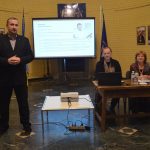
On October 24, 2017, a roundtable discussion was held in the fireplace hall of the caponier #2 of the National Historical and Architectural Museum “Kyiv Fortress”, organized by the Information Center “Intermarium ” (a public initiative of the NGO “Foundation for Support of Democratic Initiatives”) in cooperation with the National Historical and Architectural Museum “Kyiv Fortress” and the Club “Gazeta Polska” in Kyiv with the assistance of the NGO “United Union of Patriots of Ukraine”.
Oksana Novikova-Vyhran, Director of the Kyiv Fortress Museum, welcomed the participants of the event. In her speech, she noted that the choice of venue for an event dedicated to Polish-Ukrainian relations is quite symbolic, as there is a lot that connects the museum’s buildings with the Poles in Kyiv.
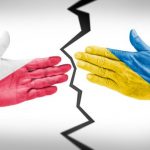
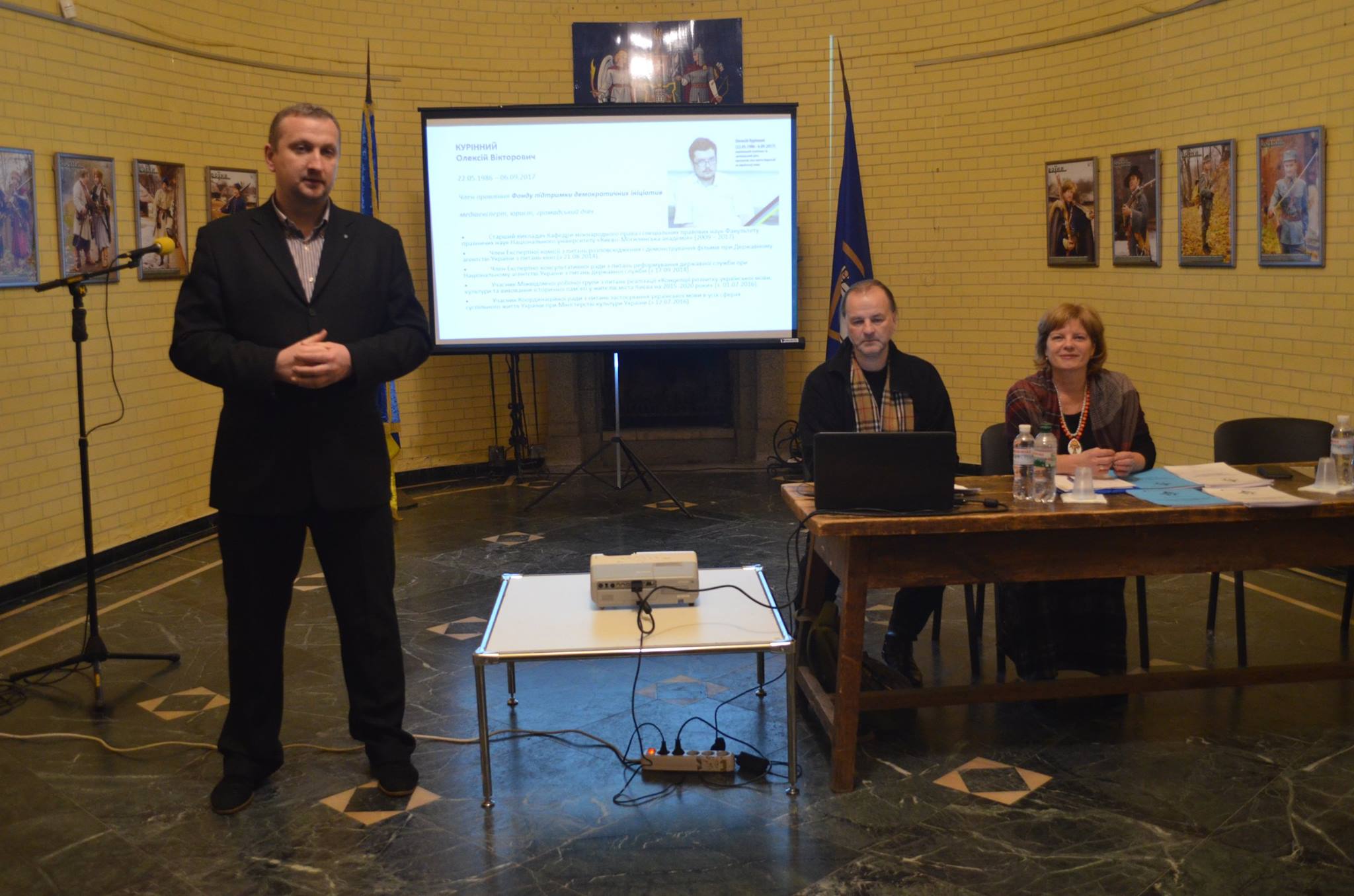
After the welcoming remarks, the moderator of the event, expert of the IC “Intermarium” Yuriy Mindyuk reminded the audience of the terrible tragedy in which two co-founders of the IC “Intermarium” – experts Oleksiy Kurinnyi and Oleksandr Nikonorov– died on September 6. The event was also the result of a series of meetings related to the issues of Ukrainian-Polish relations organized by the IC “Intermarium” in 2017. Polish-Ukrainian relations are in Russia’s field of vision and influence, so Poland and Ukraine should make efforts to remove the negative and add positive to the relationship, in particular in the context of historical memory.
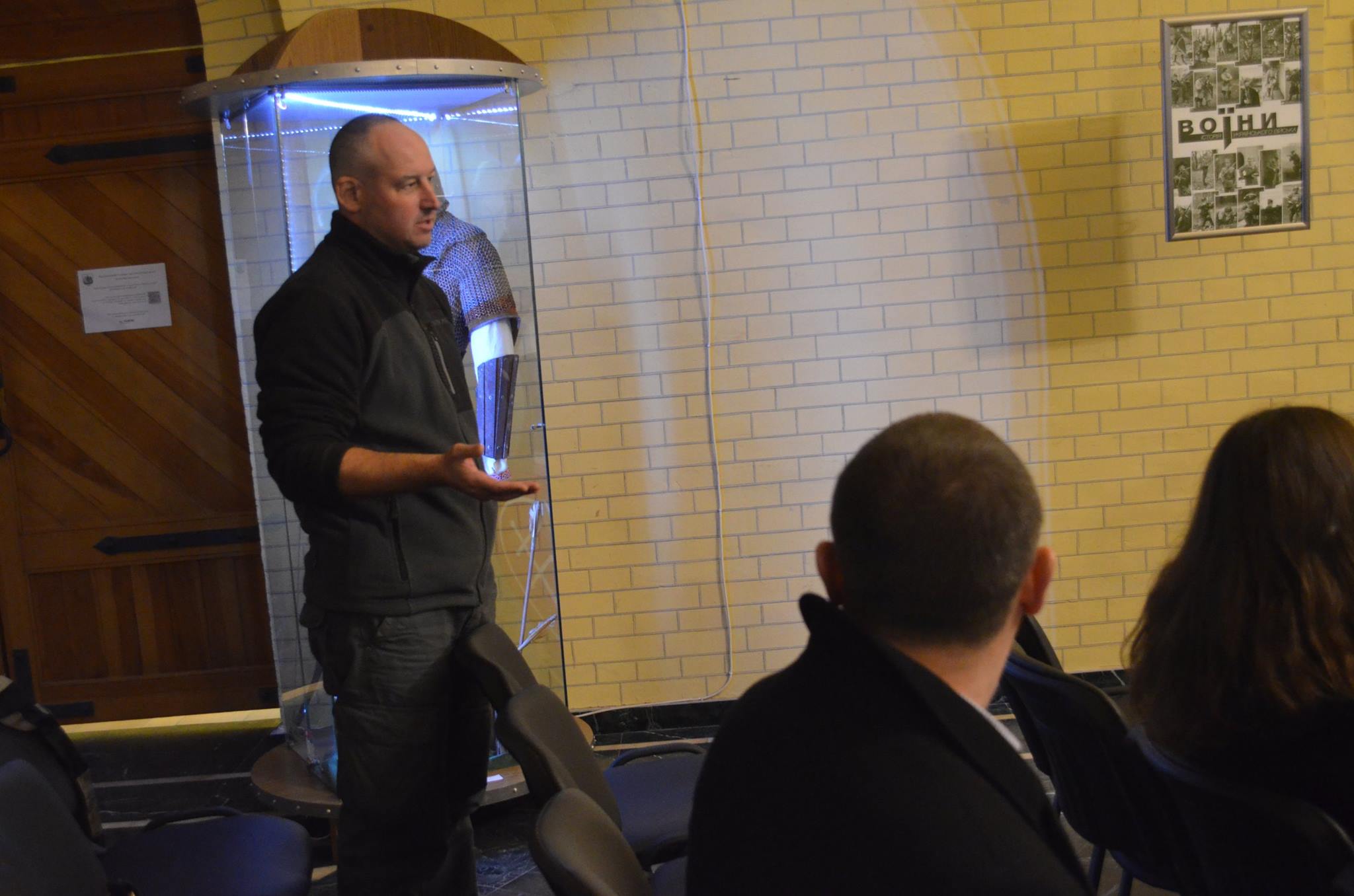

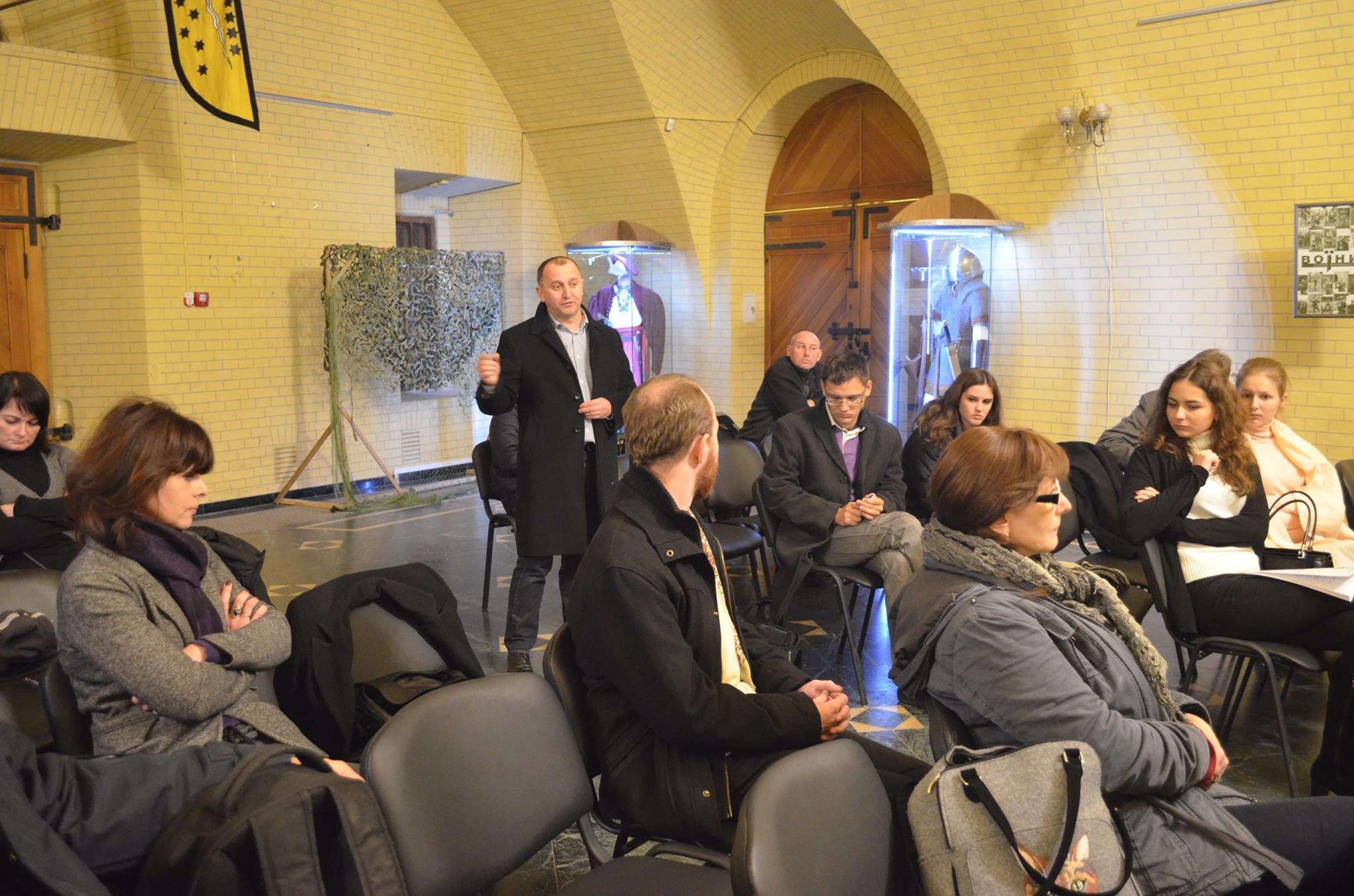
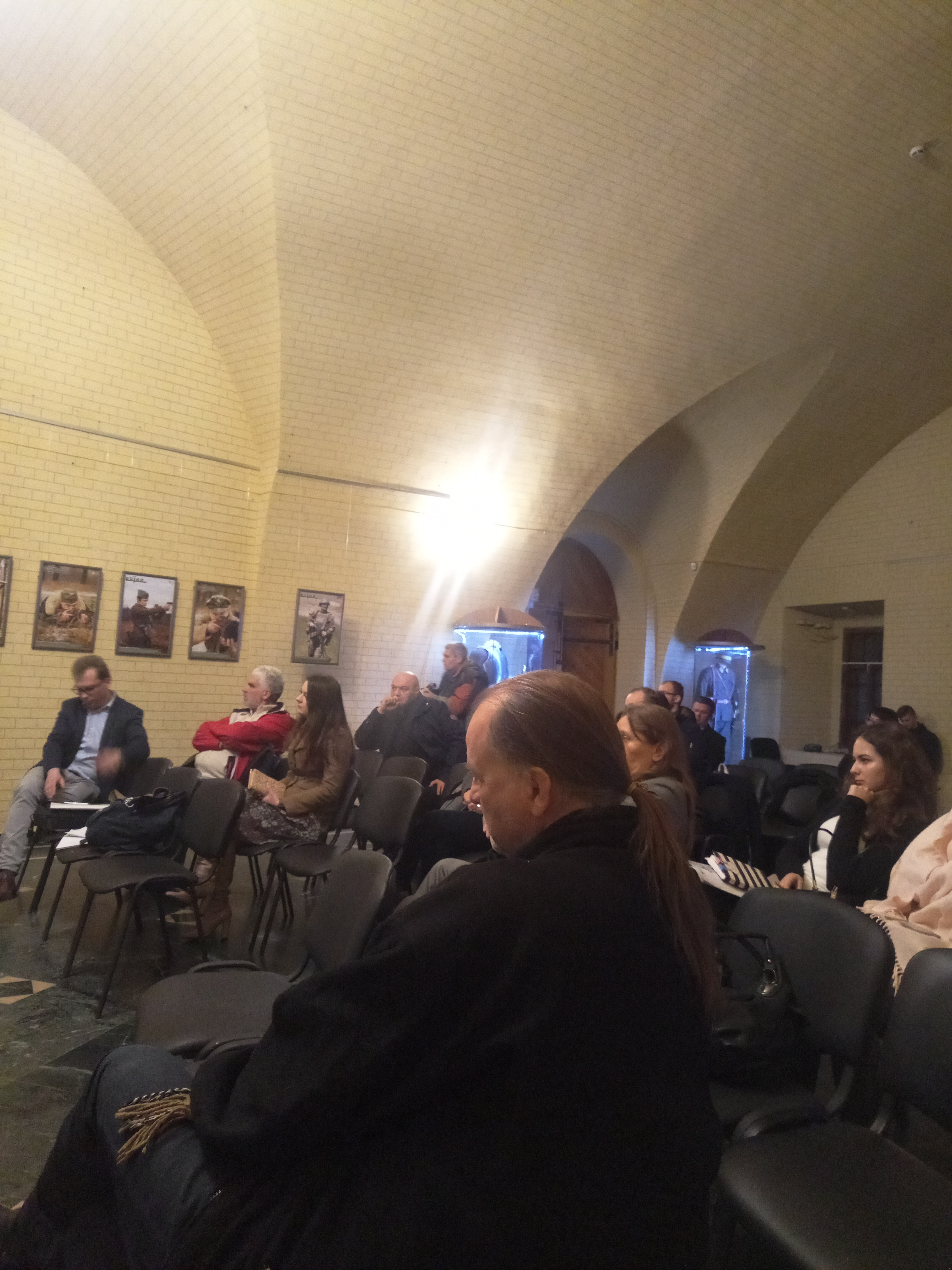
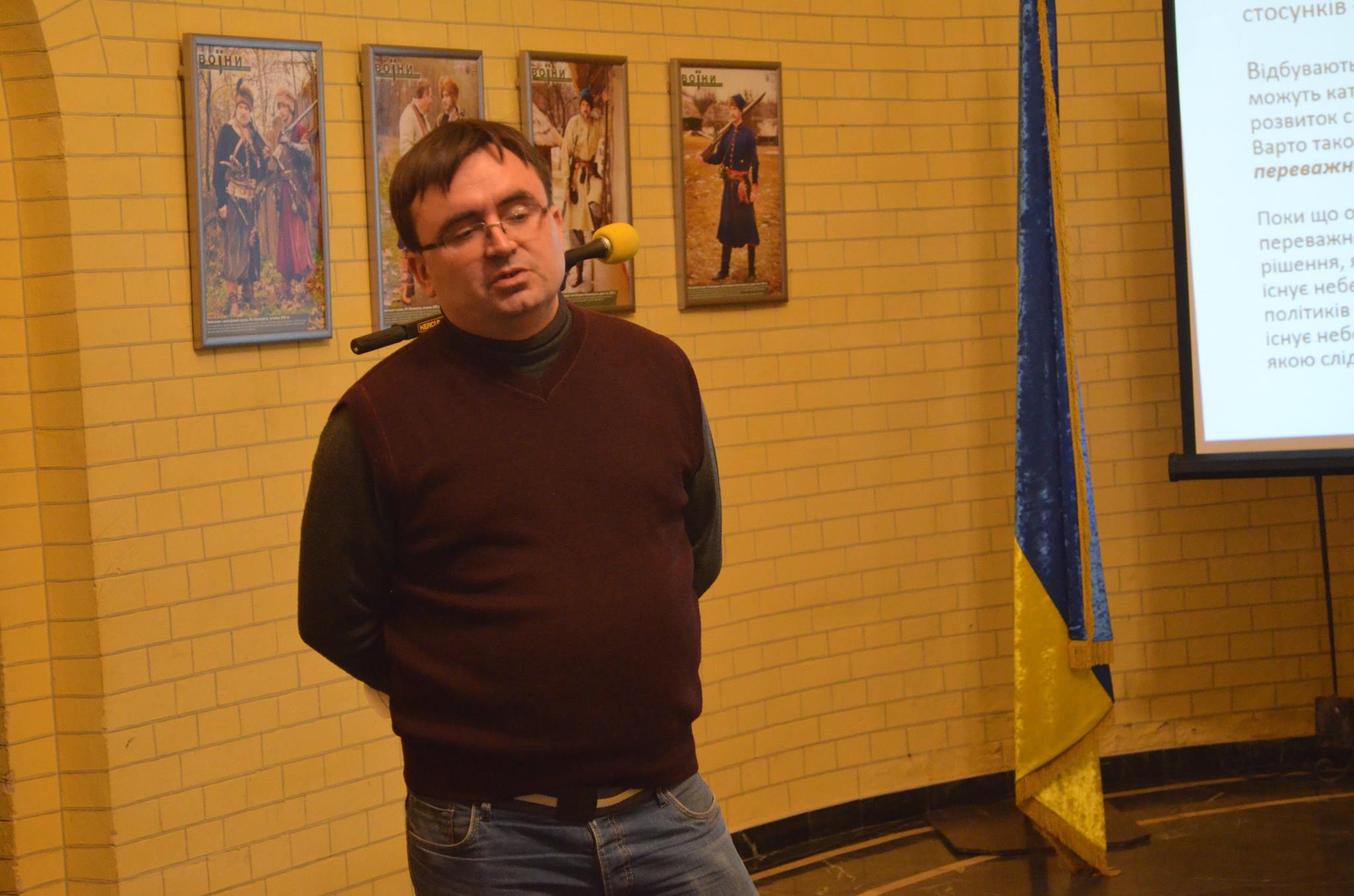
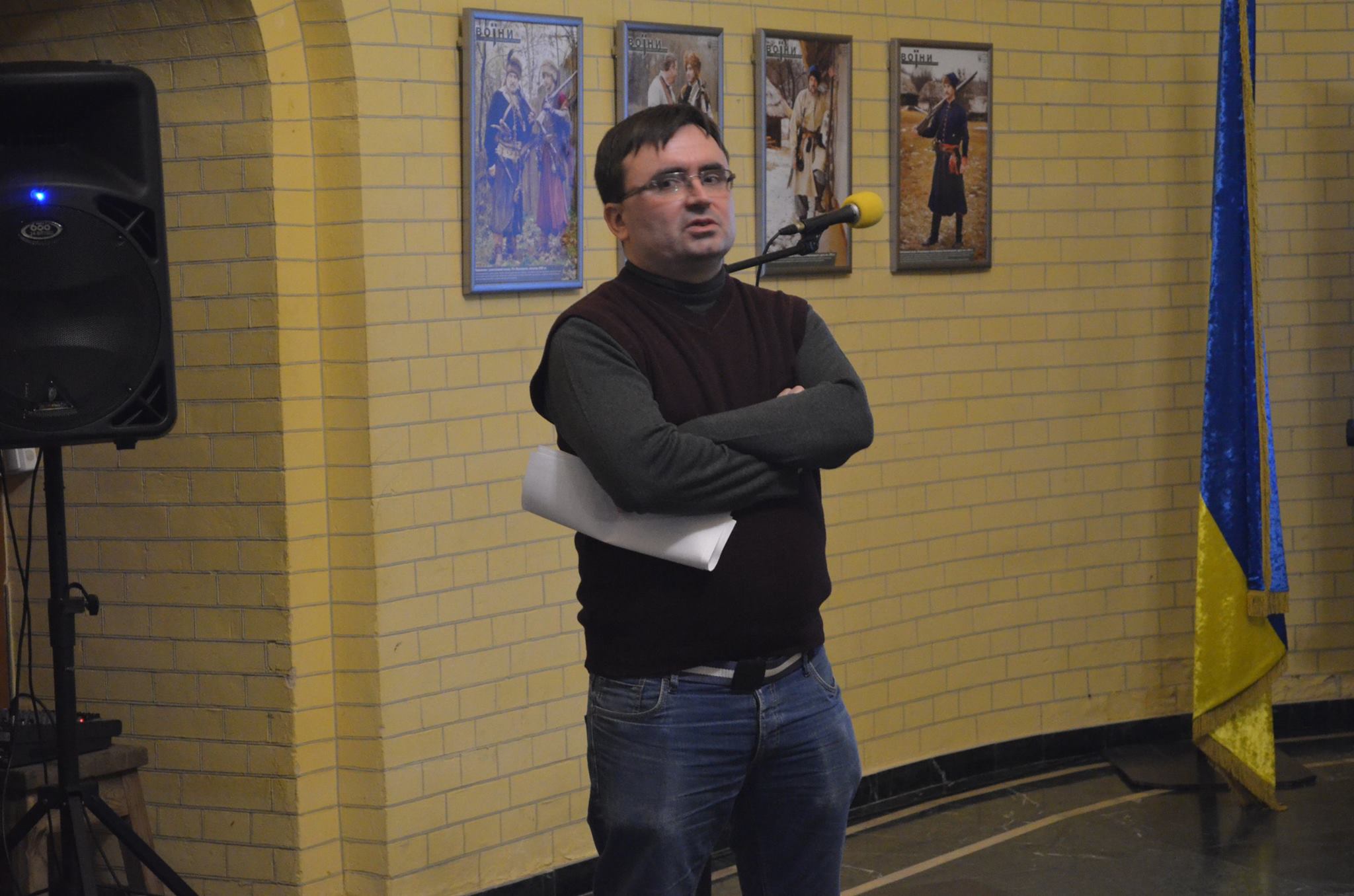
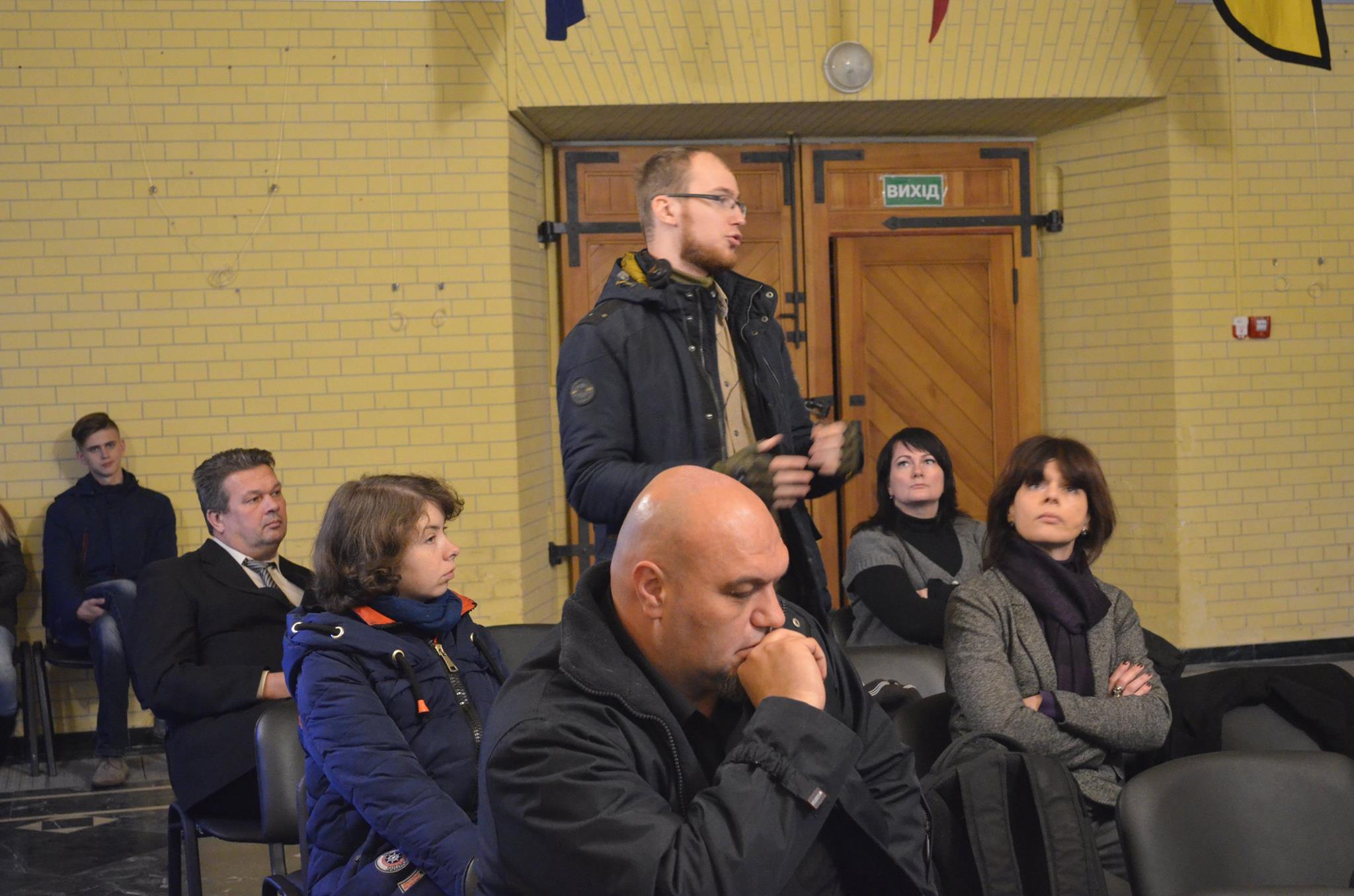
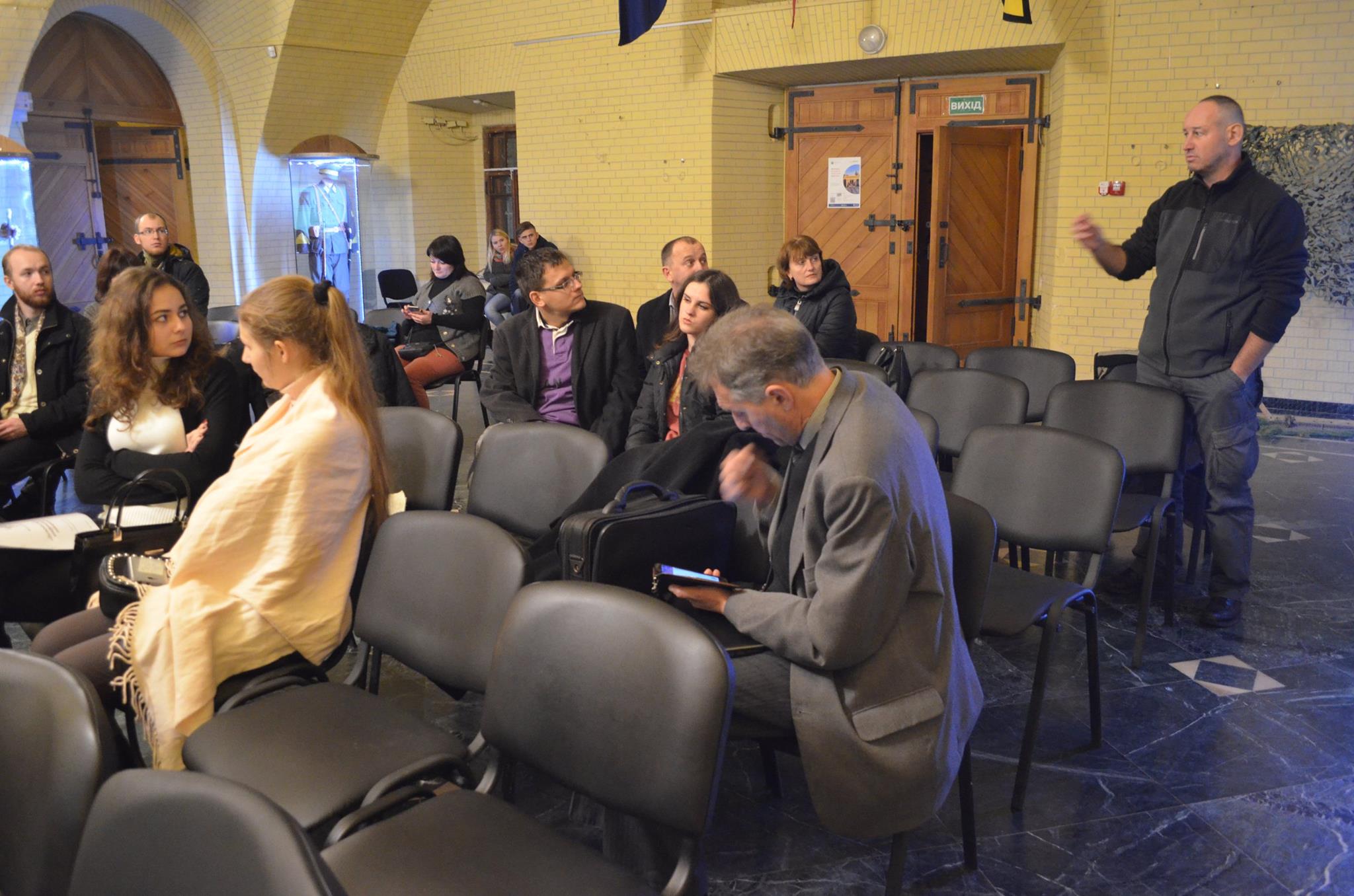
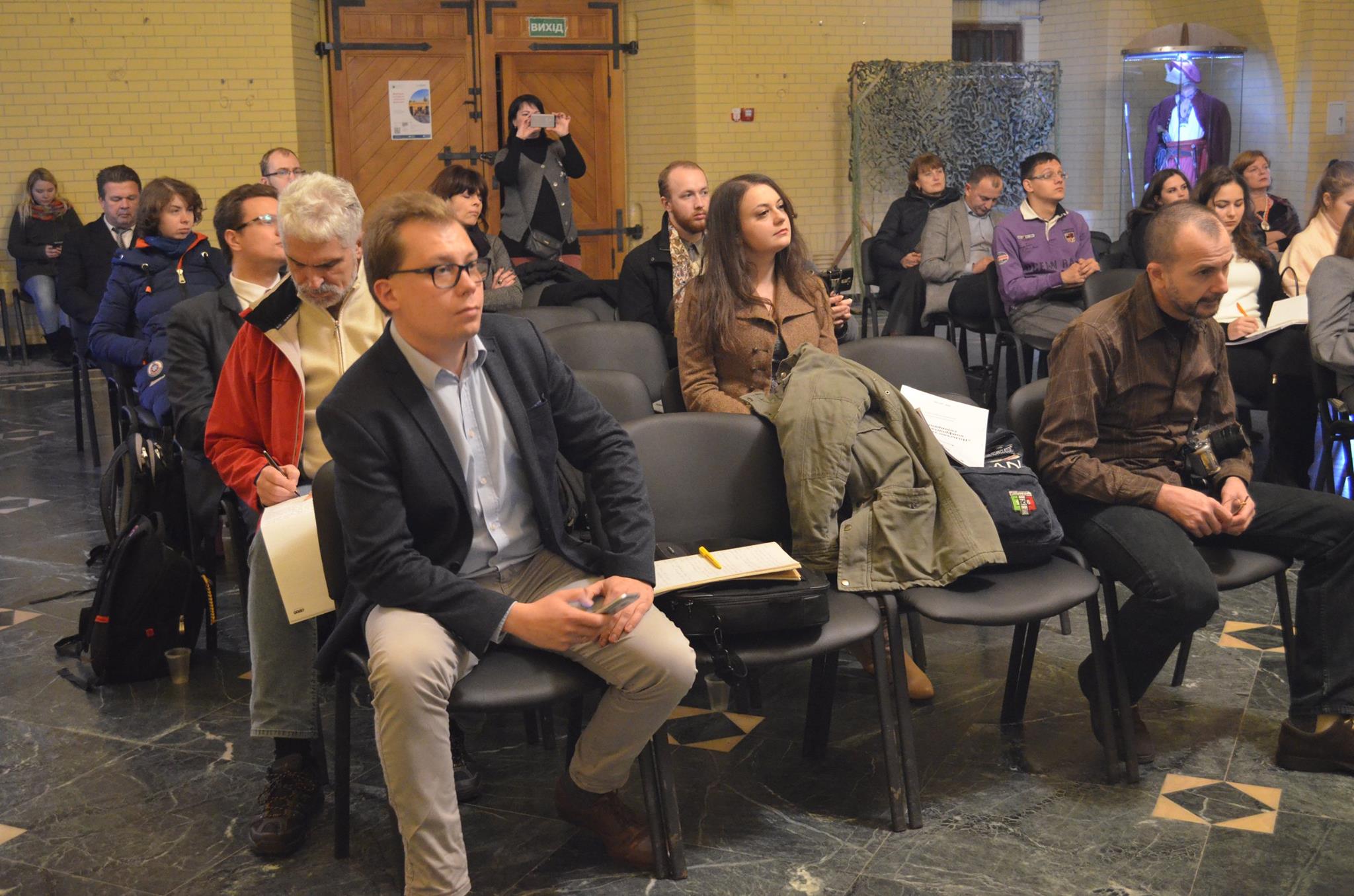
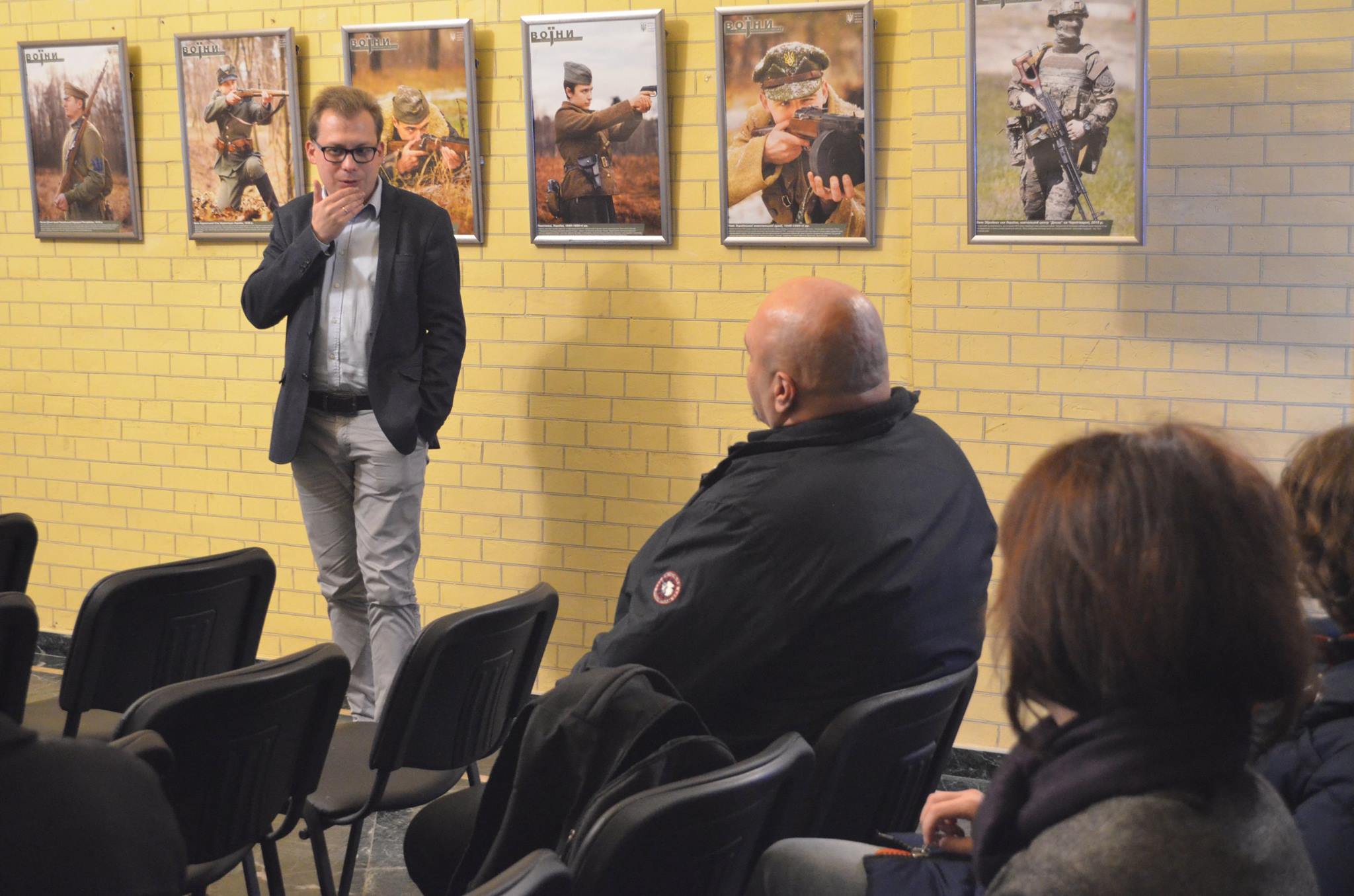
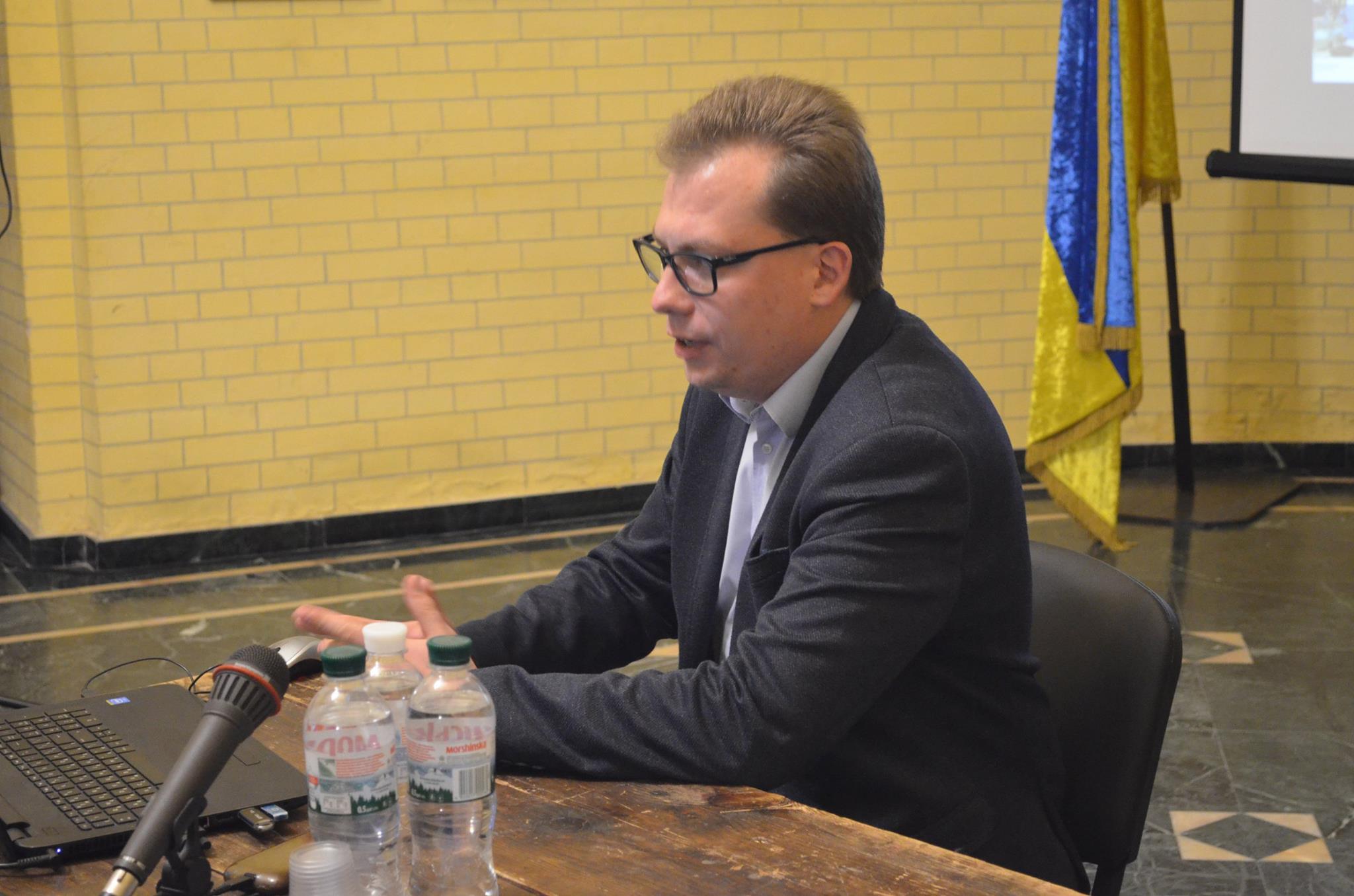
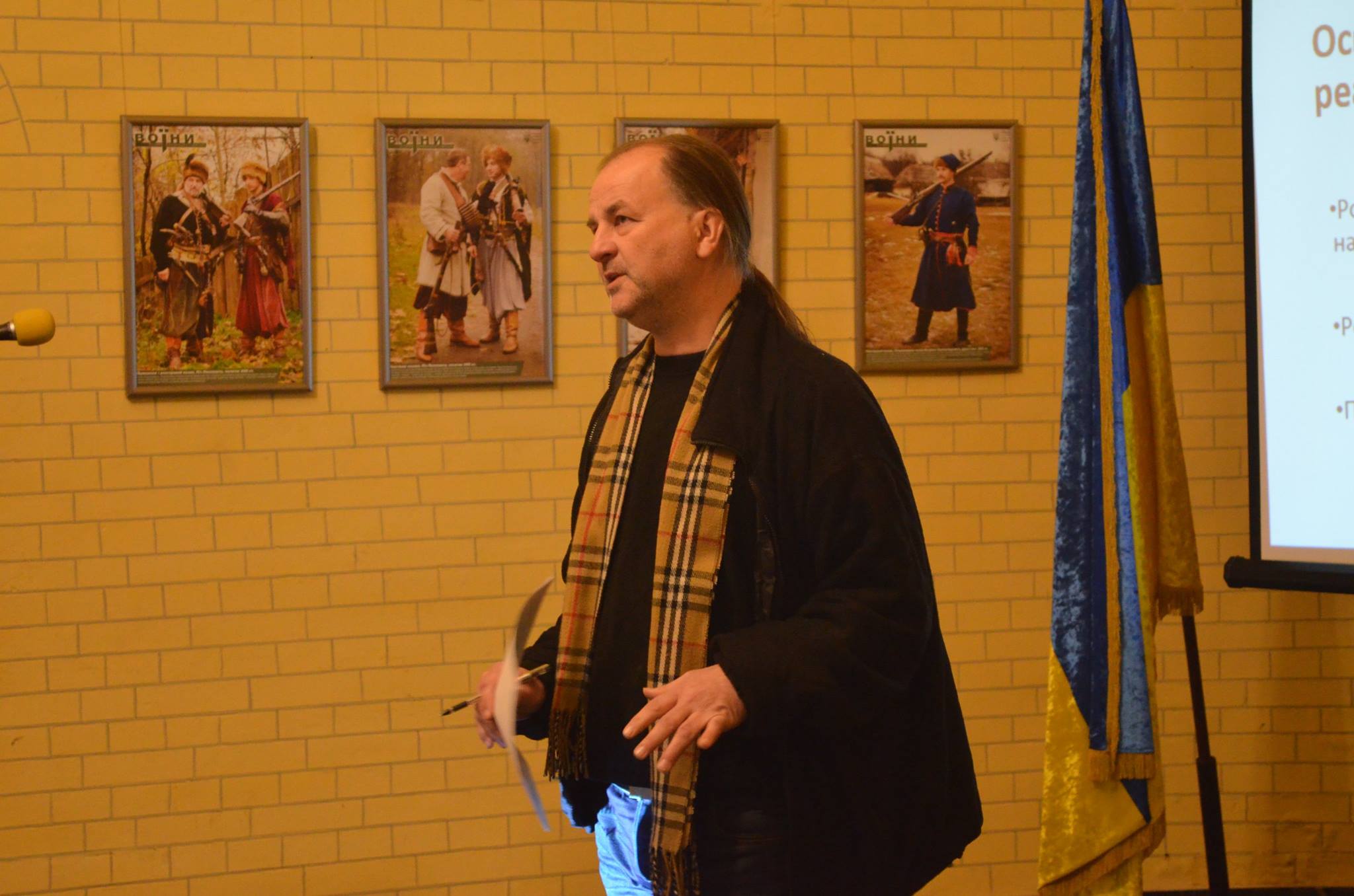
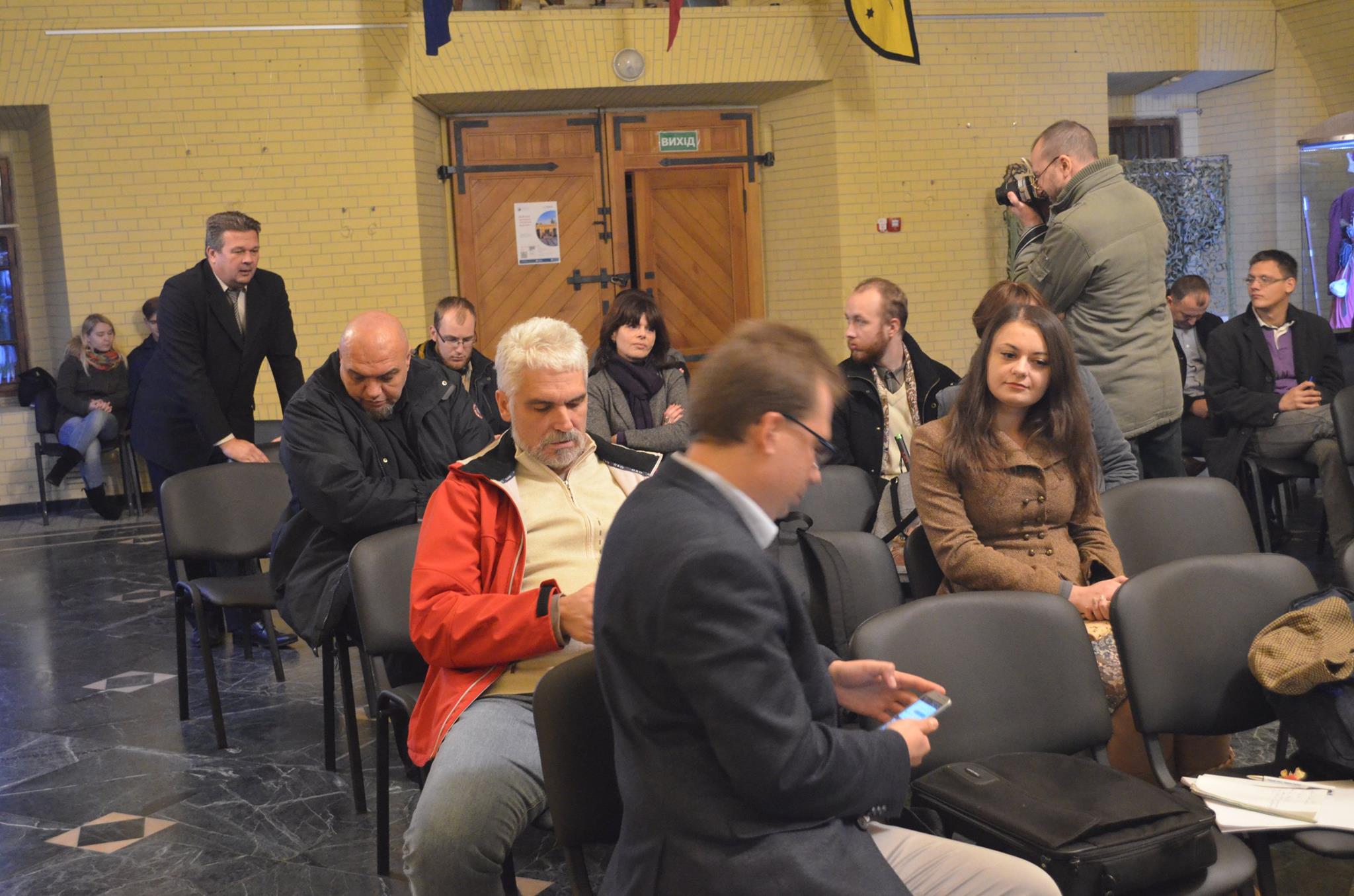
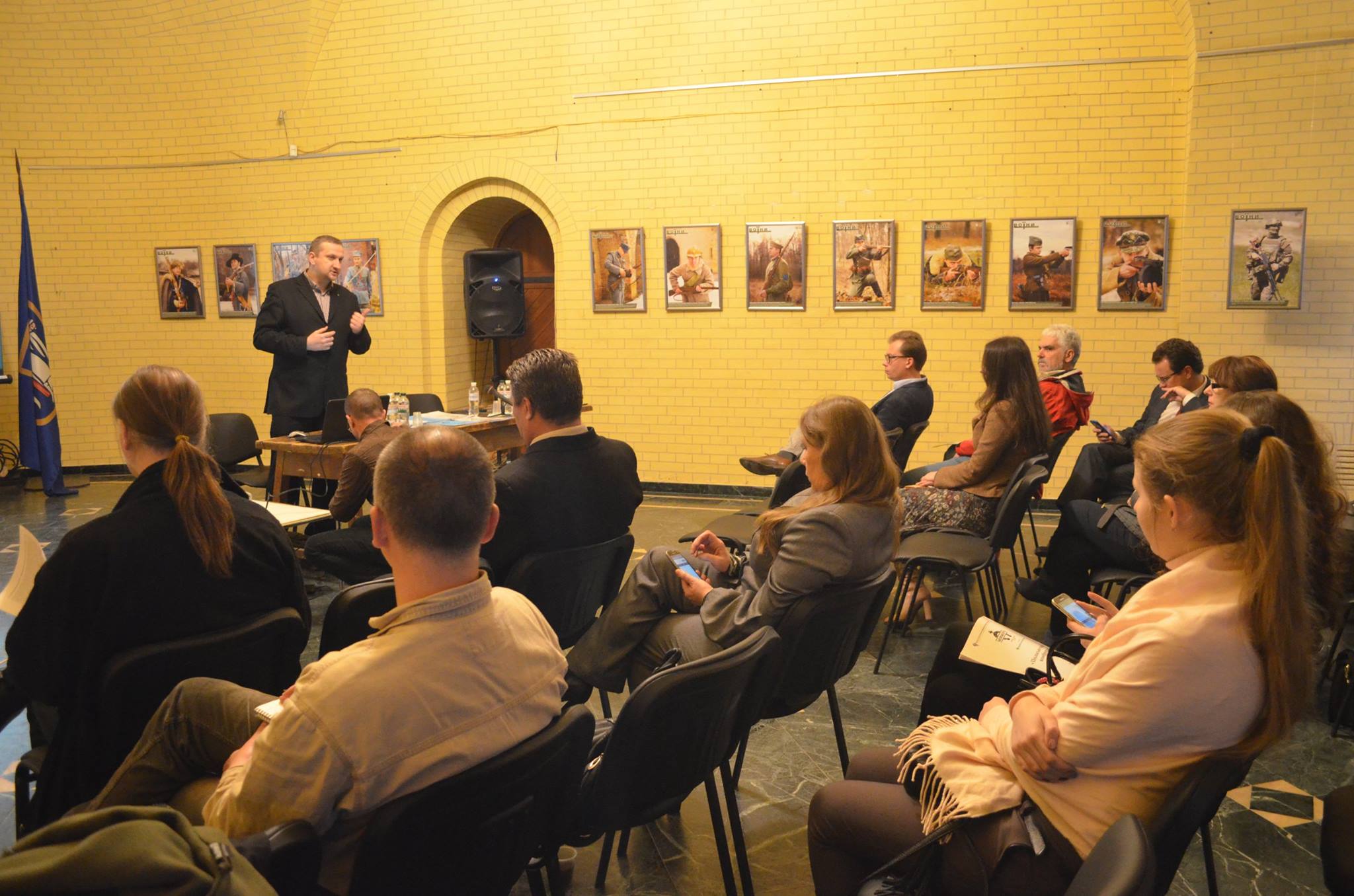
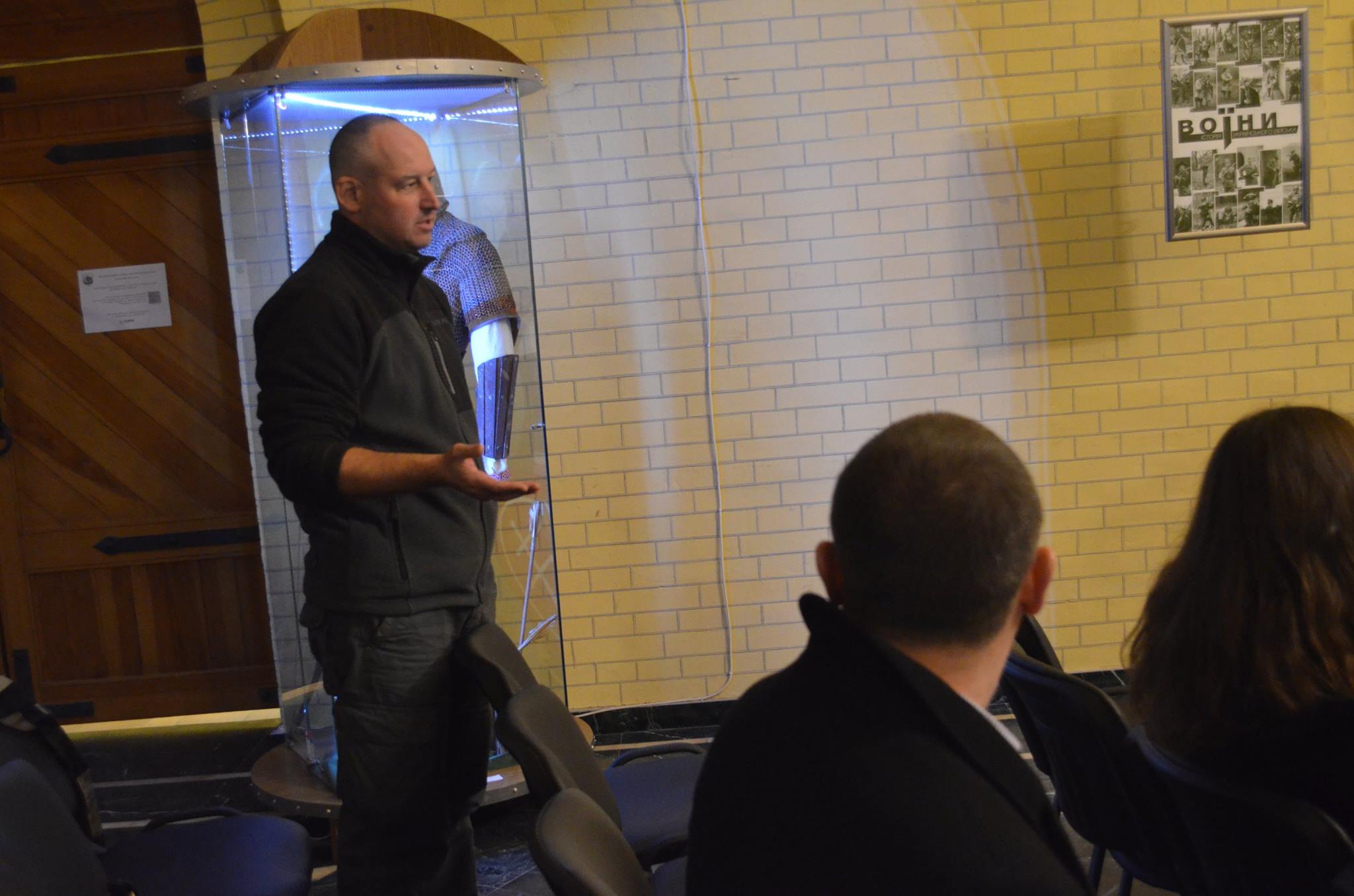

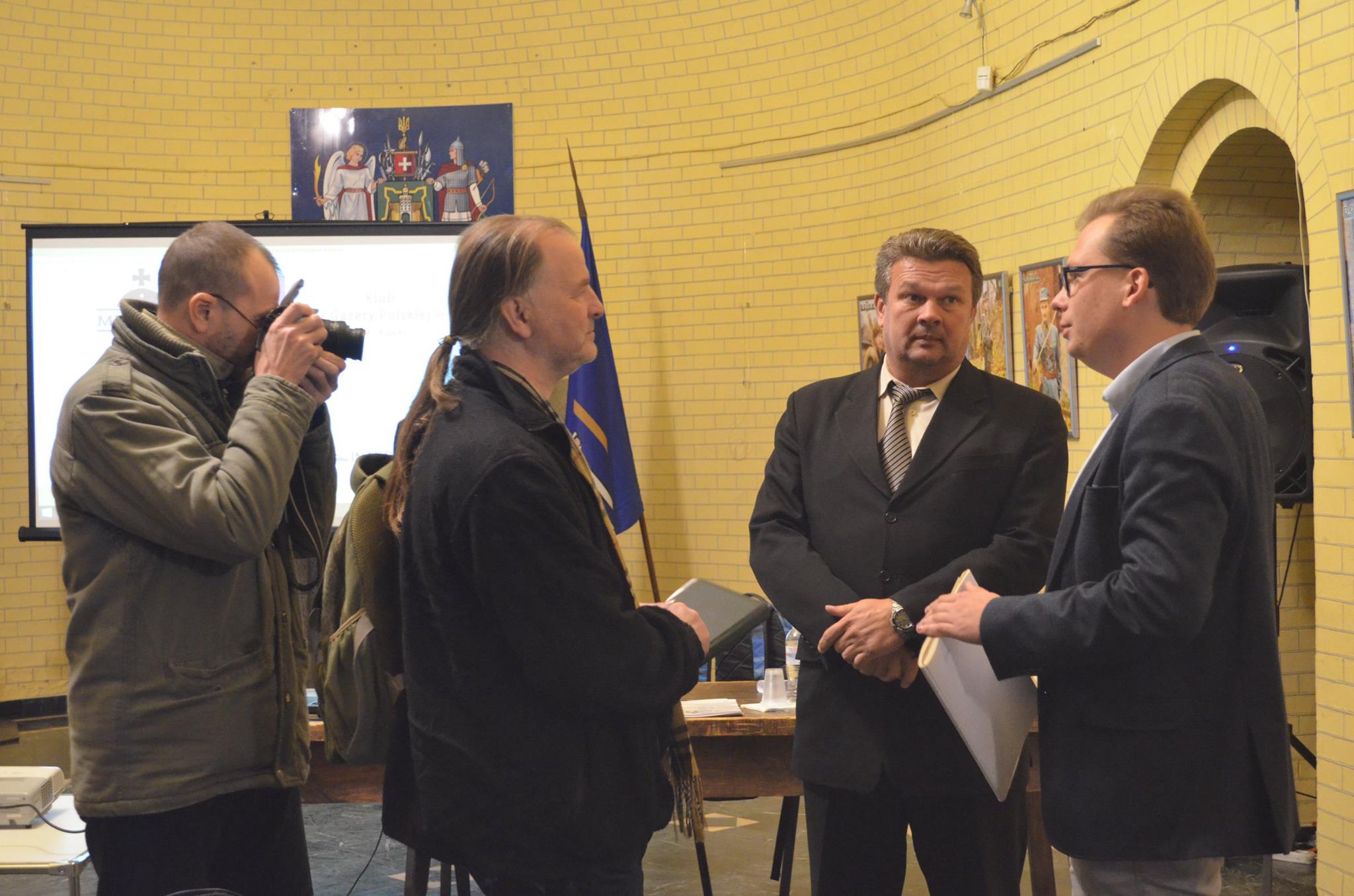
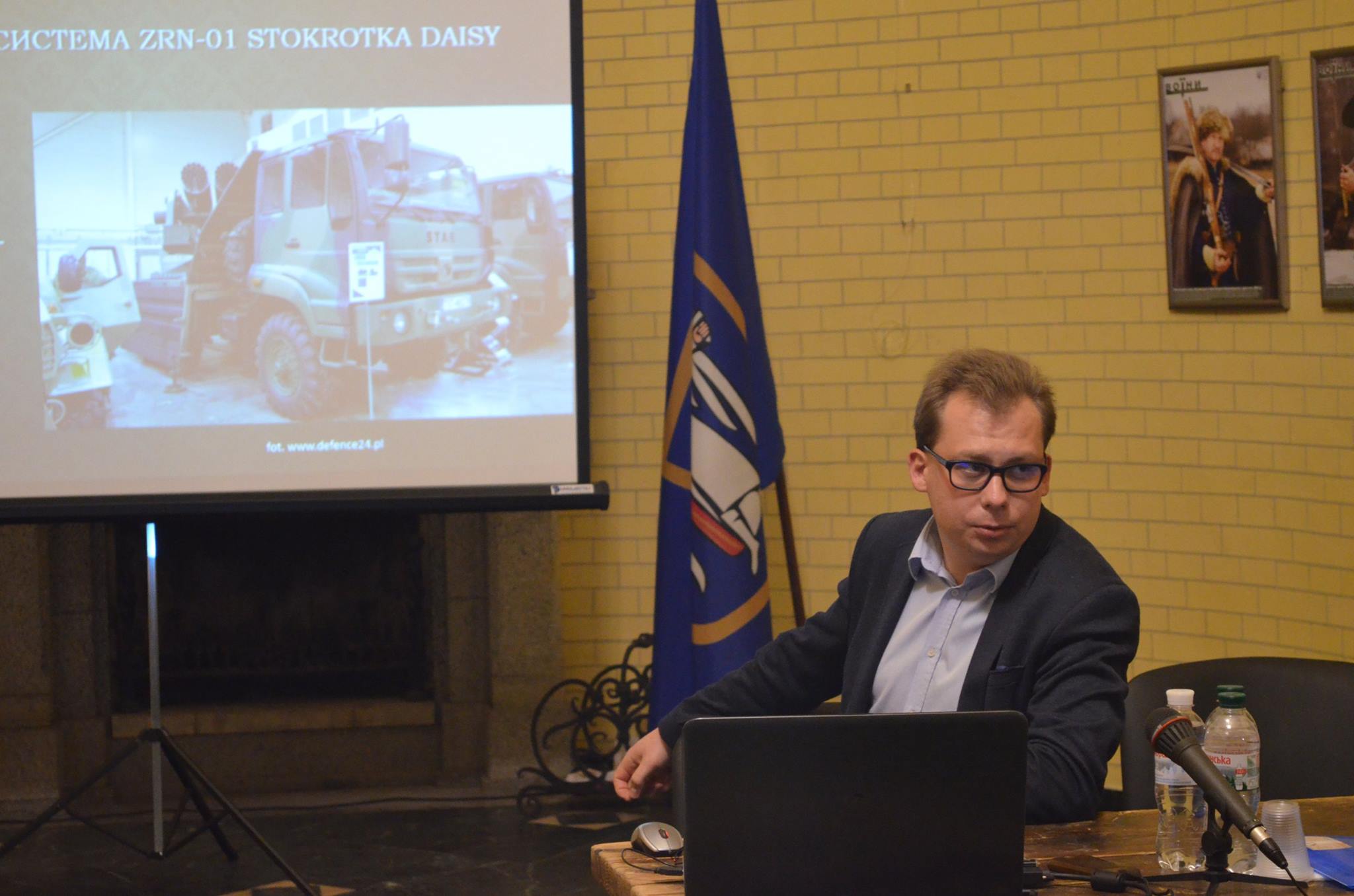
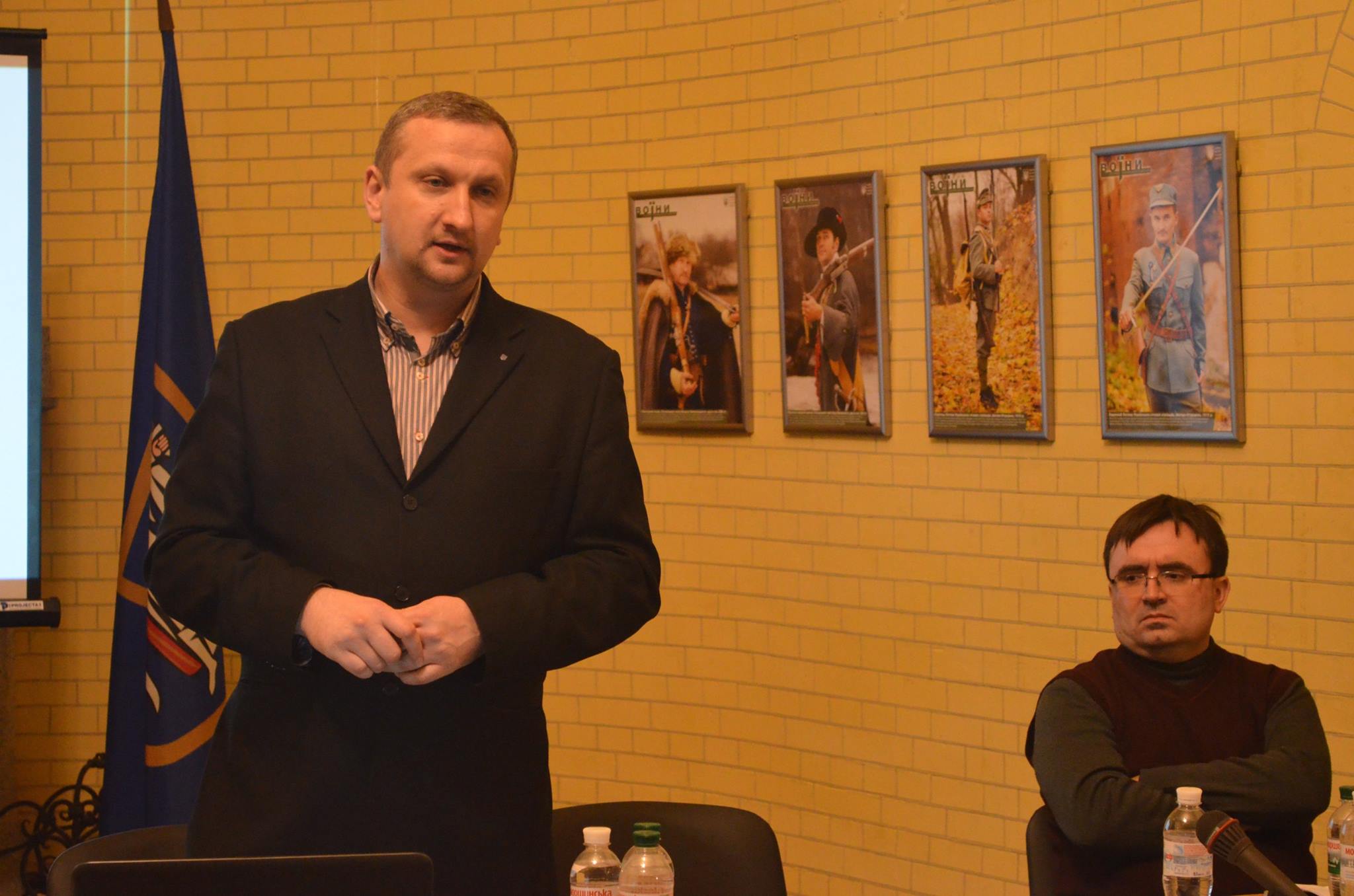
The first report, entitled “How to adequately respond to challenges in Polish-Ukrainian relations?” was made by Yuriy Goncharenko, an expert at the Intermarium Center. In particular, the report focused on the current state of Polish-Ukrainian relations, which the speaker characterized as pre-conflict. The main challenges in Polish-Ukrainian relations, in his opinion, are the following: different views on historical issues; a large number of Ukrainian labor migrants in Poland; the formation and protection of Ukrainian identity in the context of the war with Russia.
Speaking about historical issues, the speaker noted that “by this we mean the accusations of various Polish political forces, from the extreme right to representatives of the ruling Law and Justice party, regarding the “heroization” of national liberation organizations in Ukraine, mainly associated with the name of Stepan Bandera. This is also an accusation of the Ukrainian side exclusively in the tragic events in Volyn in 1943… The Ukrainian side has not yet made symmetrical accusations against the Polish side.” He also noted that the Polish side does not take into account the fact that “in 2014, the national state and the national idea of Ukrainians began to be born. Accordingly, Ukrainians are creating their own mythology, which should apply to all citizens of Ukraine, their own symbols and their own view of historical events. The flip side of this process is a painful reaction to any reproaches, advice, or demands from outsiders, even friendly nations, in these matters.”
Yuriy Goncharenko paid great attention to the opening of the Memorial Complex to the Fallen Sich Soldiers of Carpathian Ukraine on October 15, during which monuments were unveiled with the participation of Ukrainian officials, which mentioned the “Polish occupiers.” According to the expert, this is the first symmetrical response of the Ukrainian side to Polish provocations in the historical plane, which should demonstrate to Polish colleagues that there is a limit after which Ukrainians will not tolerate instructions “which of the historical figures should be ‘loved’ and which should be condemned” and that Ukrainians can also make similar accusations, for example, about the figure of Pilsudski.
Speaking about possible scenarios for the development of Polish-Ukrainian relations, the speaker named “Friendship in the Name of Victory” as the most desirable. In order to achieve it, according to the experts of the IC Intermarium, the following steps should be taken:
- Consensus of the Polish and Ukrainian authorities (Polish and Ukrainian elites) on the taboo on public discussion of all historical issues by politicians, statesmen and officials (all of them, because attempts, for example, by the Polish side to unofficially insist that Petliura is an acceptable historical figure will also cause a backlash in the form of a reminder that, for example, Pilsudski betrayed the UPR);
- In order to neutralize the existing negative historical background in Polish-Ukrainian relations, it is necessary to develop and implement joint projects that would give a different perspective on the events that have already been the subject of controversy (for example, a new joint film about Volyn, etc.);
- Active joint work of Polish and Ukrainian counterintelligence to detect and neutralize Russian agents, exchange of intelligence;
- Development of border and cross-border cooperation, for example;
- Implementation of joint economic and infrastructure projects;
- Deepening cooperation in the military sphere.
The next speaker, a journalist and chairman of the Gazeta Polska Club in Kyiv, Yuriy Rudnytsky, spoke about the “ethical and moral foundations of Ukrainian-Polish dialogue on “difficult” topics. According to the speaker, the “Volyn theme” would probably never have been raised in its current form if a series of joint resolutions and statements at the highest level in the 1990s and early 2000s had been followed by joint systematic, planned actions approved at the same highest level to establish a humanitarian dialogue, to popularize knowledge about Ukraine and Poland, including those related to the conflict pages.” When considering any issues in this context, we must not forget “about a human being and his or her life and dignity as the highest value… It must be accepted as a given: neither Poles nor Ukrainians (especially as a people at war, unlike other European nations) will abandon their history and traditions of fighting for the independence of their countries. And in the end, they shouldn’t have to.”
Yuriy Rudnytsky emphasized that “in the end, we need to give every citizen, from schoolchildren to adults, the opportunity to form their own independent opinion and assessment, comparing the visions of the Ukrainian-Polish conflicts of the twentieth century by both Ukrainian and Polish scholars, coming to understand the logic and motives of the actions of the participants in the conflict and forming a comprehensive vision of it on this basis.”
The next speaker, a guest from Poland, Michał Marek, a PhD student at the Department of International and Political Studies at the Jagiellonian University, spoke about specific projects of cooperation in the military sphere that are already being implemented and those that have already been approved and are being prepared for implementation. The second part of his report was devoted to the media content that has been present in Polish-Ukrainian relations in recent months. According to the Polish expert, one of the ways to overcome the contradictions in the relations between our countries is to “produce” events that can be presented in the media as examples of the positive aspects of our cooperation. In this context, it is important both to promote a positive agenda and to do everything possible to ensure that the media disseminate positive news.
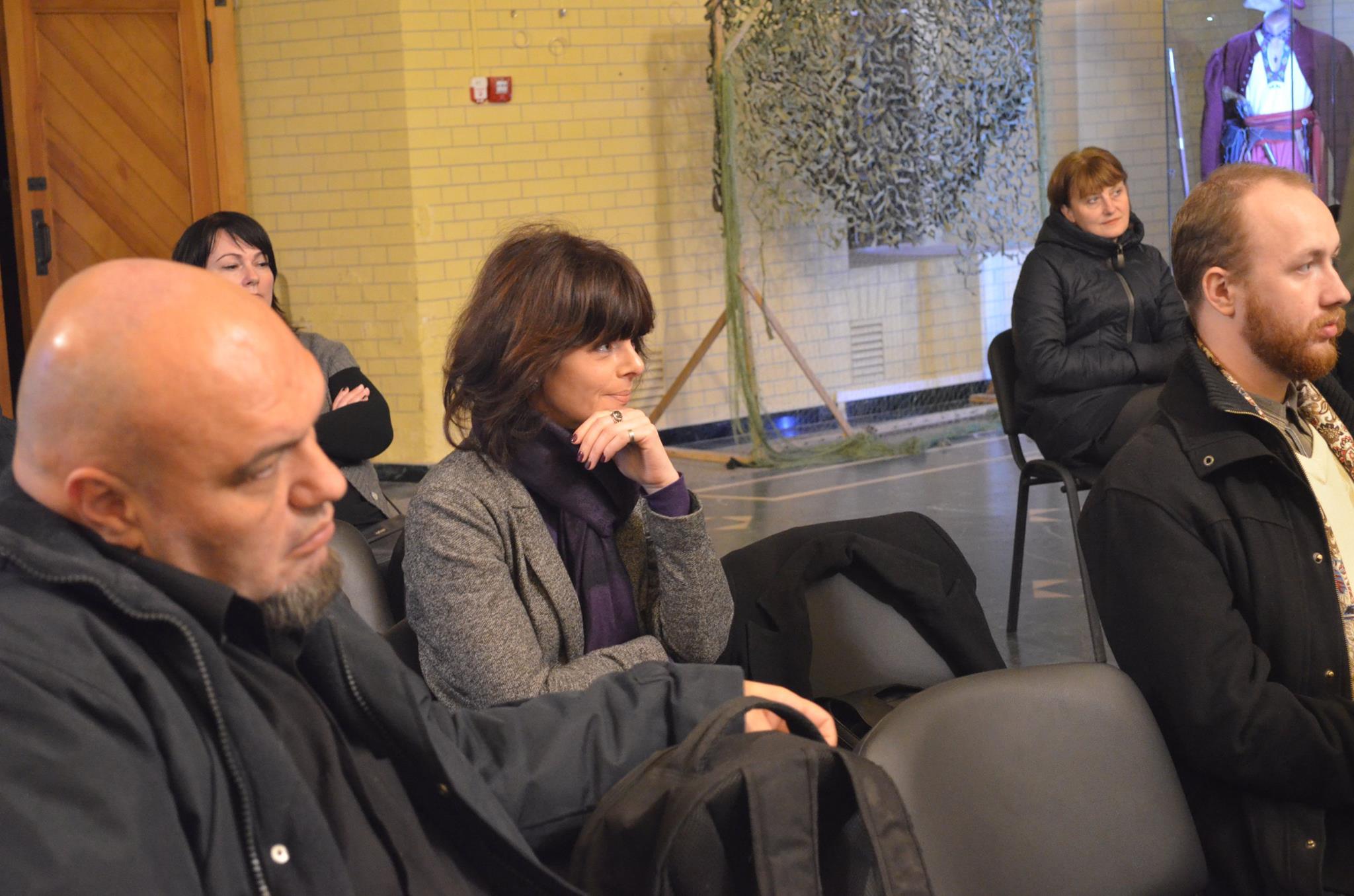
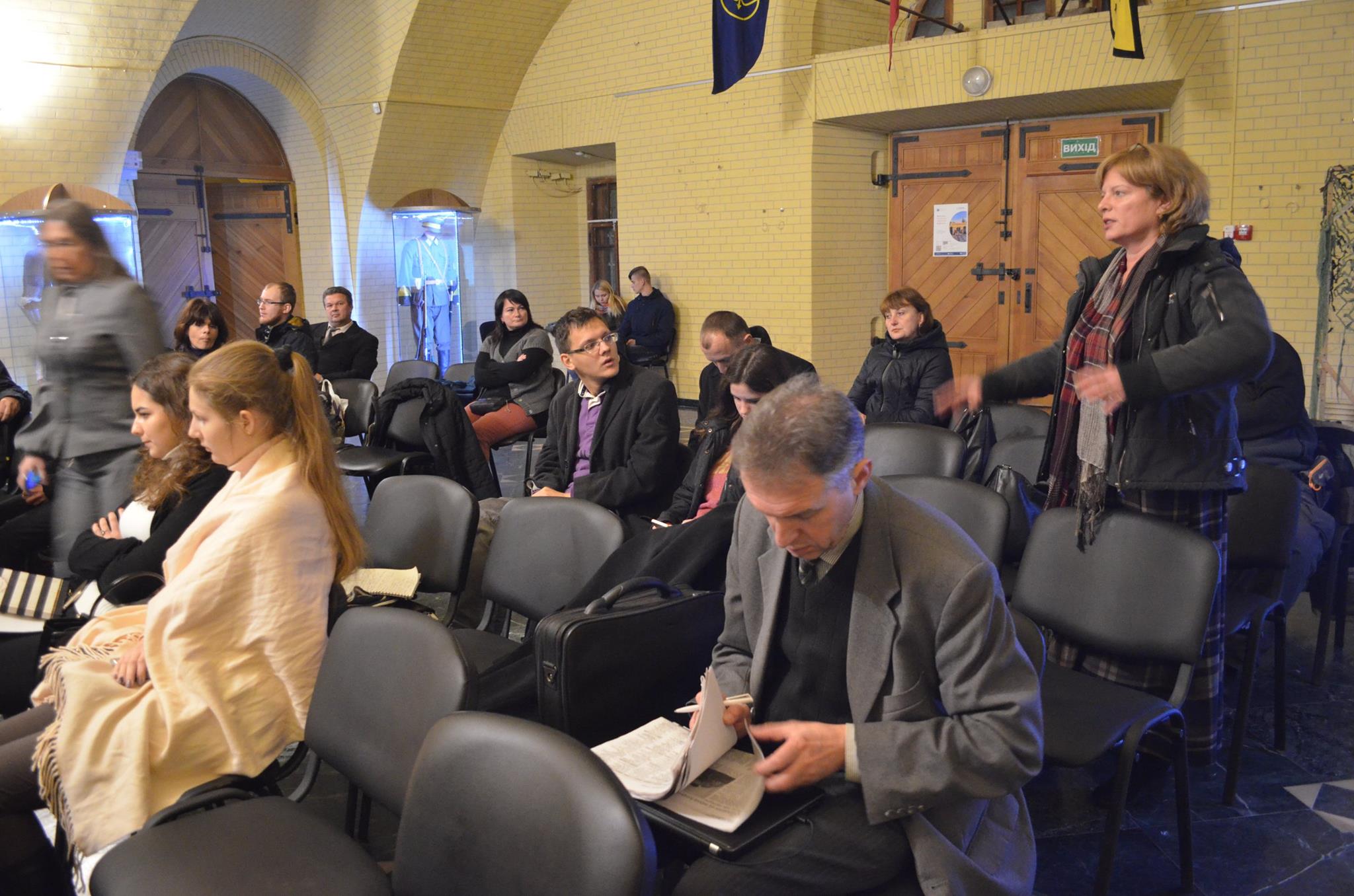
In the subsequent discussion of the reports, the guests of the event noted that there is currently no strategic vision of development in Polish-Ukrainian relations. Yuriy Mindyuk, moderator of the discussion and expert of the IC “Mizhmorya”, noted that it is much “easier” for the media to present a negative course of events, so supporters of positive scenarios should work on “tabloidizing” a positive agenda.
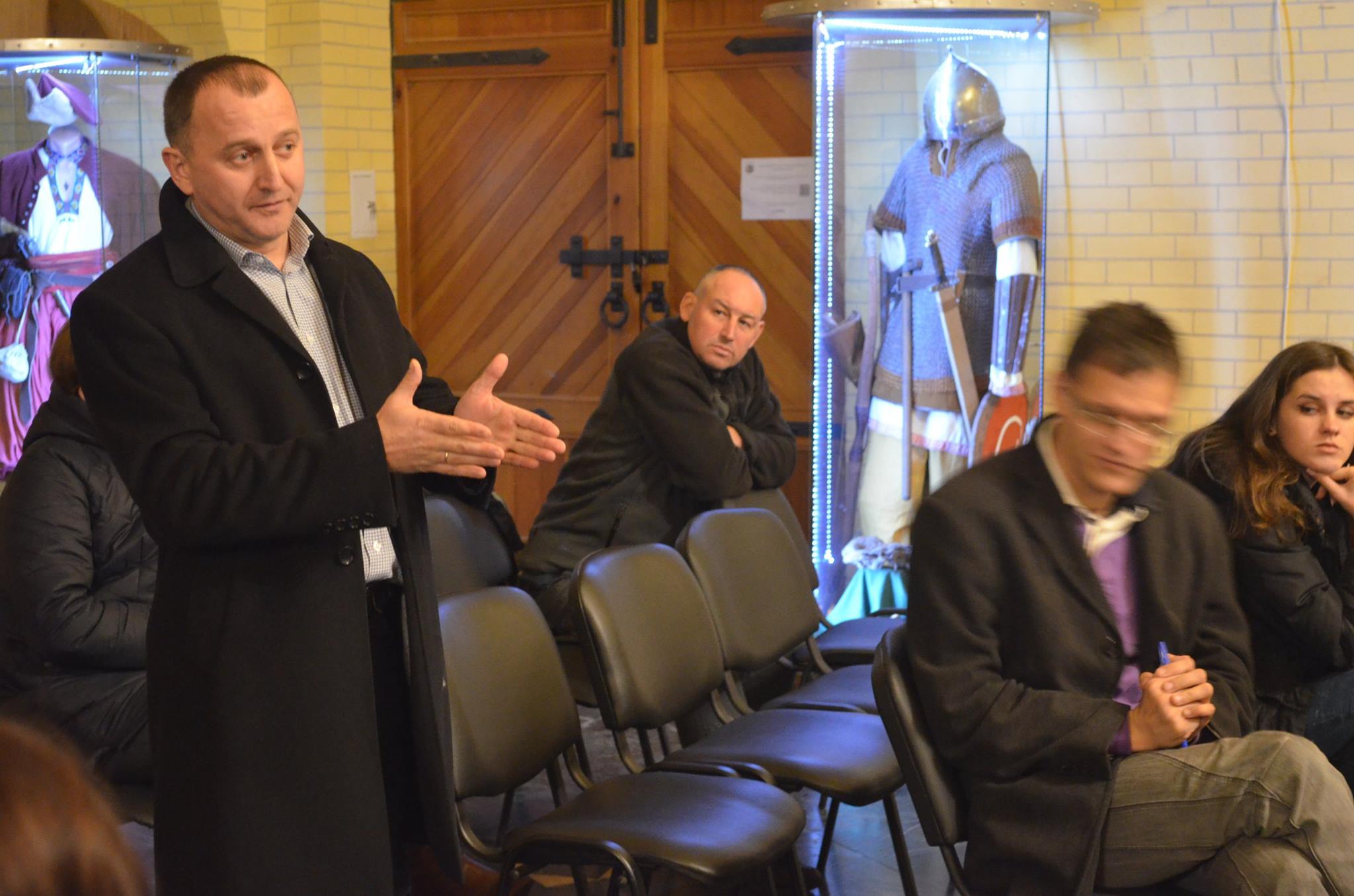
The head of the Svoboda faction in the Kyiv City Council, Yuriy Syrotyuk, who was among the guests of the event, addressed the Polish side of the discussion and noted that he and his party were among those who contributed to the creation of streets named after Stepan Bandera and John Paul II in Kyiv. But this does not prevent the city from also having a street named after Józef Piłsudski, as he understands that this is important for the Polish side. As a nationalist, one cannot turn a blind eye to him or refuse to talk about historical topics, but it is important not to turn it into a conflict, as it is now. This requires, among other things, a gradual mutual respect between Ukrainians and Poles as “nations that honor history.”
At the end of the event, Yuriy Mindyuk emphasized that the Intermarium Information Center plans to hold a thorough discussion of the issue of Ukrainian migrants in Poland, as he believes that this is the next pain point that Russia will put pressure on, provoking our conflict. Work will also continue on the development of specific projects for the practical implementation of the Intermarium concept.