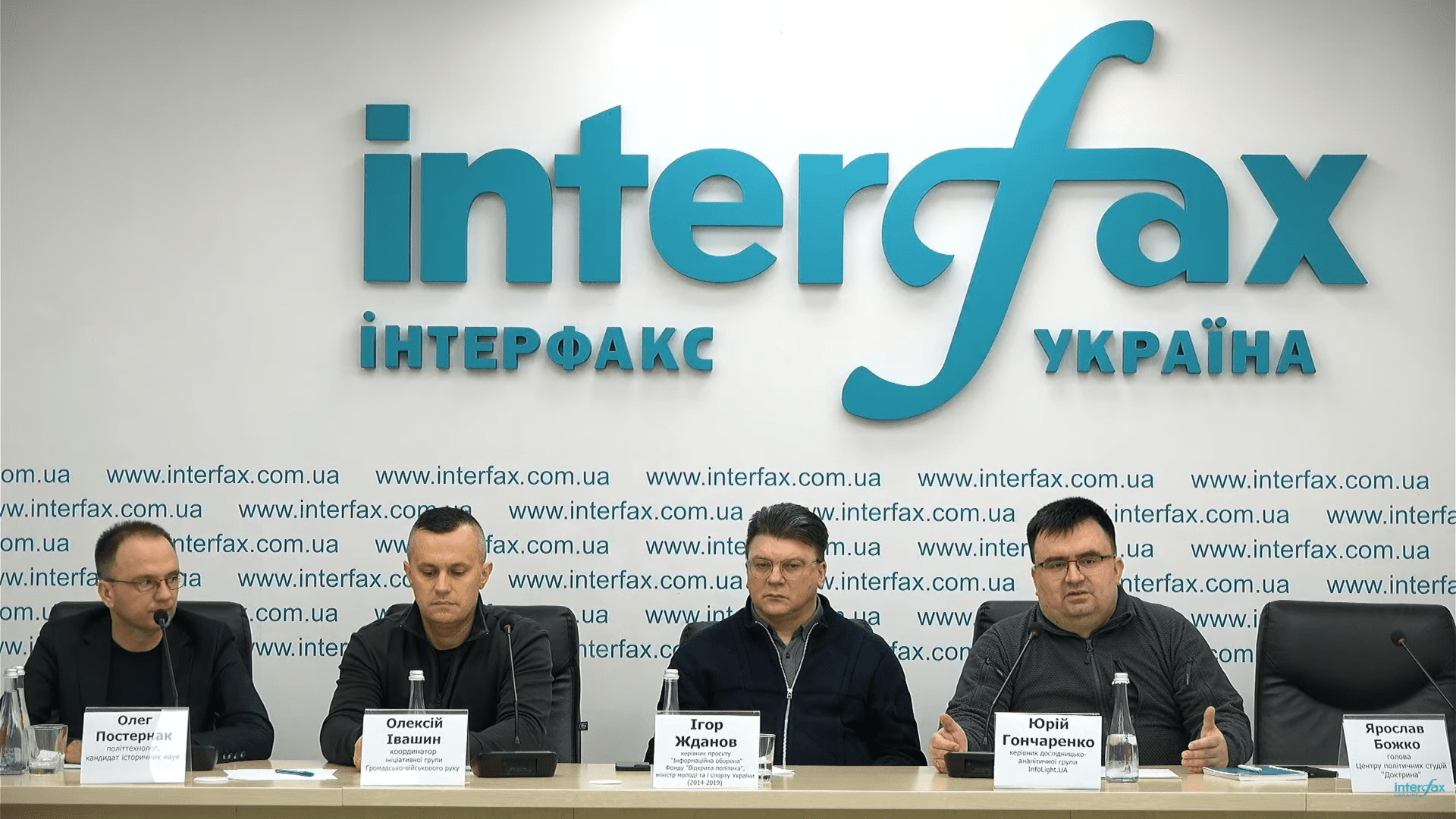
In order not to fall under the influence of fakes and disinformation, to professionally "read the news", isolating the really important from the information flow, cutting off manipulations and "jeans", daily practice is necessary, first of all, advises the initiative InfoLight.UA. For example, in this way, the initiative's volunteers were able to quickly refute the …
In order not to fall under the influence of fakes and disinformation, to professionally “read the news”, isolating the really important from the information flow, cutting off manipulations and “jeans”, daily practice is necessary, first of all, advises the initiative InfoLight.UA.
For example, in this way, the initiative’s volunteers were able to quickly refute the enemy’s disinformation about “two or three months of no electricity in Odesa region” and prevented panic from spreading.
You can get basic knowledge by watching a course of lectures on information hygiene and fact-checking. InfoLight.UA recommends its own, but says that others may well be useful. The main thing is practical skills.
It’s worth remembering that the “conventional war” is preceded by an information war!
Shock and awe is a military strategy based on the use of extreme power and impressive displays of force to paralyze the enemy’s perception of the battlefield and destroy their will to fight.
It was this strategy that was used by a coalition of democratic countries to repel Saddam Hussein’s aggression against Kuwait. And the Russian dictator Putin tried to use the same strategy during his full-scale invasion of Ukraine. In the first case, the strategy was successful; in the case of the attack on Ukraine, due to mistakes in intelligence and analysis of the Ukrainian information field, among other things, Russia’s “blitzkrieg” failed.
With the development of the Internet and social media, people have been exposed to a huge flow of free and often unverified information. At the same time, newsrooms are forced to cut their costs, so the amount of analytical materials or thoroughly verified news is shrinking. And not all media outlets are willing to openly name their sponsors or put an advertorial on paid-for materials.
The media can be monitored in two formats:
- 24/7 monitoring. In this format, specialists collect all content by specified keywords or brands, sort it by message tone, source credibility, and coverage, and provide it in the form of a regular report;
- Regular monitoring of publications on a given topic. It is necessary for preliminary analysis or to stay up to date.
If you think that this work is done by some special programs or tools, you are mistaken. In fact, this is the hard work of a large team of people who are able to track from brand or politician mentions on social media to regional newspapers and television.
Yes, many of the monitoring processes are automated today, but humans are still the key to this process. It is the human who fills in the monitoring sheets like this one:
Professional monitoring always provides a large amount of information. In order to systematize it and make a concise summary, all reports from monitoring teams are passed to analysts who summarize and draw brief conclusions in the form of references.
In practical terms, if you want to track, for example, the spread of hostile propaganda on social media in a particular region, you should monitor posts in all major groups and publics on a daily basis (preferably along with news sites), carefully noting all the main points and who is spreading them. Be sure to note the tone and pay attention to the number of shares and comments.
Then, after collecting at least a month’s worth of information, you will be able to see the trends that are taking place. The main speakers and disseminators. If you’re lucky, you’ll be able to see the connections between them right away.
Don’t expect it to be easy. You may have to read through up to a hundred different publics every day and the same number of posts in each of them. Carefully write out the content and mark the tone and other characteristics. This is difficult and time-consuming. But this is the only way to see what the enemy is carefully hiding from us.
Why analyze the information field in times of war
- We analyze the enemy’s actions and their impact on Ukrainians.
- We analyze the effectiveness of Ukrainian special information operations.
- We identify enemy agents of influence.
- We find out the most effective propaganda tools.
- Detecting misinformation.
- We form an information strategy.
- “Hidden Diplomacy.
Source: News